

The UK Government announced a £219 million Low Carbon Fuels Fund (LCFF) to be launched in summer 2026 to boost green aviation. The initiative aims to support the production and widespread implementation of UK homegrown Sustainable Aviation Fuels (SAF) to cut emissions, increase the production of renewable sources, and back sustainability innovation in order to promote a greener aviation industry.
The Low Carbon Fuels Fund
The UK Government’s Department for Transport announced, on June 16, that £93 million has been made available as part of £219 million investment into sustainable aviation. The bidding will open mid-July and be available for pioneering UK companies who aim to develop and scale up sustainable aviation fuel production. The scheme will prioritise applications from projects closest to the stage of production. This builds on £198 million already invested through the Advanced Fuel Fund (AFF) since 2022 for cleaner aviation technologies.
Keir Mather, the minister for aviation, maritime and decarbonisation, commented:
“This £219 million is the next chapter in Britain’s green aviation revolution. We’re backing brilliant British innovation, creating thousands of high-skilled jobs and making sure the UK leads the world in the fuels that will power the future of flight. This kind of investment is exactly how we kickstart economic growth, open up exciting new opportunities for young people and make our holidays greener and cleaner.”
The LCFF is set to position the UK as a global hub for low carbon fuels and greener aviation, and will reportedly support 15,000 jobs in the sector, and add £5 billion to economy by 2050. The fund is just one element that is part of a wider effort to reach carbon neutrality, and the initiative aims to promote the production and widespread implementation of SAF as a key priority. These alternative fossil jet fuels reduce greenhouse gas emissions by around 70% on average across their entire lifecycle, making them effective for maintaining demand and facilitating capacity growth of the aviation sector while centring sustainability and enabling the achievement of net zero targets.
Investment in Sustainable Aviation Fuels
The LCFF announcement highlights SAF as the future of aviation, emphasising that in addition to its environmental potential, a widespread scaling up of production and implementation of SAF could offer innovative and exciting opportunities in the industry. In particular, it could open doors for young people wanting to build careers in the sustainability field, offering a variety of roles like engineering, science, construction and manufacturing. The fund has the opportunity to support British businesses committed to developing and promoting green aviation.
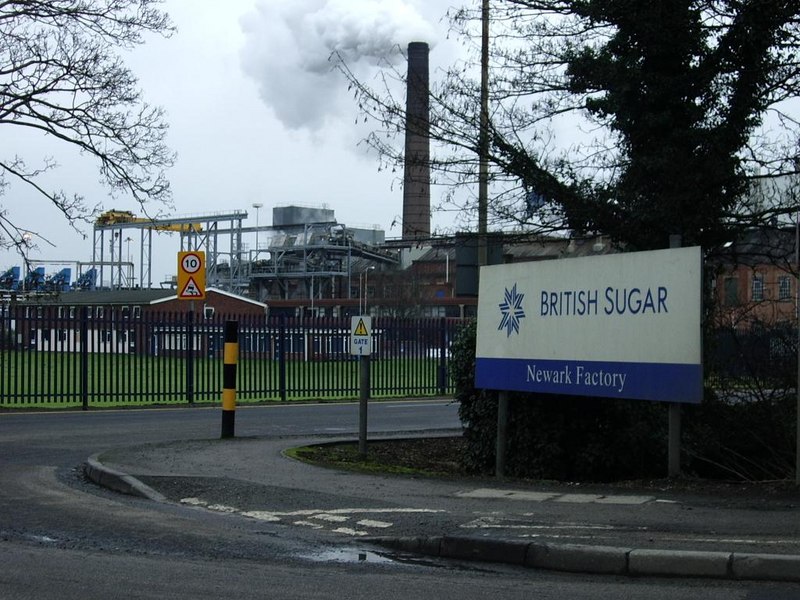
Keith Packer, the managing director of British Sugar, emphasised that the launch of the LCFF was a positive step towards sustainable air travel, and showed the government’s clear dedication to the evolution of homegrown sustainable fuel resources:
“At British Sugar, following a grant from the advanced fuels fund, the British BioJet project at our Wissington site is exploring the development of a sizeable demonstration plant. It will utilise our existing waste feedstocks with ethanol-to-jet technology to produce 1,500 tonnes of SAF– supporting the growth in cleaner, greener jobs and investment. We welcome this next phase of funding to develop SAF, and look forward to making an application so that we can continue supporting the government’s ambition for net-zero aviation.”
Alongside the new fund, the announcement launched a Call for Evidence on the SAF Mandate, which requires an increasing amount of jet fuel supplied in the UK to be sustainable. This will begin at 2% in 2025, increasing to 10% by 2030 and then 22% by 2040. Already it has been highlighted that Britain is seeing an encouraging growth in the supply of SAF.
Jennifer Holmgren, the chief executive of LanzaTech, a pioneering company that recycles carbon emissions into sustainable products, also commented on the announcement. Holmgren argued that the investment strengthens the UK’s position as a global leader in sustainable aviation fuel production, highlighting the support that the fund and the Call for Evidence will offer:
“It will help companies like LanzaTech turn waste into green jet fuel, creating skilled jobs and economic growth for example in Humberside, where we are developing a new SAF facility capable of supplying around 1% of the UK’s jet fuel demand. The call for evidence on future SAF targets is also an important step towards giving industry the long-term certainty needed to scale production and accelerate private investment today and beyond 2030.”
The Call for Evidence aims to examine current global supply projections and the different types of sustainable fuels available, evaluating how these will impact the SAF Mandate’s targets for the foreseeable future. It will operate as part of a collaborative approach to ensure the scheme responds to the developing market, while supporting all parts of industry to meet SAF targets, and measure the overall delivery of climate and environmental ambitions.
What do you think about the investment? Let us know in the comments.