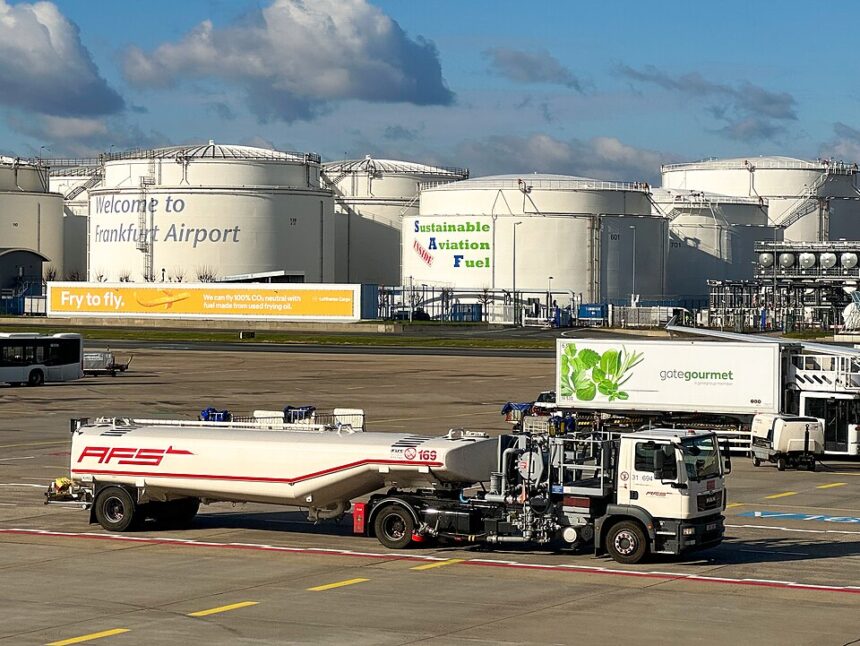
Sustainable Aviation Fuel (SAF) is a cleaner alternative to traditional jet fuel. It is made from renewable sources such as waste oils, agricultural residues, or captured carbon and can reduce carbon emissions by up to 80%, according to the International Air Transport Association (IATA).
What Is Sustainable Aviation Fuel, and Why Are Airlines Using It?
Sustainable Aviation Fuel (SAF) is a renewable, non-petroleum-based alternative to conventional jet fuel designed to reduce aviation emissions. Airlines are increasingly adopting SAF because it works with existing aircraft and engines, meaning no major redesign is required.
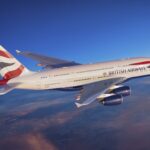
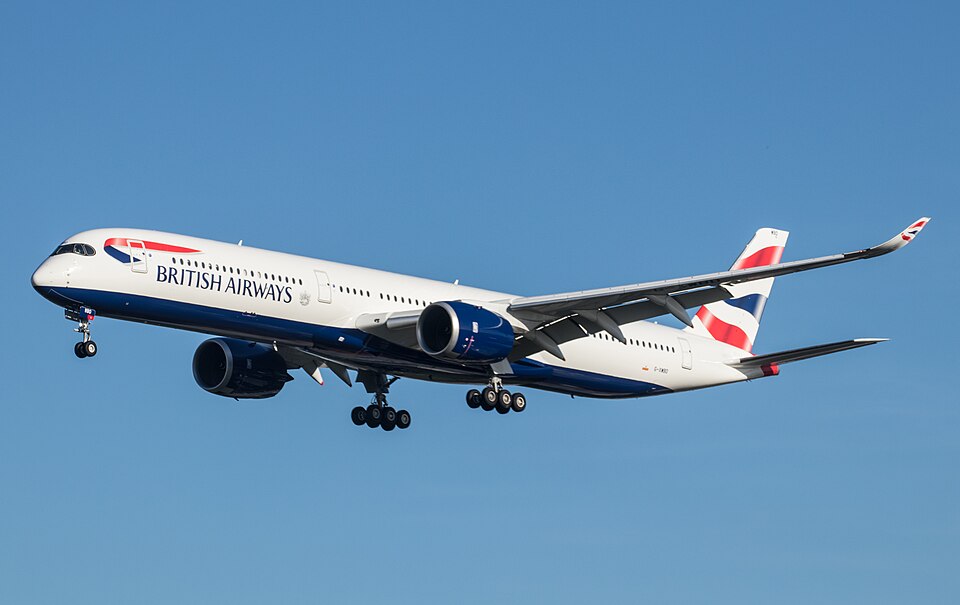
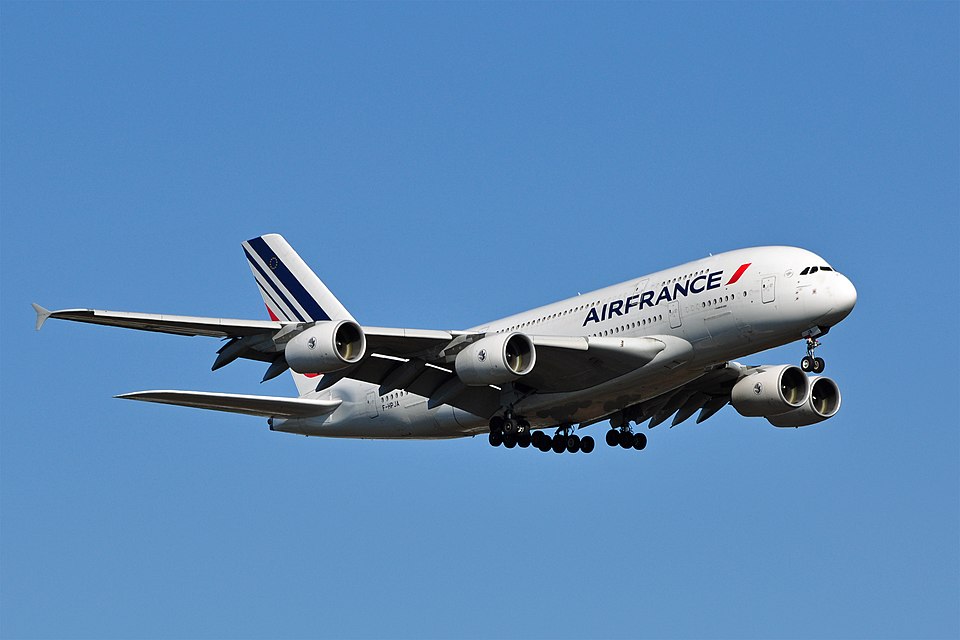
Many airlines, including British Airways, Air France, Lufthansa, Ryanair, Virgin Atlantic, and FedEx Express, are signing long-term SAF supply agreements. Governments are also introducing mandates, with Europe aiming to significantly increase SAF usage by 2030 and beyond to accelerate adoption across the aviation industry.
SAF use is expected to rise to 2-6% globally due to these mandates. Leading aircraft manufacturers, including Airbus, Boeing, and Embraer, are committed to making commercial aircraft and engines 100% compatible with SAF by 2030. As a result, more airlines are likely to adopt SAF, as it is currently the quickest and most practical way to reduce emissions.
Challenges of Integrating Sustainable Aviation Fuel
Despite its potential, SAF faces significant challenges in scaling up. Production costs remain high, often two to three times more expensive than conventional jet fuel. In addition, sustainable feedstock sources, such as waste oils and animal fats, are limited, making it difficult to meet global demand without competing with other industries. According to the Institute for Energy Economics and Financial Analysis, consistent and supportive policy frameworks across regions are essential to drive investment and ensure long-term demand.
Despite these challenges, more airlines are adopting SAF to support the aviation industry’s goal of achieving net-zero emissions by 2050. In 2024, two pilot schemes demonstrated how SAF can be integrated into airline operations. Airbus partnered with easyJet on the Toulouse-Bristol route, funding 106 tonnes of SAF to support flights using a 30% SAF blend over three months. The trial aimed to show how costs can be shared to boost both supply and demand.