
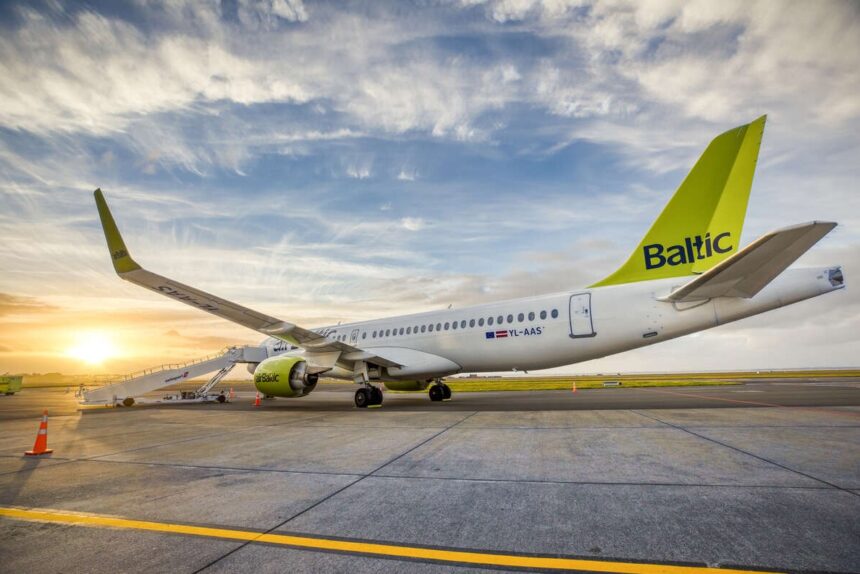
The Latvian airline, airBaltic, has received its third aircraft delivery of 2026, welcoming a new Airbus A220-300 to its fleet. This jet joins more than fifty other aircraft currently operating under the airline, strengthening the all Airbus A220-300 fleet as part of a broader growth strategy being undertaken by the airline. Currently, the aircraft is stationed in Latvia’s capital, Riga.
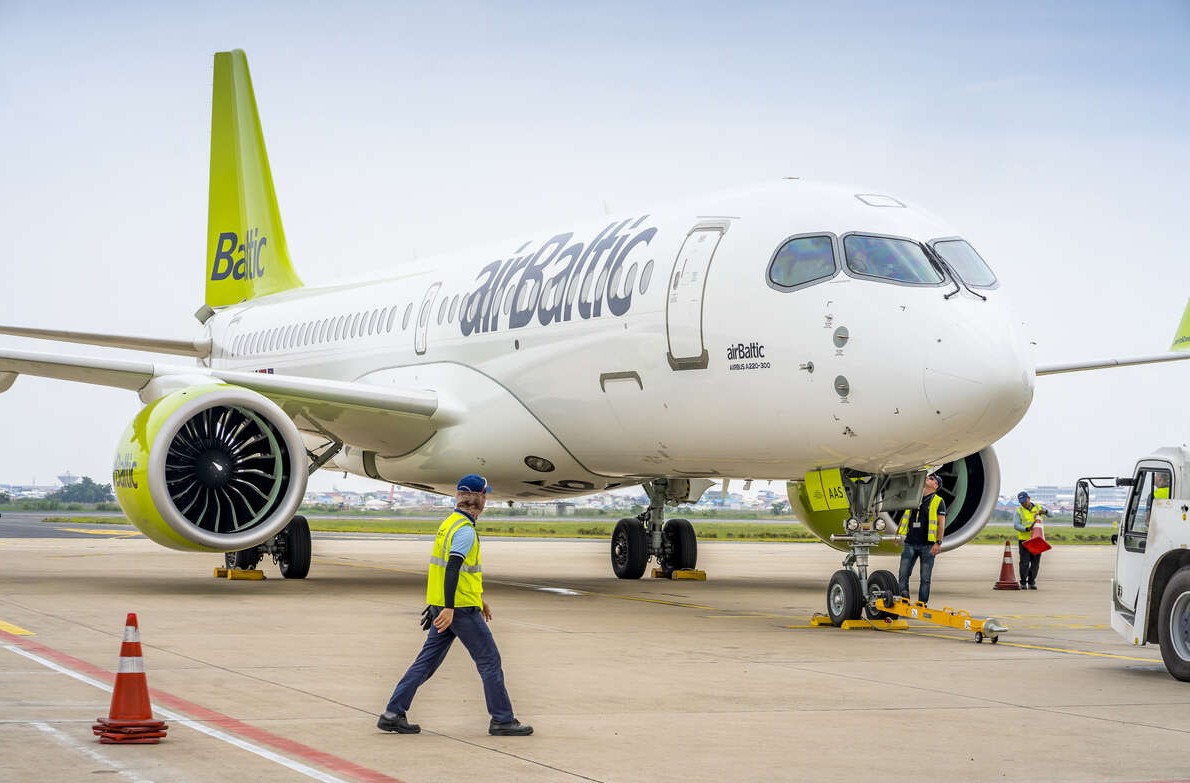
Ambitious Comforts and Innovation of the A220-300
The newly delivered A220-300 will accompany the current airBaltic fleet operating across the airline’s broad route network, while also performing under partners in other European markets under ACMI (Aircraft, Crew, Maintenance, Insurance) leasing services, which allows the airline to take a flexible approach to utilising its resources. This type of leasing provides airBaltic the ability to adjust its capacity based on seasonal demand, preventing any aircraft from sitting idle during less busy periods. As a result, airBaltic can make efficient use of its fleet throughout the year.
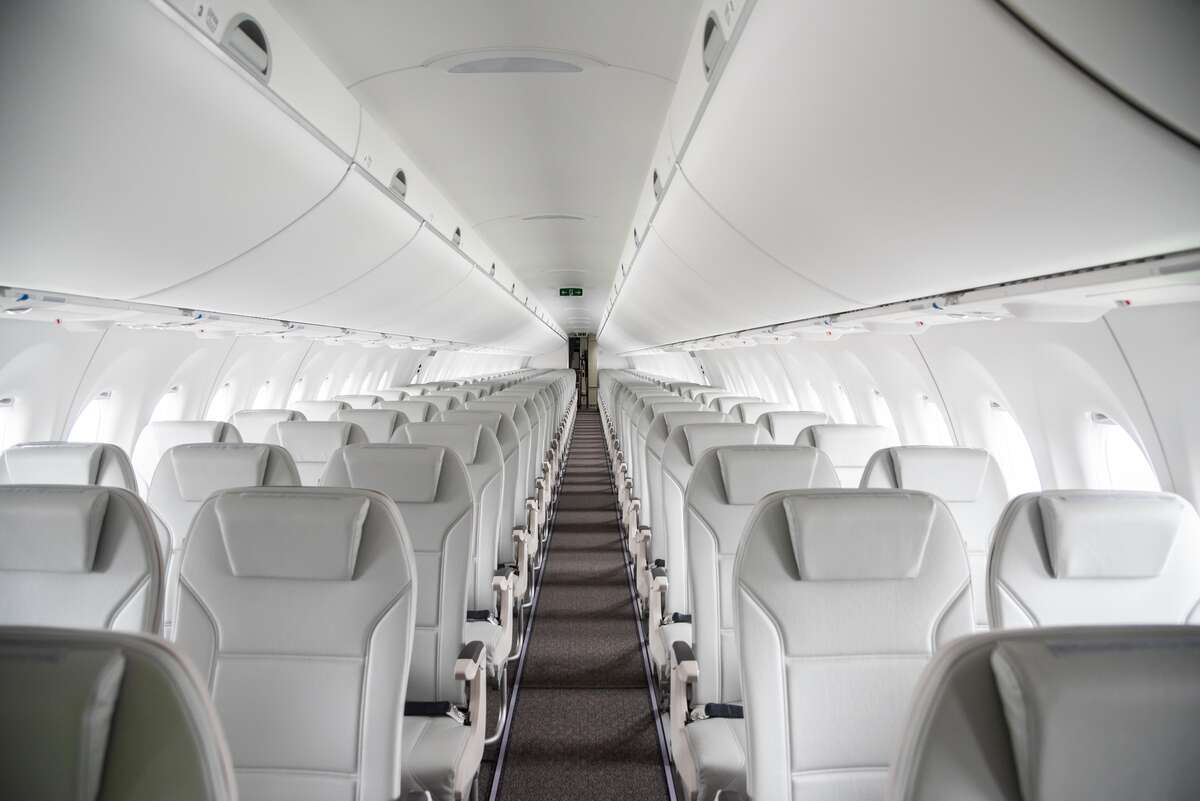
The aircraft boasts features to enhance passenger comfort, accessibility, and ease during their travels, including wider seats, larger windows, and increased overhead luggage storage. One of the new additions to the airBaltic’s Airbus A220-300 fleet is the high-speed Starlink onboard internet access, powered by SpaceX. Having introduced this innovative technology in 2025, airBaltic became the first European airline to offer the service. Although currently just over half of the fleet is equipped with the technology, the airline is continuing installations. This technology allows passengers to remain connected throughout their journey, for free.
The modern technology of the aircraft also allows for a significantly reduced noise level compared to previous generation models, as well as minimised CO2 and NOx emissions, which highlights the high efficiency and environmental performance of the aircraft model. Significantly for airBaltic, the additional Airbus A220-300 added to its fleet shows the airline’s dedication not only to the comfort of passengers, but to eco-conscious decision-making while expanding overall capacity.
A Broader Growth Strategy
The Airbus A220-300 aircraft was officially introduced to the airBaltic fleet in 2016. Since then, the airline has operated nearly 253,000 flights and carried approximately 24.2 million passengers in the Airbus A220-300, logging around 559,000 flight hours in total, according to airBaltic.
For the 30 years that the airline has been operational, airBaltic has built a reputation as a respected carrier, evolving routes and resources to meet expectation and demand, and this new aircraft addition is another step in this ongoing evolution. Having recently announced nine new routes for its 2026 summer season, airBaltic boasts over 80 destinations across more than 100 flight routes.
The expansion of the airline’s fleet with the arrival of the new Airbus A220-300, on top of this introduction of new seasonal routes, presents a significant development of capacity and scope for the airline. This is indicative of a wider growth strategy that aims to secure airBaltic as an essential provider of global connectivity and infrastructure for the Baltic and Caucasus regions.
Have you had a good experience aboard one of airBaltic’s A220-300 planes? Let us know in the comments!