The Lebanese Civil Aviation Authority (LCAA) has launched a safety audit of Middle East Airlines (MEA). The review was raised by international pilot groups over the safety of its flight operations amid regional conflict and how it handles safety reporting.
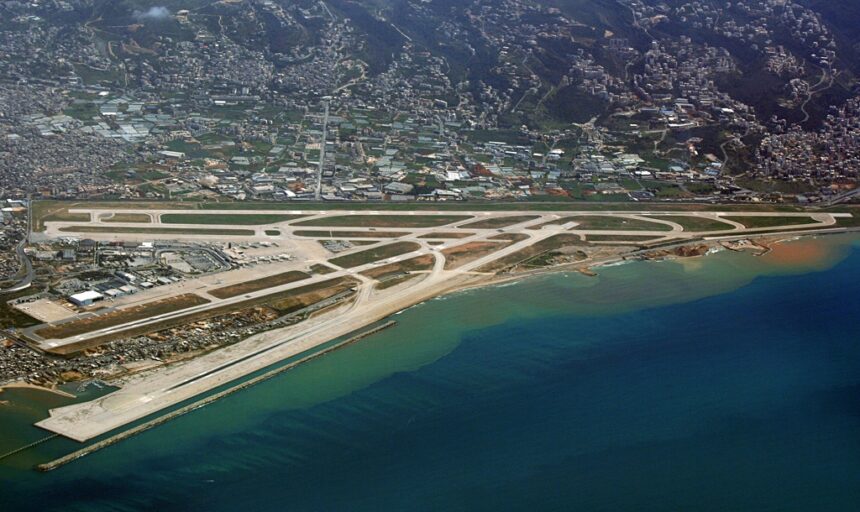
MEA continues to operate flights from Beirut despite ongoing regional security risks and rising military tensions in the area.
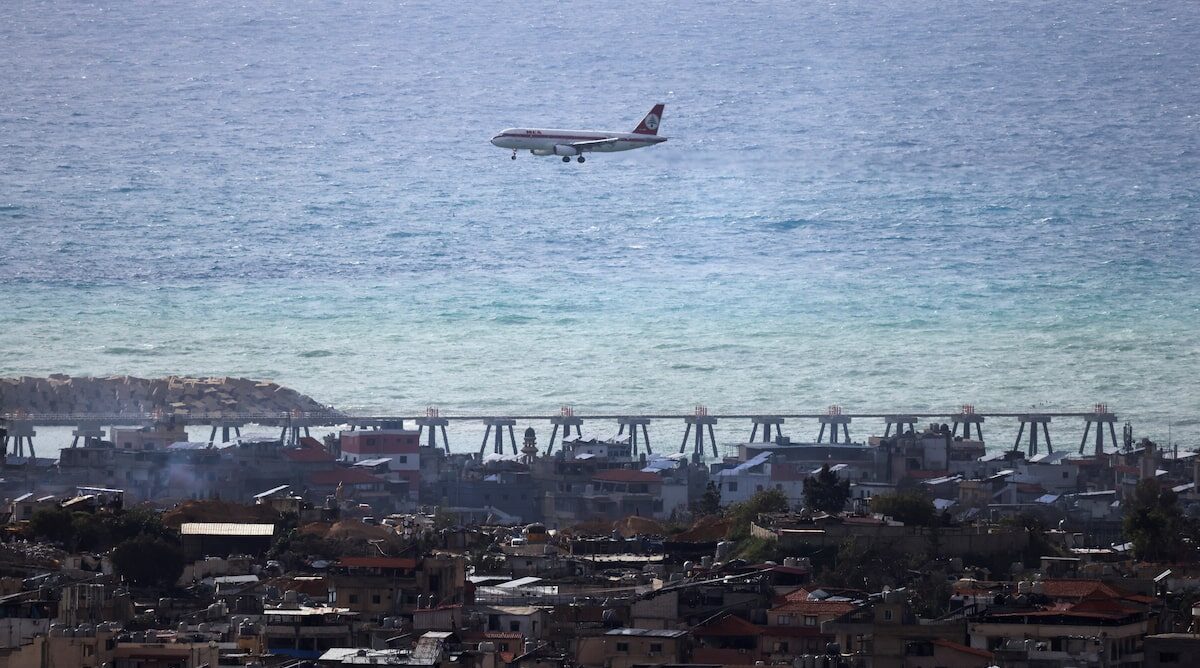
MEA’s Safety Procedures Under Review
The LCAA confirmed the audit was raised by the International Federation of Air Line Pilots’ Associations (IFALPA) regarding flight safety and pilot welfare.
In a letter sent to Lebanon’s central bank, IFALPA President Ron Hay criticised the airline’s operations during periods of military activity near Beirut.
“While some may think that flying civilian aircraft and passengers in high-risk and conflict zones during war conditions is heroic, we consider this an unconscionable risk.” Hay wrote.
Since 2024, several airstrikes have occured near Beirut’s international airport. During this period, many airlines have suspended flights to the Middle East.
In response to IFALPA, LCAA Director General Mohammed Aziz said he would,” engage in a dialogue with MEA to discuss the concerns stated in your letter.”
MEA indicated that oversight activity carried out between May 18 and June 1 confirmed the airline’s compliance with safety and operational requirements. However, Aziz later stated that the audit process continues as discussions between the regulator and the airline representatives remain ongoing.
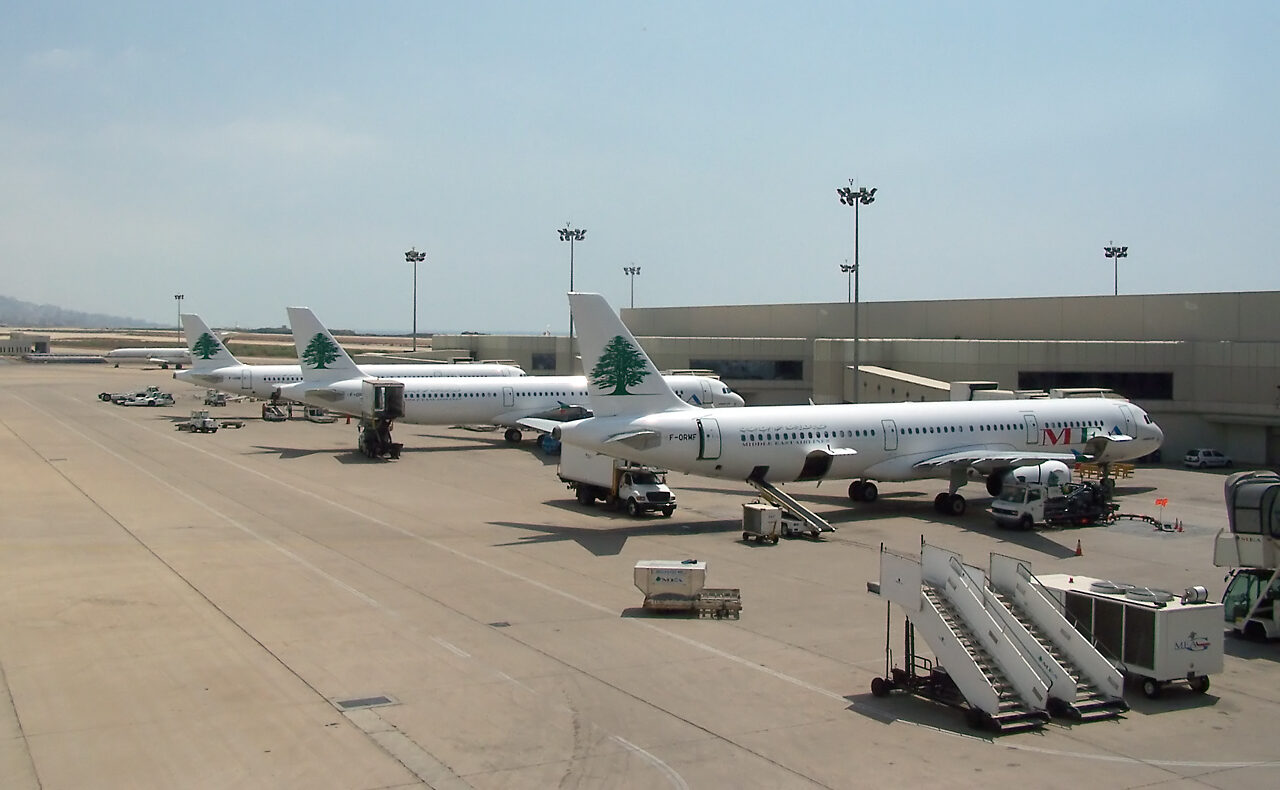
MEA Rejects Allegations
Pilot organisations have also expressed concerns about how safety reports are handled within the airline. According to IFALPA, some pilots who voluntarily reported operational errors for safety improvement purposes were later assigned additional training. This resulted in a loss of flight-related income.
“We know definitely that pilots have spoken up and there have been actions taken against them,” Hay told Reuters.
MEA rejected the allegations, describing them as “unfounded.”
The airline added that training assignments are conducted in accordance with regulatory requirements and, “should not be misconstrued as disciplinary or retaliatory measures.”
Additional questions have been raised over financial support provided by MEA to civil aviation employees following Lebanon’s economic crisis. The airline said assistance was coordinated with government authorities. It asserted that funding the helped maintain aviation infrastructure in the face of severe reductions of public-sector salaries.
According to MEA, the support did not affect the regulator’s “independence, authority, or oversight responsibilities.”
What are your thoughts on the safety concerns surrounding Middle East Airlines? Let us know in the comments below.