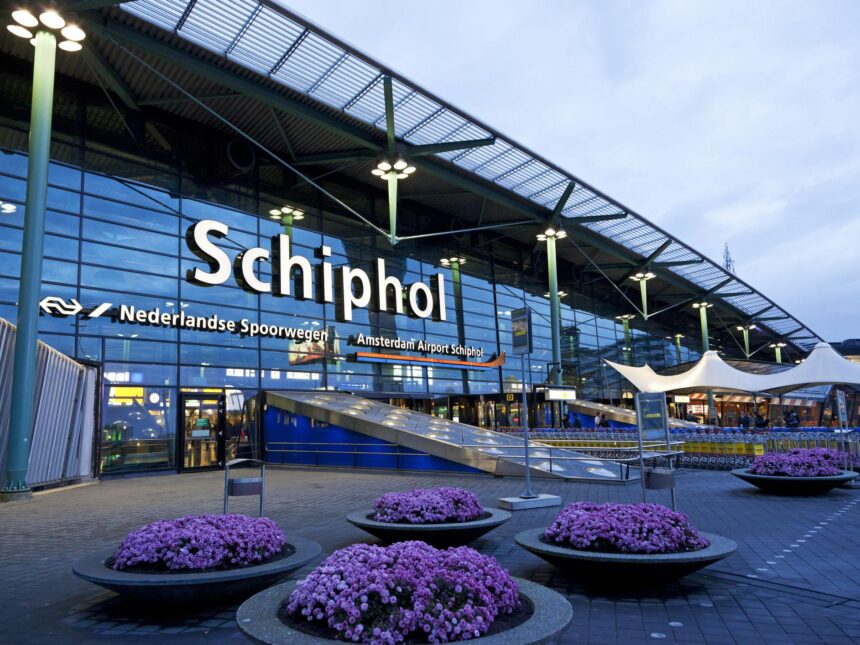
Royal Schiphol Group reported a solid financial performance for the first half of 2026, even as geopolitical uncertainty weighed on the wider industry. The group, which operates Amsterdam Schiphol Airport (AMS), Eindhoven Airport (EIN), and Rotterdam The Hague Airport (RTM), carried 37.3 million passengers across its three airports between January and June, a 0.3% year-on-year rise.
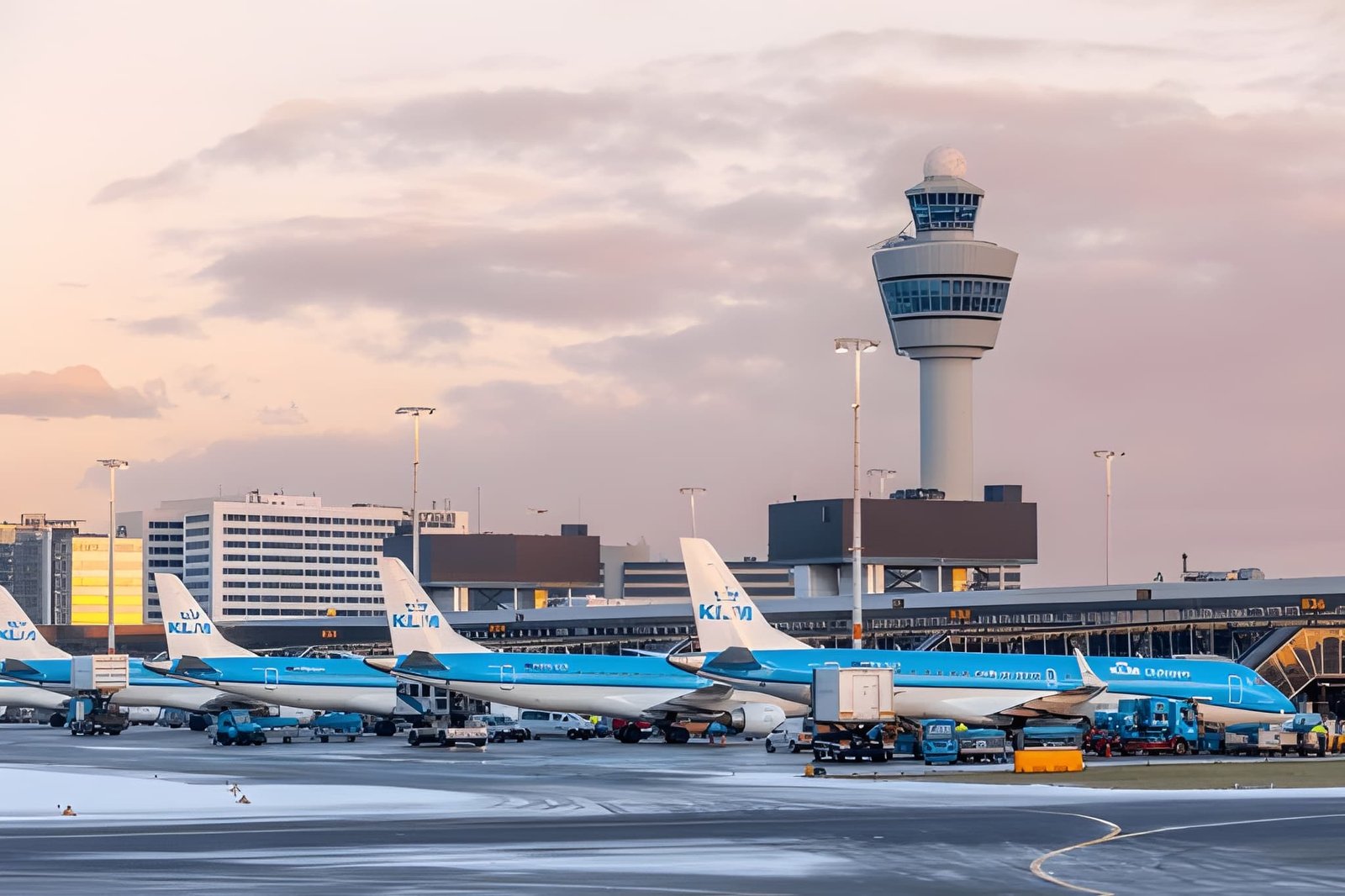
A record investment against a tightening cash position
Schiphol accounted for 32.7 million of that total and expects passenger numbers to reach 90 million by 2050. CEO Pieter van Oord said the demand, despite the wider uncertainty,
“underlines the importance of strong international connectivity for travellers, businesses and the Netherlands.”
The airport group put a record €801 million into airport quality in the first six months of the year, part of a broader €10 billion renewal plan running to 2035. Work completed in the period included the A Pier and additional capacity to support electrification, alongside a €317 million payment toward relocating KLM buildings under the Schiphol Centre Master Plan.
Cash flow after capital expenditure and other investments fell €464 million, prompting Schiphol to issue €500 million in bonds to fund the programme. CFO Robert Carsouw said the airport is,
“spending more than it earns” at present, adding that “strong finances remain essential to renewing Schiphol and ensuring it continues to create value for the Dutch economy.”
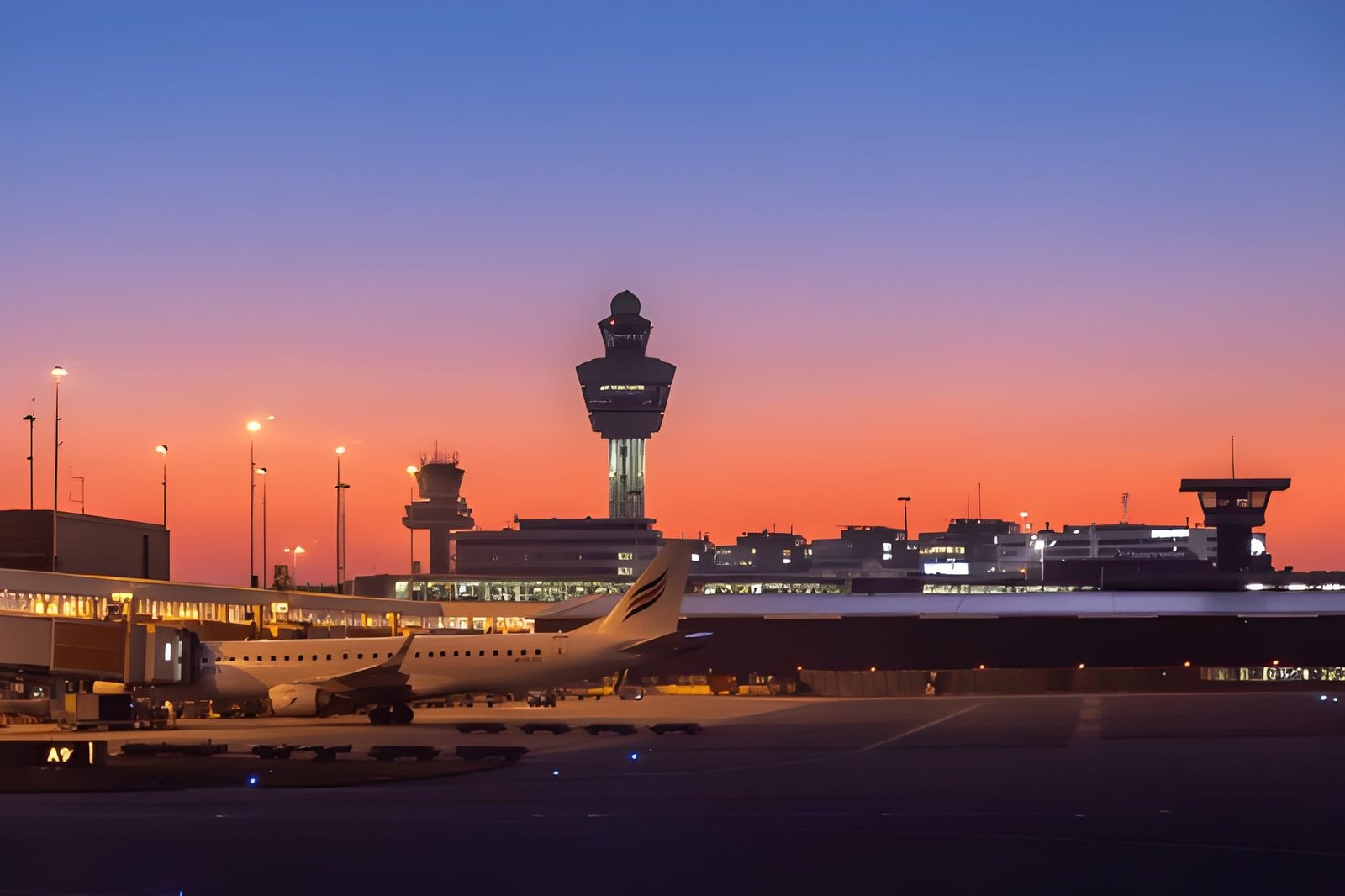
Quieter aircraft and a disrupted start to the year
New airport charges introduced in 2025 have pushed airlines toward quieter aircraft, with 38% of movements now using the two quietest aircraft categories, up from 29% in the same period last year. Newer types such as the Airbus A320neo, A321neo, A330neo, A350, and Boeing 787 Dreamliner generate 3 to 5 decibels less noise on take-off and landing than the aircraft they are replacing. Schiphol also began using an electric TaxiBot on its Polderbaan runway earlier this year, developed with easyJet, Airbus, and Menzies.
The year itself started poorly, with severe winter weather cancelling thousands of flights and the war in the Middle East disrupting air traffic further, while fuel prices doubled.
Air traffic movements at Schiphol fell 4% year-on-year to 223,597, though passenger numbers held broadly steady. Cargo volumes rose 10% to 0.8 million tonnes, and the airport added new routes to Armenia, Montenegro, and Vietnam during the half.
As Schiphol pushes ahead with its renewal plan, do you think airports are striking the right balance between growth and keeping noise and emissions down? Let us know in the comments below.