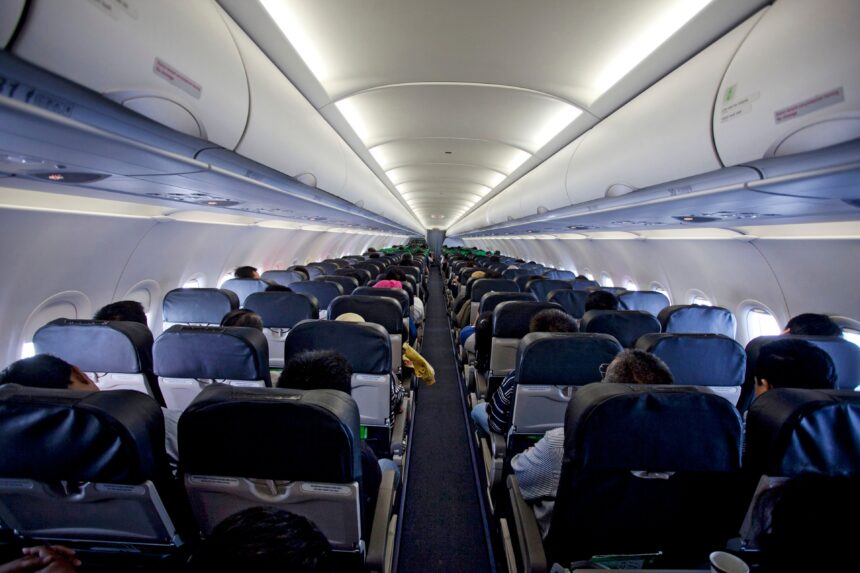
Duty free, a movie, and a slot machine. On a handful of flights in the early 1980s, that really was the menu, and for a few years in the 1990s the biggest names in aviation were quietly working out how to put a casino in every seat. Today the same airlines are busy talking about sleeping pods and newer cabins, as Air New Zealand’s latest iMTOW Boeing 787 arrival shows. The gambling never made the final cut.
It is worth asking why, because the answer says something about where passengers now play. A traveller who brings a phone onboard carries their own entertainment, and for Kiwis curious about how online pokies are about to be regulated back home, the rules that matter are the ones on the ground, not in the sky.
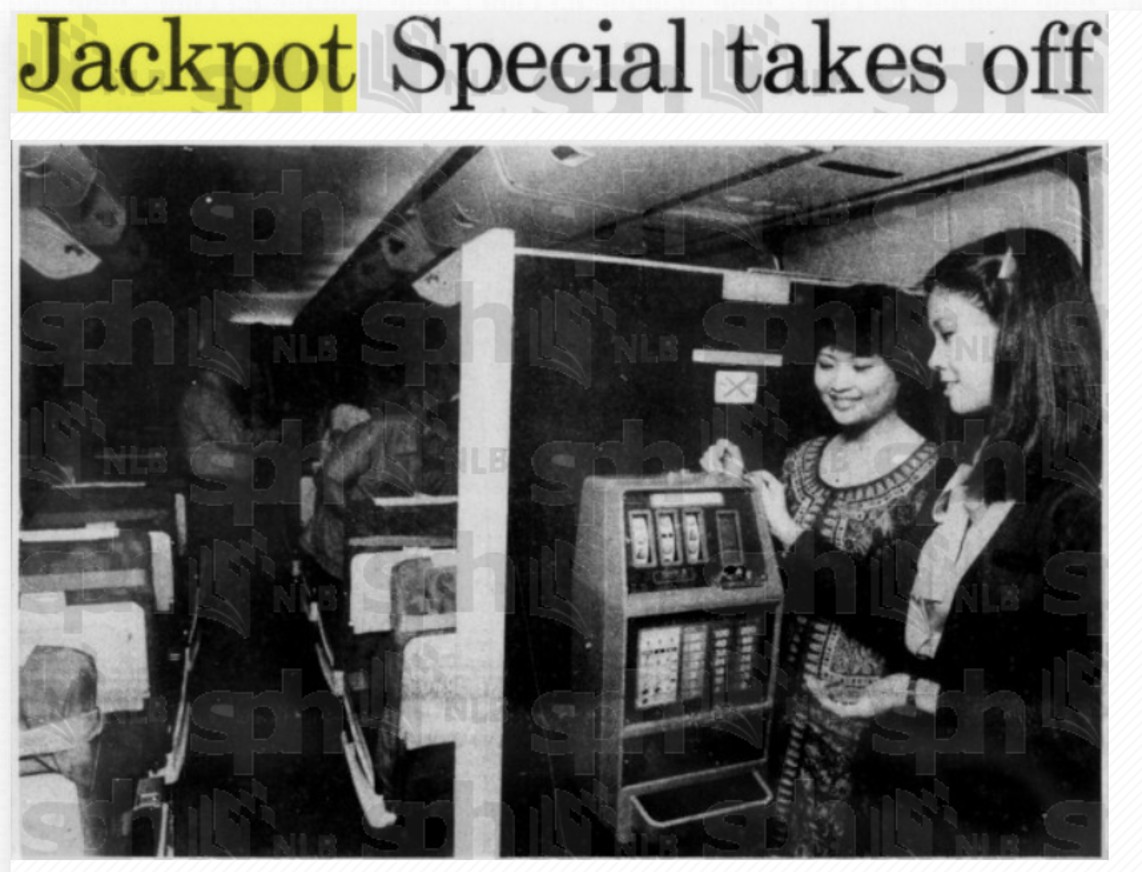
Singapore Airlines’ jackpot machines and the 1990s seat back plans
Singapore Airlines got there first. In February 1981 it announced it would be the first carrier in the world to fit jackpot machines on a Boeing 747 flying to the United States, with a trial to decide whether the rest of the fleet followed. According to The MileLion’s history of the scheme, six lightweight, battery powered machines were installed, dubbed “Orchard Rows” after the Singapore shopping street. Each weighed 16kg against 68kg for a standard casino machine, and the airline insisted the machines were there “solely on the merits of their recreational value to passengers.”
The start was not glamorous. UPI reported in September 1981 that every one of the one arm bandits on the 25 August inaugural flight broke down before the jet was halfway to San Francisco. An airline spokesman put it down to heavy demand from passengers.
The idea did not die with the coins. By 1994 the plan had moved from the aisle to the seat. The Independent reported that British Airways and Virgin were racing to install roulette, blackjack and poker through personal video screens, with a credit card swipe on each seat and a likely loss limit of £10 to £15. The Los Angeles Times, surveying airline cabin technology that December, noted that carriers including Virgin Atlantic, Qantas and British Airways were planning interactive systems that could include gambling.
Why it never took off
Washington ended the debate. In August 1994 the United States passed legislation that became 49 U.S.C. 41311, which says an air carrier or foreign air carrier may not install, transport, or operate, or permit the use of, any gambling device on board an aircraft in foreign air transportation. The definition explicitly covers gambling applications on electronic interactive video systems installed for passenger use, which closed the door on the seat back plans in one sentence.
That matters well beyond American carriers. The wording covers foreign carriers too, so it reached well past American airlines. Add the practical headaches of policing age limits, cash handling and problem play at altitude, and the commercial case was thin. Airlines found they could sell movies and meals without any of that baggage.
Wifi changed the question
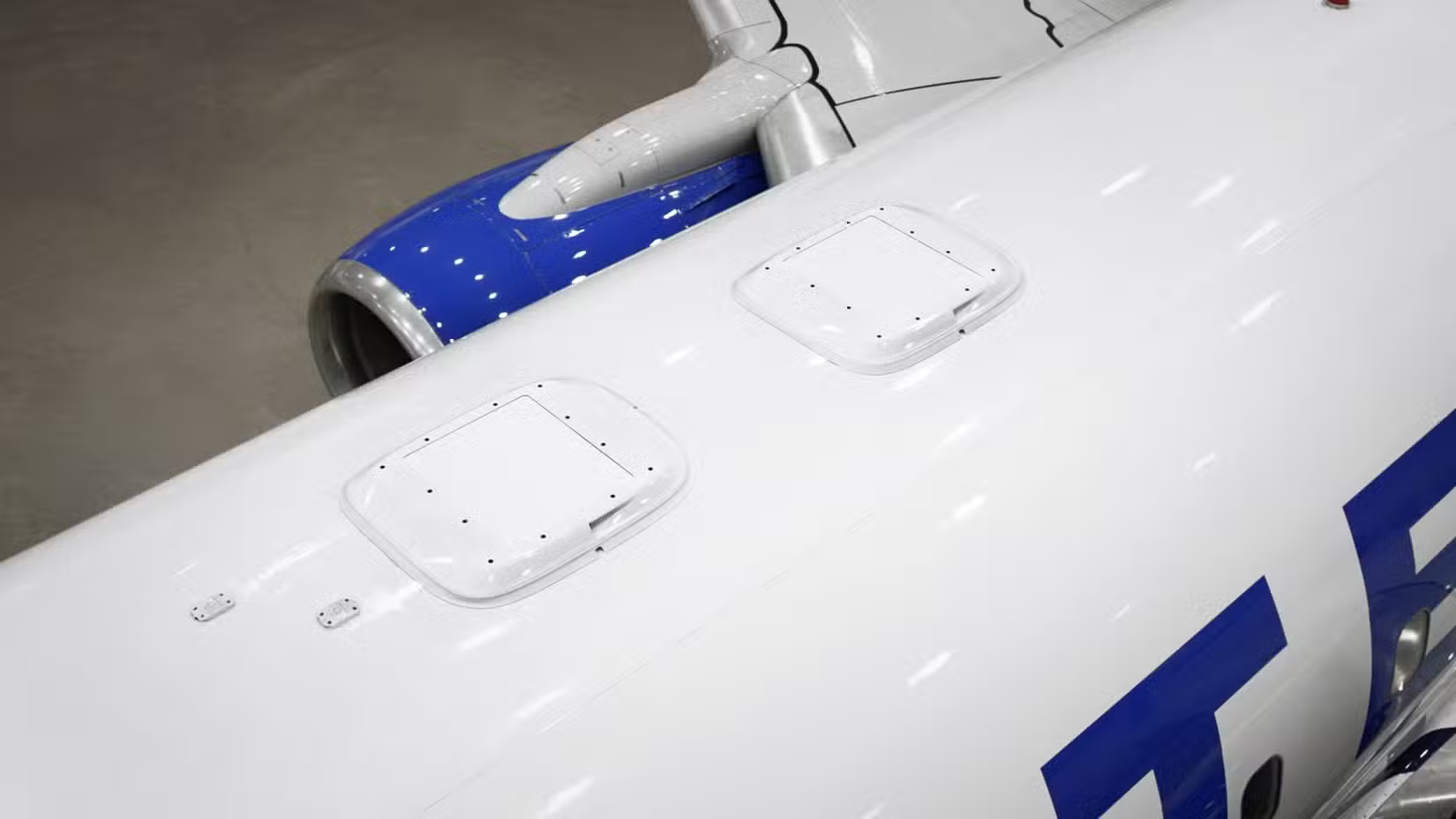
The modern version of the question has nothing to do with machines bolted to the floor. Air New Zealand has been trialling free Starlink wifi on domestic aircraft, including an ATR turboprop, and the airline says passengers can stream and game as they would at home. Once a cabin has fast internet, the airline is no longer the one supplying entertainment. Passengers bring their own.
Airlines host nothing in this setup, and what a passenger can legally access still depends on the rules of the country they call home. For New Zealanders, that picture is changing. The Online Casino Gambling Act is now in force, and the Department of Internal Affairs says the licensed regime is not expected to be fully operational until 2027, with online casino advertising currently prohibited during the transition. Readers who want to understand how that framework applies to them should treat the regulator’s own guidance as the final word. A seat at 35,000 feet changes nothing about those rules, and nobody should assume that gambling onboard is allowed, supported or encouraged by any carrier.
Air New Zealand’s next generation cabins
So what are airlines investing in instead? Comfort. Air New Zealand has flown the 787 since 2014, when it became the launch customer, and its newest aircraft was expected to debut with the Skynest, an economy sleeping pod designed for ultra long haul flights. That product will now be installed later, according to Travel Radar’s coverage.
It is a telling contrast. The 1980s bet was that bored passengers wanted a flutter. The current bet is that tired passengers want to lie down. Lie flat beds, pods, better screens and fast wifi have all become the headline features, and none of them require a licence from a gambling regulator.
The sleeping pod is also a reminder of how the industry measures success. A cabin product earns its place by lifting comfort scores and fare premiums, not by generating revenue from the passengers it serves. The slot machine failed that test long before the law arrived.
Back to the tray table
Picture the 1981 cabin once more: padded trays muffling the sound of coins, eight economy seats removed to make room, and a spokesman explaining why the machines had given up before the Pacific was half crossed. It was an odd experiment that fits neatly into aviation’s long list of ideas that sounded better on paper. The tray table survived. The coins did not.