

A 17-year-old passenger received emergency medical assistance after reportedly losing consciousness aboard a Xiamen Airlines Flight. Two doctors and the cabin crew helped to stabilised his condition before the aircraft landed.

Medical Emergency Onboard
Xiamen Airlines flight MF8406 was operating from Kunming Changshui International Airport (KMG) to Xiamen Gaoqi International Airport (XMN) on Nov. 22 when a Singaporean teenager reportedly lost consciousness.
Cabin crew appealed for medical assistance through an in-flight announcement, prompting two doctors to come forward.
The doctors, Ke Jianguo and Hong Qingqi of the First Affiliated Hospital of Xiamen University, were returning from an academic conference when the incident occurred.
After examining the teenager, they reportedly found that he was suffering from low blood pressure and abdominal pain. The passenger had also experienced diarrhoea the previous day and the morning of the flight.
According to reports, the doctors suspected acute gastroenteritis and provided treatment including an oral glucose saline solution and gastrointestinal medication.
The pair continued to observe the teenager for the remainder of the flight. An electrocardiogram (ECG) reading was taken and his condition was confirmed to be stable.
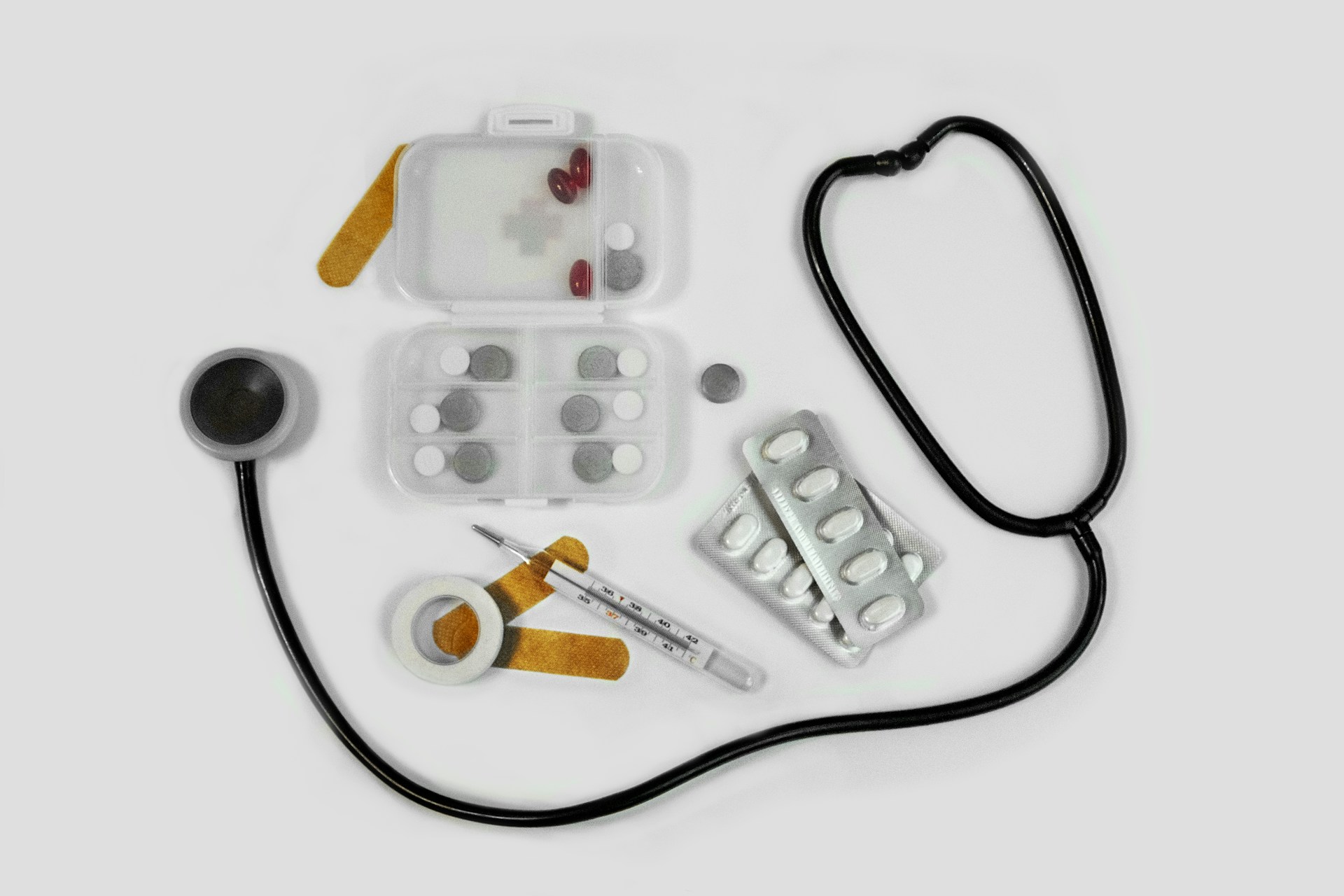
How are In-Flight Medical Emergencies Handled?
In-flight medical emergencies can require airline crews to urgent medical assistance onboard with limited medical resources and without immediate access to hospital care.
According to the International Civil Aviation Organisation (ICAO), commercial flights require a first-aid kit, universal precaution kits, emergency medical kits (EMKs) and Automated External Defibrillator (AED). ICAO requirements serve as a guide while specific requirements are determined by national regulators and individual airlines.
Medical emergencies are estimated to occur on approximately one in every 212 flights. Most incidents can be managed without having to divert the aircraft.
Research suggests that around 1.7% of onboard medical emergencies result in a diversion to an alternative airport, while approximately 0.4% involve CPR. A similar proportion result in a passenger dying during the flight or shortly after landing.
Have you ever witnessed a medical emergency during a flight? Let us know your experience in the comments!