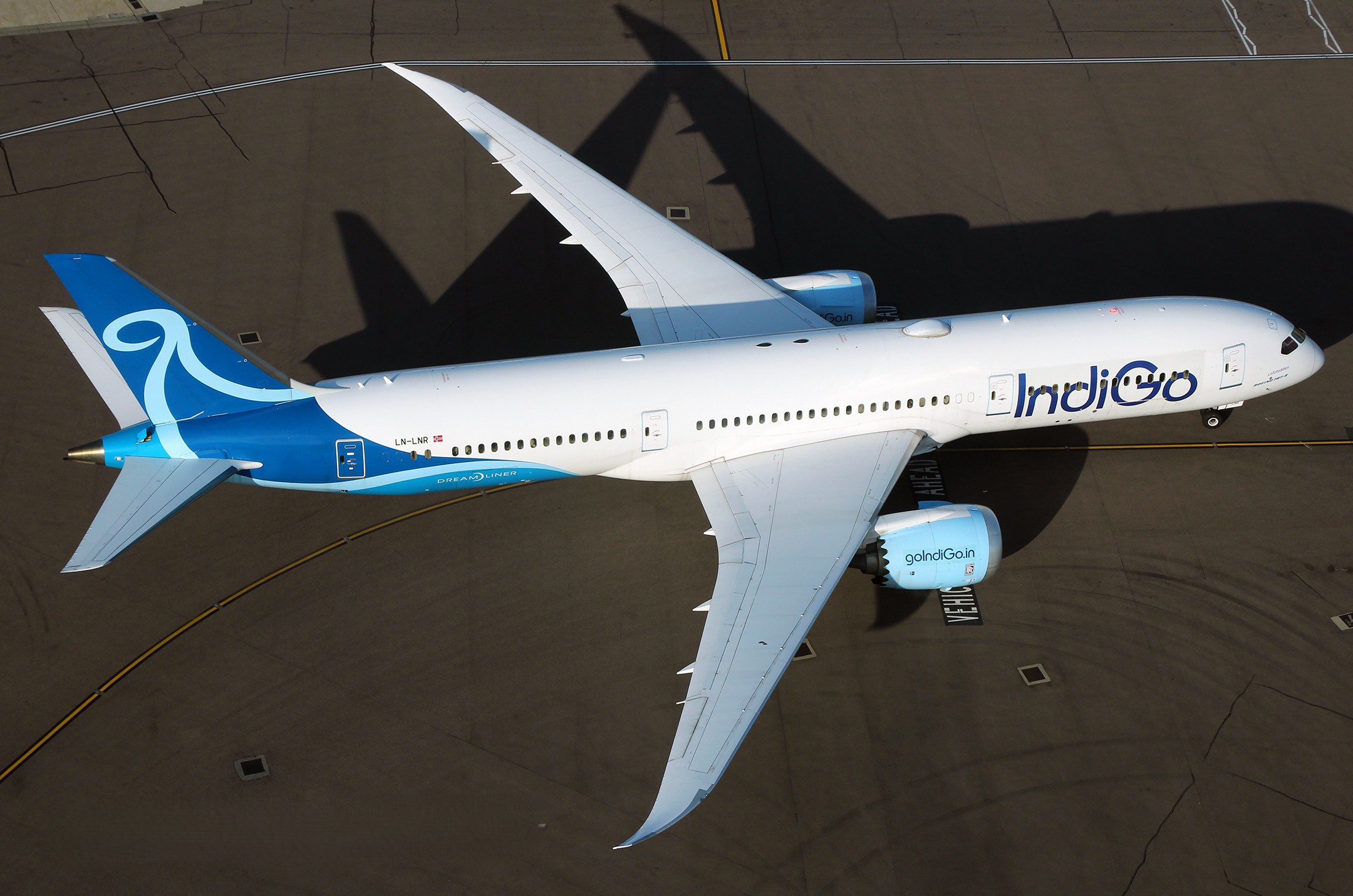
IndiGo (6E), the leading airline in India in terms of market share and seat capacity, announced on Friday that it will end wide-body operations specifically to London Heathrow (LHR) on October 25, 2026, and terminate its aircraft lease with Norse Atlantic Airways (N0) by October 31, 2026. It is a reduction in a program that was started only a year ago to support IndiGo’s long-haul goals.
Route changes and fleet transition
The main cause is expenses. IndiGo attributed the decline in route efficiency and timetable dependability to a more difficult operating environment created by geopolitical concerns, high fuel prices, and currency fluctuations. Restrictions on airspace haven’t been helpful either. The airline said that when these factors were combined, they were sufficient to force a thorough evaluation of the program and drive it in the direction of alternatives.
The decision was placed within a broader industry context by Abhijit Dasgupta, senior vice president of planning and revenue management at IndiGo. According to him, carriers must exercise caution when allocating resources in the near future due to the current geopolitical unpredictability in the aviation industry. However, long-term objectives have not changed. As it moves into its next phase, he said the airline is still dedicated to expanding throughout important mid- and long-haul regions.
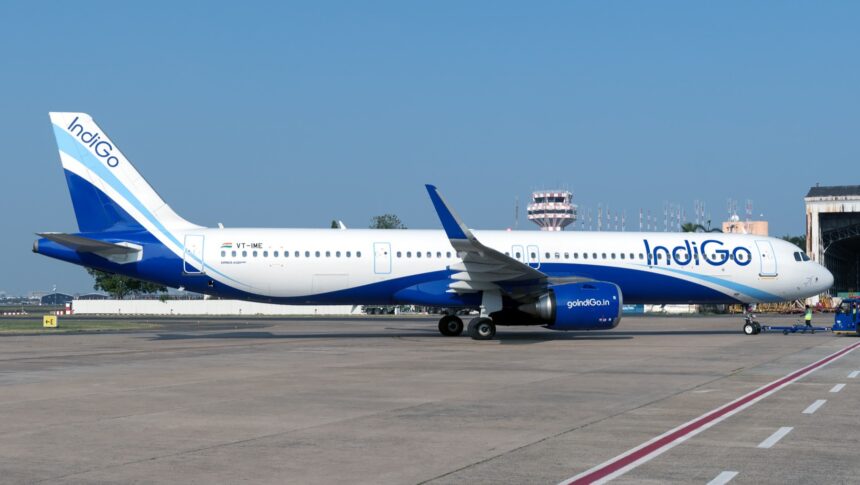
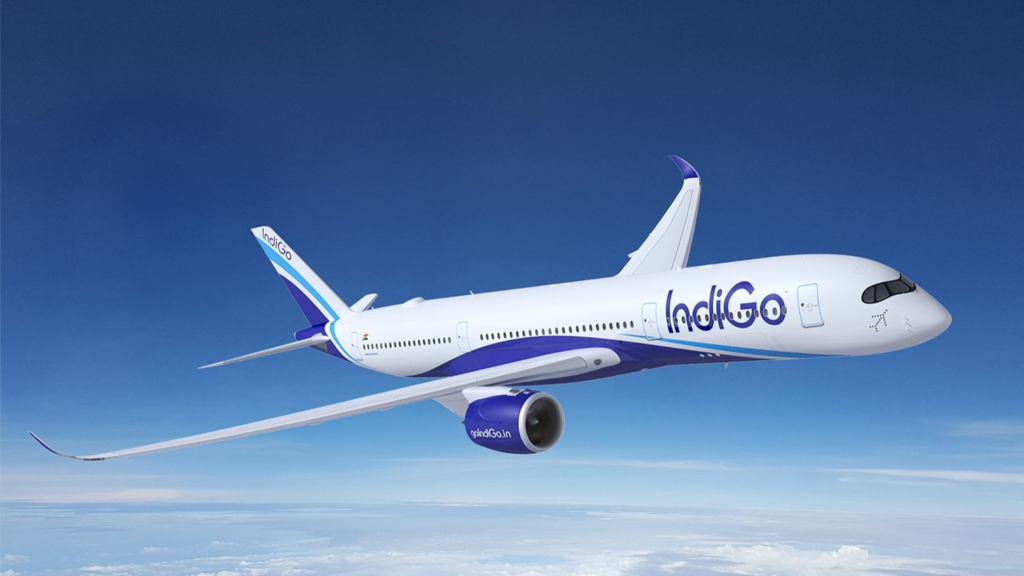
As part of the change, starting on October 25, IndiGo’s Mumbai-Amsterdam route will be run by Airbus A321XLR aircraft. Until the airline receives delivery of its Airbus A350-900 aircraft, flights to and from London Heathrow will be halted. In order to establish services to Europe and Britain and obtain operational experience prior to the arrival of its own wide-body fleet, IndiGo entered into an arrangement with Norse Atlantic in early 2025 to lease six Boeing 787-9 aircraft. Norse Atlantic stated that IndiGo would redeliver all six planes in a different announcement.
How IndiGo sees its long-haul future
Rahul Bhatia, IndiGo’s managing director and co-founder, gave a fuller picture of where this is headed in a recent interview. Bhatia said,
“We have an extensive network in India, we can connect into a hub and fly people to the world. And vice-versa, bring people from geographies where we have large Indian concentration, bring them to India”
Is IndiGo trying to build a Gulf-style transit hub? Not really, according to Bhatia. He said connecting traffic will stay secondary while there’s still so much domestic demand left to capture in India. Diaspora routing is a different story. Asked if IndiGo could eventually link countries with large Indian populations abroad through Indian hubs, he told the Press Trust of India (PTI): “Absolutely without a question.”
None of this changes the airline’s stated long-term plan. For the time being, it is sticking with A321XLR-led growth in Europe; once those aircraft come, A350 service will follow. If necessary, passengers affected by the Norse Atlantic wind-down will receive rebooking choices or reimbursements.
What role do you think Indian carriers can realistically play in competing with Gulf hubs for diaspora traffic? Let us know in the comments below.