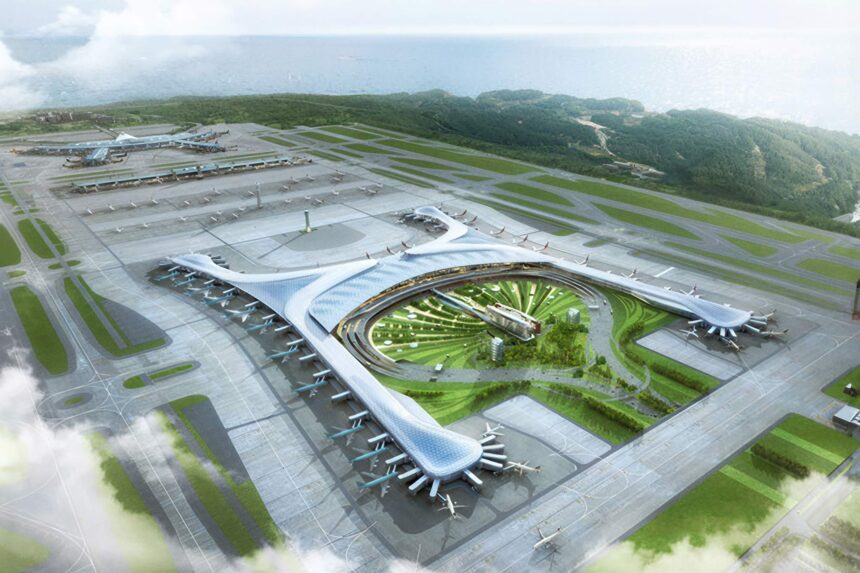
The United States is pushing to secure a significant role for American industry in Ethiopia’s $12.5 billion Bishoftu International Airport, a four‑runway development intended to anchor the country’s long‑term aviation expansion. The “Dubai of Africa” project has drawn intense interest from international investors, with Washington viewing it as an opportunity for U.S. industrial participation in Africa’s growing aviation market.
U.S. Commercial Interest
Washington has intensified commercial engagement with Ethiopian authorities and Ethiopian Airlines, with U.S. officials pushing to secure strong American corporate participation in the Bishoftu project. While officials have not specified the exact role U.S. companies might play, they have linked the expansion to future opportunities for U.S. exports, including Boeing aircraft, GE Aerospace engines, and artificial intelligence technology.
Located about 45 kilometres southeast of Addis Ababa, the facility is intended to support the growth of the flag carrier. Groundworks began in January 2026, including $610 million in earthworks scheduled for completion this year. Ethiopia continues to target full completion by 2030.
The project’s scale has drawn interest from international contractors. Pre-qualification for the engineering, procurement, construction, and financing (EPC-F) contracts has been completed, with the shortlisted bidders spanning China, Europe, the Middle East, Türkiye, India, and Russia.
Ethiopian Airlines has outlined four core work packages: main terminal facilities, support facilities, airfield and infrastructure works, and offsite transport links.
Funding and Strategic Context
The tender is structured under an EPC‑F model, requiring bidders to deliver construction and secure financing. Under this model, the contracted partners are responsible not only for the physical delivery of the infrastructure but also for helping to arrange or secure the necessary funding for the project.
Ethiopian Airlines will fund between 20% to 30% of the cost, leaving roughly $8.7 billion to be raised internationally. The African Development Bank has pledged $500 million and is coordinating broader fundraising, while U.S. financial institutions have also expressed interest in participating in the project
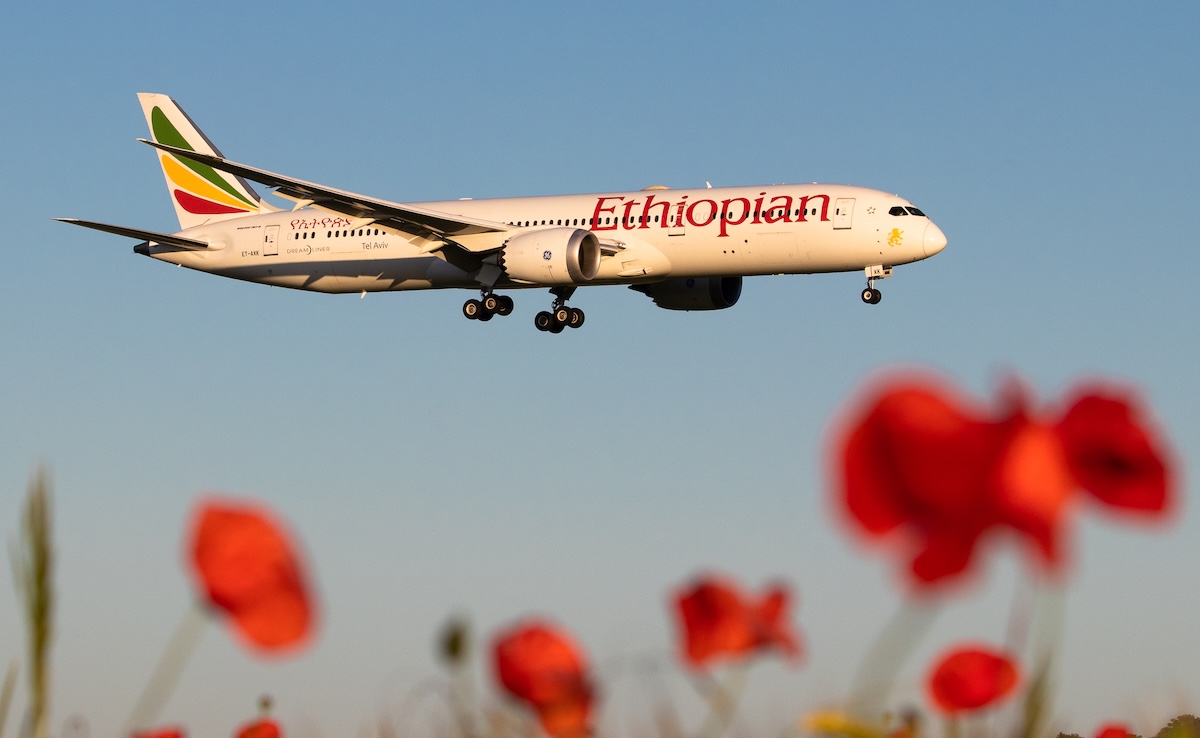
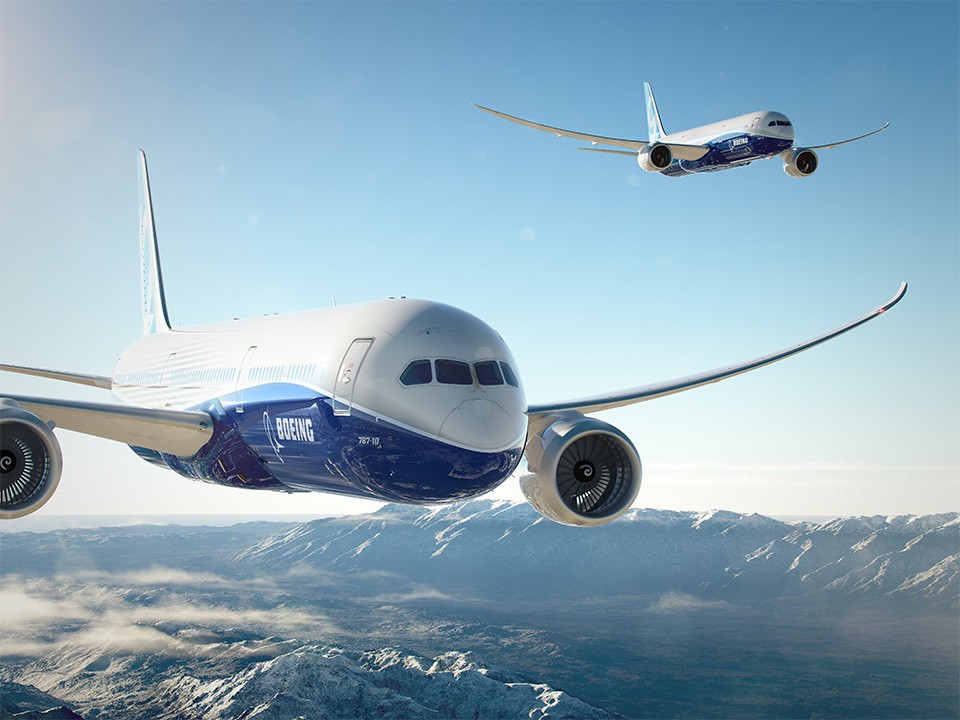
Washington’s interest is reinforced by Ethiopian Airlines’ large and expanding Boeing fleet, which includes Africa’s largest B787 fleet, strengthening commercial alignment with U.S. aerospace suppliers.
The U.S. Commerce Department is seeking closer ties with Ethiopia’s Artificial Intelligence Institute to promote the use of American digital and AI technologies in smart‑airport systems.
The tender has become a focal point in the wider competition among global powers for infrastructure and investment influence in Africa. To support these connections, the United States is seeking to strengthen the business environment for American firms, noting that Ethiopia’s economic reform agenda is expected to create genuine opportunities and strengthen economic ties between the two nations.
What do you think of the U.S. and Africa strengthening their financial relationship? Let us know in the comments below.