By using this site, you agree to the Privacy Policy and Terms of Use.
Accept
Travel Radar - Aviation NewsTravel Radar - Aviation News
  • Breaking News
  • Aviation
    • Aircraft
    • Airlines
    • Airshow & Events
    • Careers
    • Manufacturing
  • Travel
    • Airports
    • Points & Loyalty
    • Technology
    • Trip Reviews
  • Newsletters
Reading: What exactly is SAF?
Share
Sign In
Notification Show More
Font ResizerAa
Font ResizerAa
Travel Radar - Aviation NewsTravel Radar - Aviation News
  • Breaking News
  • Aviation
    • Aircraft
    • Airlines
    • Airshow & Events
    • Careers
    • Manufacturing
  • Travel
    • Airports
    • Points & Loyalty
    • Technology
    • Trip Reviews
  • Newsletters
Signin Sign In
Follow US
Copyright © Travel Radar Media Ltd. 2025 | All Rights Reserved
Travel Radar - Aviation News > News > What exactly is SAF?

What exactly is SAF?

Tommaso Baliani
Last updated: 18 July 2022 11:57
By Tommaso Baliani
3 Min Read
Share
SHARE

In this article, we take a look and explain all you need to understand about Sustainable Aviation Fuel (SAF), one of the most recent and discussed aviation technology for commercial travel and more. At Travel Radar, in the past, we have covered news about airlines and airports using this technology, now it’s time to explain what this technology is, in a brief and comprehensible form.

Summary
The purpose of this technologyWhat is SAF?The future of this technology

The purpose of this technology

Traditionally, turbine engines use Jet A-1, a type of refined, light petroleum, and it’s a jet kerosene fuel, meaning that it is more stable and less prone to spontaneous combustion than traditional car fuel. It has been used since the late ’40s but is highly pollutant. Now the world demands that aviation in its entirety becomes more environmentally friendly and adapts to the new challenges of the new world. So here comes SAF!
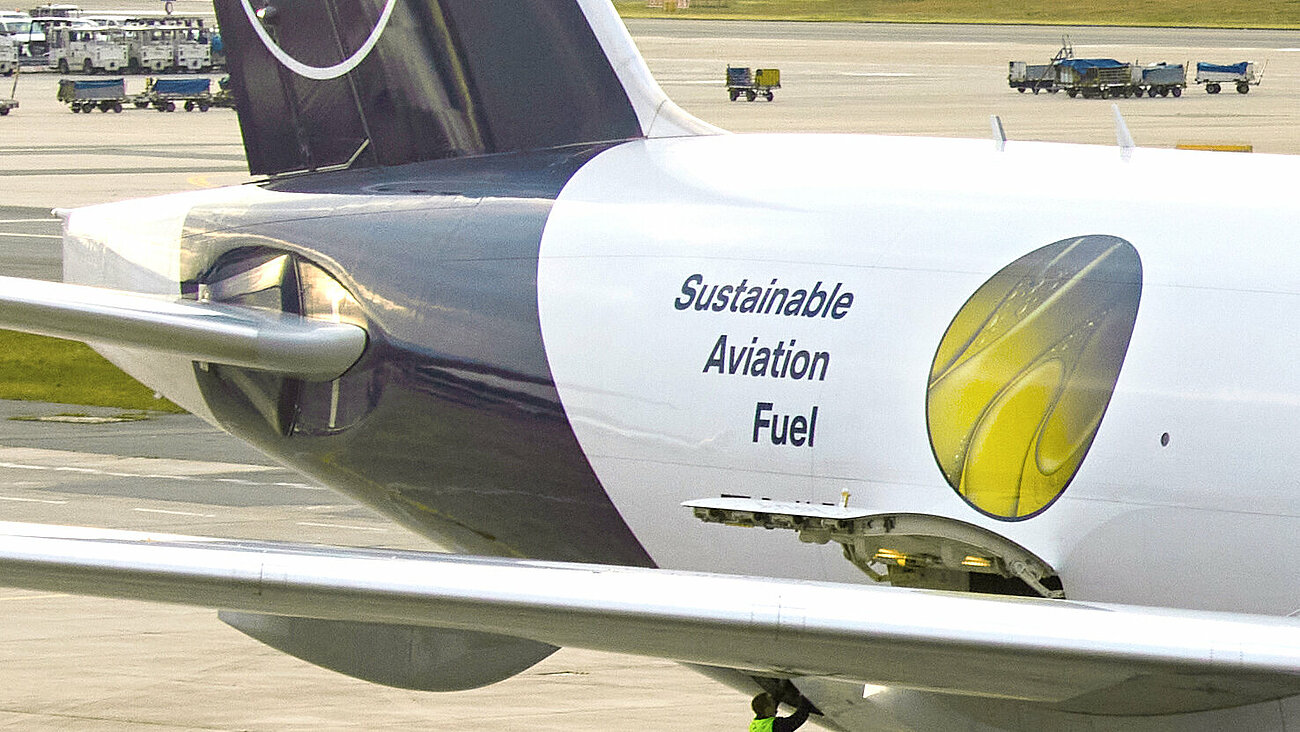
Advertisement for SAF on a Lufthansa plane
©Lufthansa Group

What is SAF?

The SAF is a bio-fuel that has a very similar chemical structure to the traditional aviation jet fuel, but it has 80% lower carbon emissions. It is produced by processing used cooking oil, feedstock and miscellaneous byproducts of many different productions from different industries that process organic products, other than products from the so-called “energy crops”.

Energy crops are at the centre of some controversy since growing plants for the production of biofuels used in endothermic engines and aviation engines, may be a waste of space for growing food plantations for the expanding world population.

The main upsides of this fuel are that it can be used by ANY aircraft that are rated for conventional fuels and both fuels can be blended in the tank, it reduces GHG (Greenhouse Gases) by 20-25% and carbon emission by 80%. Plus, it requires no changes in the airport handling procedures, SAF is treated like Jet A-1 fuel and no additional training is required for the ground personnel.

The main downsides are the costs of production, and as a consequence, the costs for airlines.
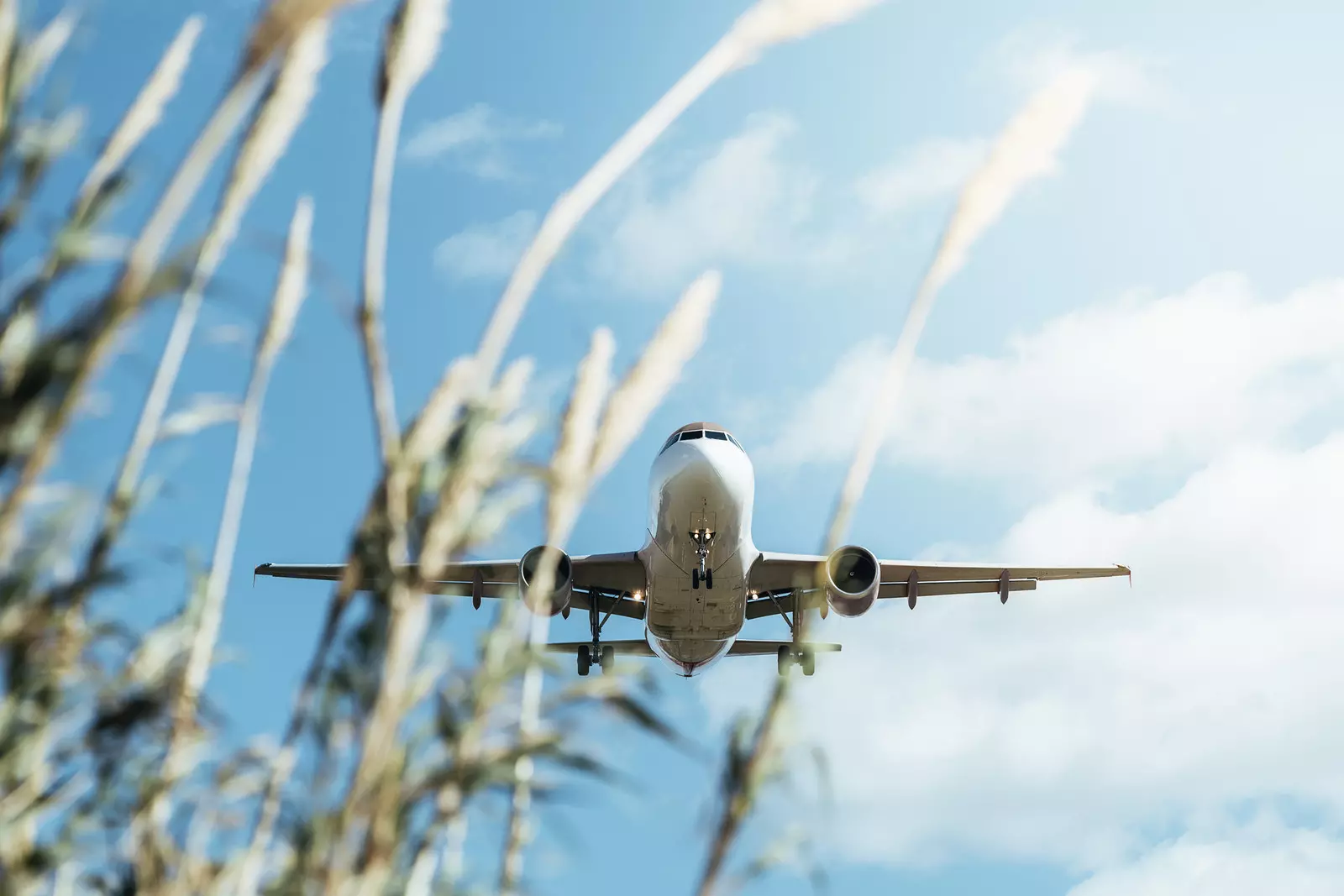
Photo of a cereal field (used for SAF) and an A320
©Getty Images/iStockphoto

The future of this technology

For the moment this technology represents the sole opportunity for commercial aviation to regain a good reputation in front of public opinion and to reach all the objectives set for 2050 to reduce the industry’s carbon footprint. But it needs to become more widespread fast and it needs to be “sustainable” also for the wallet of the airlines. For the moment, according to the ICAO Tracker, 53 airports are distributing this fuel and more than 360,000 flights have flown using this technology.

This is all you need to know to understand when we talk about SAF, more detailed info can be found here.


You Might Also Like

Embraer Shares Earnings for First Quarter of 2025
Easyjet A319 Receives Two Lightning Strikes
Fighter Jet Deployed on Ethiopian 777 Due to Airspace Violation
Norwegian Set to End Long Haul Flights
British Airways Invest in Cardiff Maintenance Base
Share This Article
Facebook Twitter Email Copy Link
What’s your thoughts?
Love0
Sad0
Happy0
Angry0
Tommaso Baliani
ByTommaso Baliani
Aviation Reporter - Motivated individual and qualified FAA Flight Dispatcher, Tommaso is an Aviation Reporter with Travel Radar covering the state of Italian and Eastern European Aviation
Previous Article Ryanair planes at stand. 500 Flights Cancelled Following Italian Pilot Strikes
Next Article ‘Pioneering Spirit’: Embraer and Raizen reshape the future of energy with SAF
Subscribe
Login
Notify of
guest

guest

0 Comments
Oldest
Newest Upvoted
Inline Feedbacks
View all comments

Stay Connected

FacebookLike
TwitterFollow
InstagramFollow
YoutubeSubscribe

Trending News

House of Lords
Lords to Hold Second Reading of Sustainable Aviation Fuel Bill
Airline Economics Aviation
Green airport lounge
Exploring the Future of Air Travel: Trends Every Traveler Should Know
Airports Travel
Ryanair flight from Bergamo airport in Italy. Ryanair leveraging network connectivity. There is uncertainty in air travel amid Ryanair's French routes cuts and airfare tax hikes.
Ryanair to stop more flights from European countries
Airline Economics Airlines Airports
Two aeroplanes getting ready for dismantling
EirTrade Spearheads growth Strategy for Knock West Ireland Airport
Aircraft Aviation Manufacturing
Malaysia Airlines aircraft Boeing 737-8H6
MAG Announces New President and Chief Executive Officer
Airlines Aviation
//

Travel Radar is the leading digital hub for all things aviation and air-travel. Discover our latest aviation news, aviation data, insight and analysis.

Discover

  • Latest News
  • Subscribe
  • Weekly Digest
  • Contact Us
  • Privacy Policy
  • About Us
  • Advertising
  • Media Coverage
  • Press & Events
  • Join Our Team
  • Our Brands

Signup to our Newsletter!

And get the latest aviation news via our weekly news digest!

© Travel Radar Media Ltd. 2015-2025 | ISSN #2635-0696 | Trademark #UK00003579704
wpDiscuz
adbanner
Welcome to the TR Community!

Sign in to your account

Not a member? Sign Up