
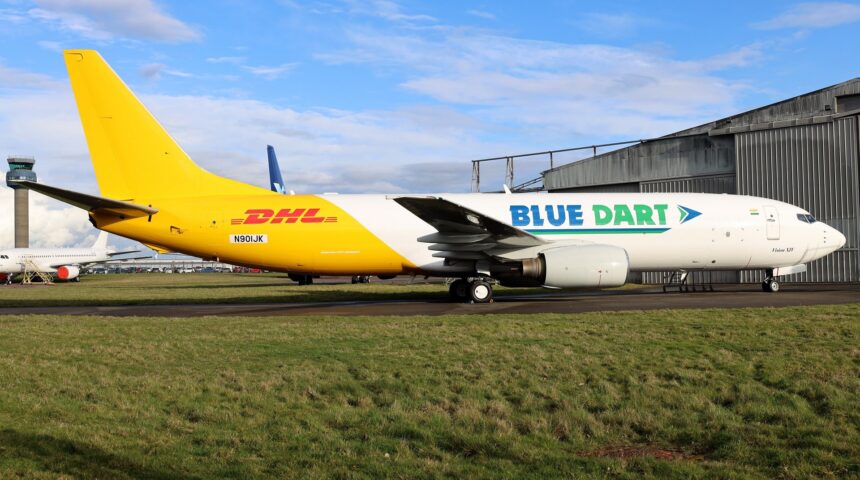
Blue Dart Aviation, India’s only scheduled domestic cargo airline, is expanding operations into five new cities: Pune, Jaipur, Chandigarh, Kochi and Coimbatore. The move follows a shift in manufacturing activity toward non-metro regions, driven in part by various government-backed initiatives.
Shift in Network Strategy and Fleet Expansion on Hold
The Chennai-headquartered carrier has historically built its network around metropolitan cities, with Blue Dart Aviation currently operating scheduled freighter services across eight stations: Delhi, Mumbai, Chennai, Bengaluru, Hyderabad, Kolkata, Ahmedabad and Guwahati.
Nikhil Ved, managing director of Blue Dart Aviation, told The Economic Times that the company is shifting its focus to capture cargo originating from the industrial centres thereby generating cargo volumes and prompting the airline to adjust its network and capacity planning accordingly.
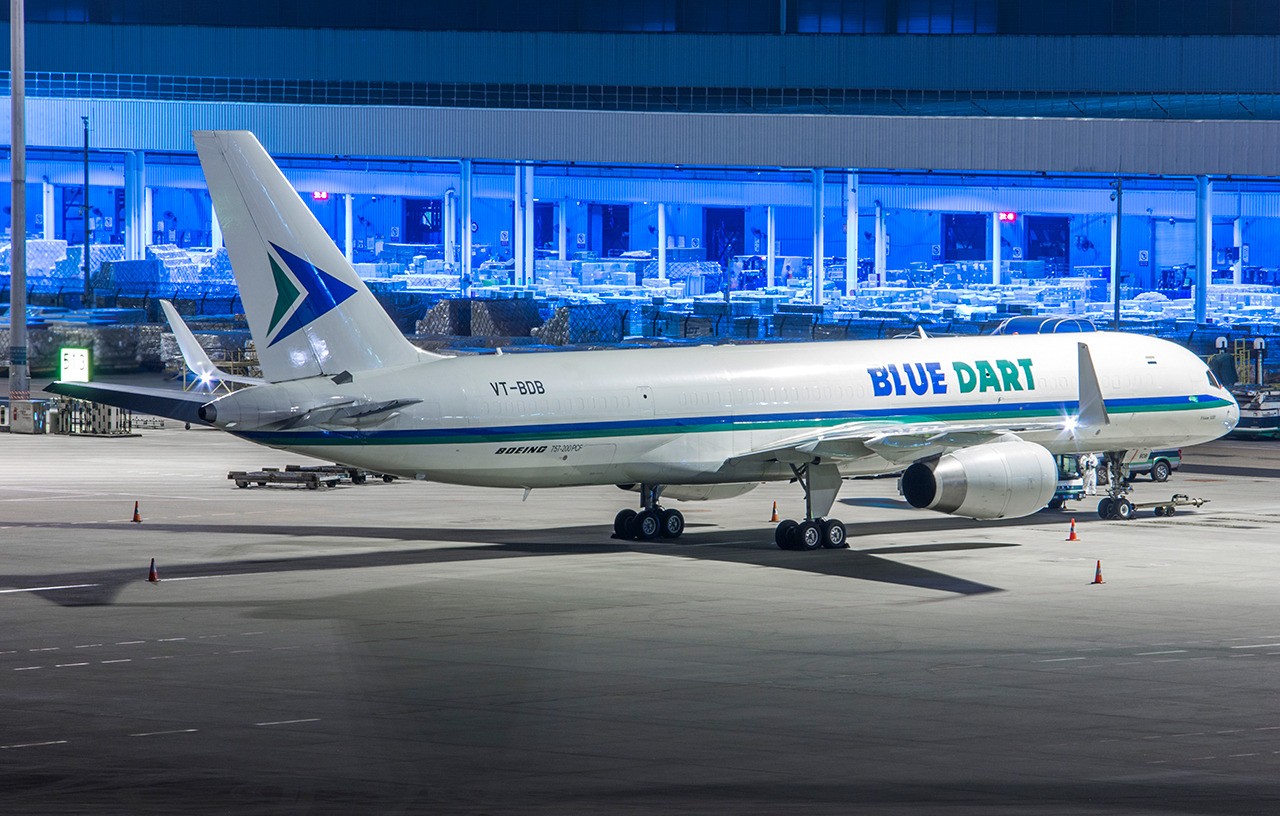
The airline is targeting 100 tonnes of daily throughput across the five new hubs but is not immediately upgrading its fleet to support this. Blue Dart Aviation currently operates ageing Boeing 757 and 737 freighters and plans to continue running them while it assesses how demand develops in the new markets. The approach ties aircraft acquisition decisions to confirmed market needs rather than projected growth.
Blue Dart Express, whose majority stake is held by DHL, spent close to ₹200 crore (approx. $21.2 million) on aircraft and engine maintenance last year. Annual maintenance costs are expected to stay in the ₹100-150 crore (approx. $10.6-15.9 million) range as the company extends the service life of existing aircraft instead of adding new ones in the near term.
Focus on high-value Cargo
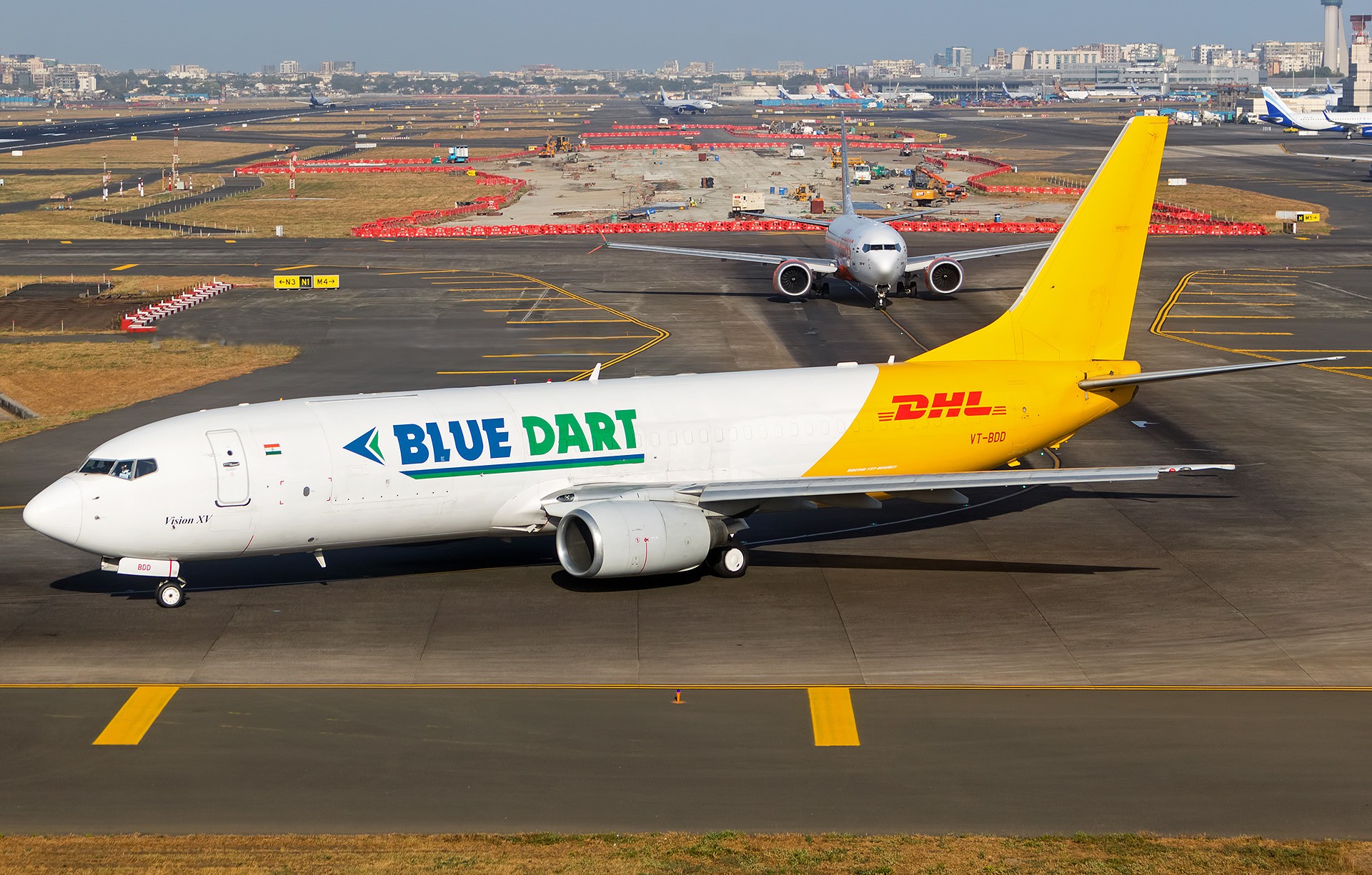
Alongside the network expansion, Blue Dart Aviation is adjusting its cargo mix to prioritise higher-yield categories. E-commerce shipments remain a core part of its business, but the airline is increasing its share of precious metals, life sciences products and dangerous goods, all of which require dedicated freighter capacity.
Ved said the shift towards premium cargo segments is strategic, as these shipments command higher yields and align with the airline’s operational strengths in handling regulated and sensitive consignments.
The airline already transports gold, silver, pharmaceuticals and other time-sensitive cargo, and expects this segment to contribute to revenue growth over the coming years. The network carries over 100,000 tonnes of cargo annually. Within Blue Dart Express’s broader logistics operations, around 60% of shipments move by air, with the remainder transported by road.
Do you think the fleet strategy is clear for Blue Dart Aviation? Let us know in the comments.