The airline industry is still expected to be profitable in 2026, but only barely. In a June 7 outlook, the International Air Transport Association said global airlines are now forecast to earn $23 billion in net profit in 2026, about half its prior projection ($41 billion) and roughly half of the $45 billion estimate for 2025. IATA projects a 2.0% net margin and just $4.50 profit per passenger, underscoring how quickly a cost shock can squeeze a business that already runs on thin margins.
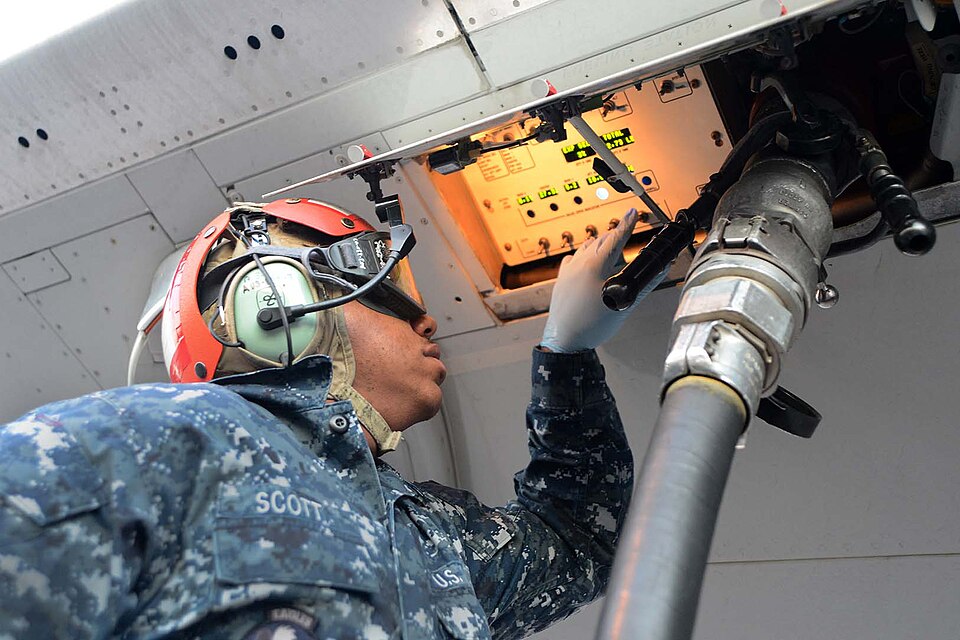
Fuel is the main catalyst and IATA says the spread is historically high
IATA’s forecast assumes Brent crude averages $95/barrel in 2026 and jet fuel averages $152/barrel, pushing total airline fuel costs up to $350 billion (about a 40% jump from 2025). It also highlights a key refinement-market problem: the jet fuel premium over crude (the “crack spread”) is expected to average $57/barrel, which IATA calls an historic high. In energy markets, the crack spread is the price difference between crude and refined products like gasoline, diesel and jet fuel.
IATA says the shock is not evenly distributed. Airlines based in the Middle East are forecasted to post a $4.3 billion net loss in 2026 (a -6.1% margin) as disruptions, cancellations and uncertainty weigh on demand and operations, including loss of transfer traffic and higher costs. Other regions are still expected to remain profitable, but at reduced levels.
Demand is still growing, but expenses are rising faster than revenue
Despite the profit squeeze, IATA expects industry revenues to rise to $1.165 trillion in 2026 and passenger numbers to hit 5.1 billion, with a record 84.0% load factor. The problem, IATA argues, is that operating expenses are projected to grow faster, reaching $1.117 trillion, leaving less room for profit after fuel.
IATA expects airlines to recoup some of the fuel shock through pricing and upsell: passenger ticket revenue is forecasted at $839 billion (with yields up 7%), while ancillary and other revenue is projected at $165 billion. Cargo revenue is forecast at $162 billion, with much of the growth coming from higher yields rather than big volume gains.
IATA also forecasted weaker macro conditions (slower GDP growth, higher inflation and slower trade growth) and warns supply chain constraints persist. It says the aircraft backlog reached 18,100 in May 2026 (over half the active fleet), with record lease rates and older fleets driving higher maintenance costs and even stalling fuel-efficiency gains in 2024 and 2025.