
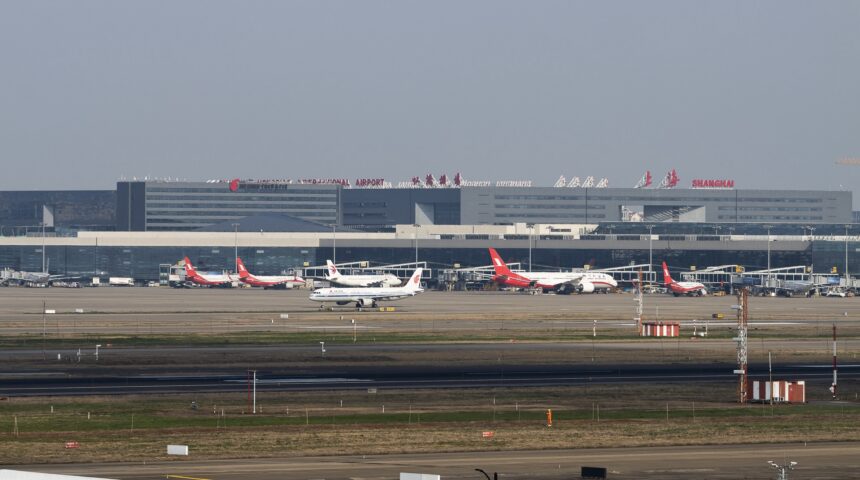
Over 1,000 flights have been cancelled over the course of two days since Typhoon Dolphin hit the East Coast of China. The cancellations are one of several measures being taken by the Chinese government to minimise the risk from high winds and torrential rain. Flights are still being cancelled at Shanghai Pudong International Airport (PVG) and Shanghai Hongqiao International Airport (SHA), but have resumed at nearby Hangzhou Xiaoshan International Airport (HGH).
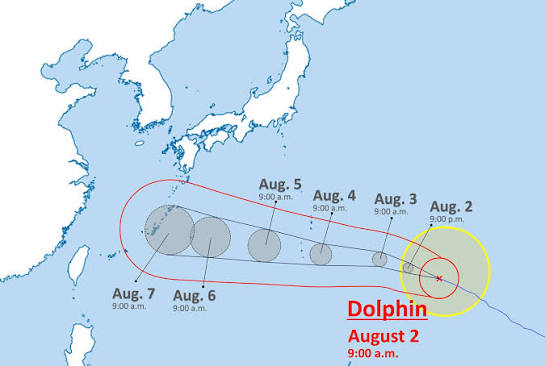
How Dangerous is The Typhoon?
China’s National Meteorological Centre have said that Typhoon Dolphin has a maximum wind speed of 151 km/h (93 mph). This would give it a similar strength to a Category 1 hurricane, and make it the most powerful storm to hit China this year.
Some parts of the country are expected to receive up to 500 mm of rain over the next week.
Dong Lin, the centre’s chief forecaster, has also said that Dolphin has an “unusually long lifespan”, potentially remaining highly dangerous for up to 15 days.
Before travelling north towards China, Dolphin brought torrential rain to the Philippines where six people have been reported dead, and a further seven missing.
Japanese authorities have also reported that five people were also injured after Dolphin hit Okinawa Island, to the south of the country’s larger islands, Saturday, Aug. 8.
How Have Flights Been Affected?
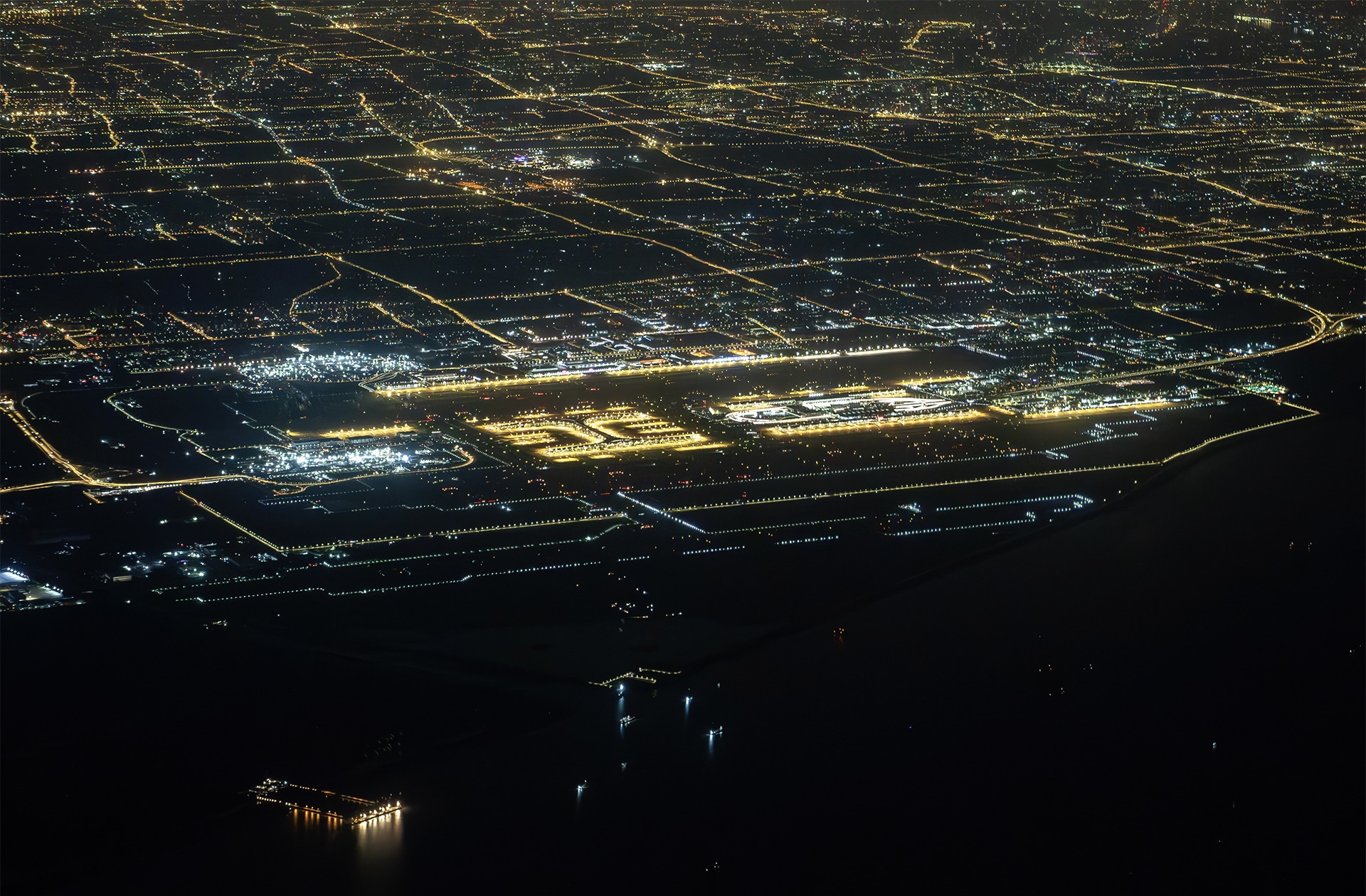
Since Typhoon Dolphin was first reported to have hit China’s Eastern Coast at 5:30 p.m. local time Sunday Aug. 9, over 2,000 flights have been cancelled.
60% of flights from PVG and SHA were cancelled from Saturday, according to Shanghai’s state owned newspaper, ‘The Paper’, along with 40% of Monday Aug. 10’s, scheduled flights.
This has had the adverse effect of potentially trapping domestic tourists in Shanghai, at a time when the Shanghai Municipal People’s Government is attempting to evacuate residents out of the city.
This followed the cancellation of 180 flights from Taiwan Taoyuan International Airport (TPE) Saturday Aug. 8.
State media say that over 30,000 people have been evacuated from high risk areas within Shanghai itself.
While a combined total of almost 1.4 million people from the nearby cities of Wenzhou and Taizhou and Fujian province, have either been evacuated or moved to emergency shelters.
What Might Happen Next?
Typhoon Dolphin is expected to move west over the next week over the provinces of Zheijang and Jiangxi. It will most likely diminish in strength as it spends more time over land, eventually being downgraded to a tropical storm.
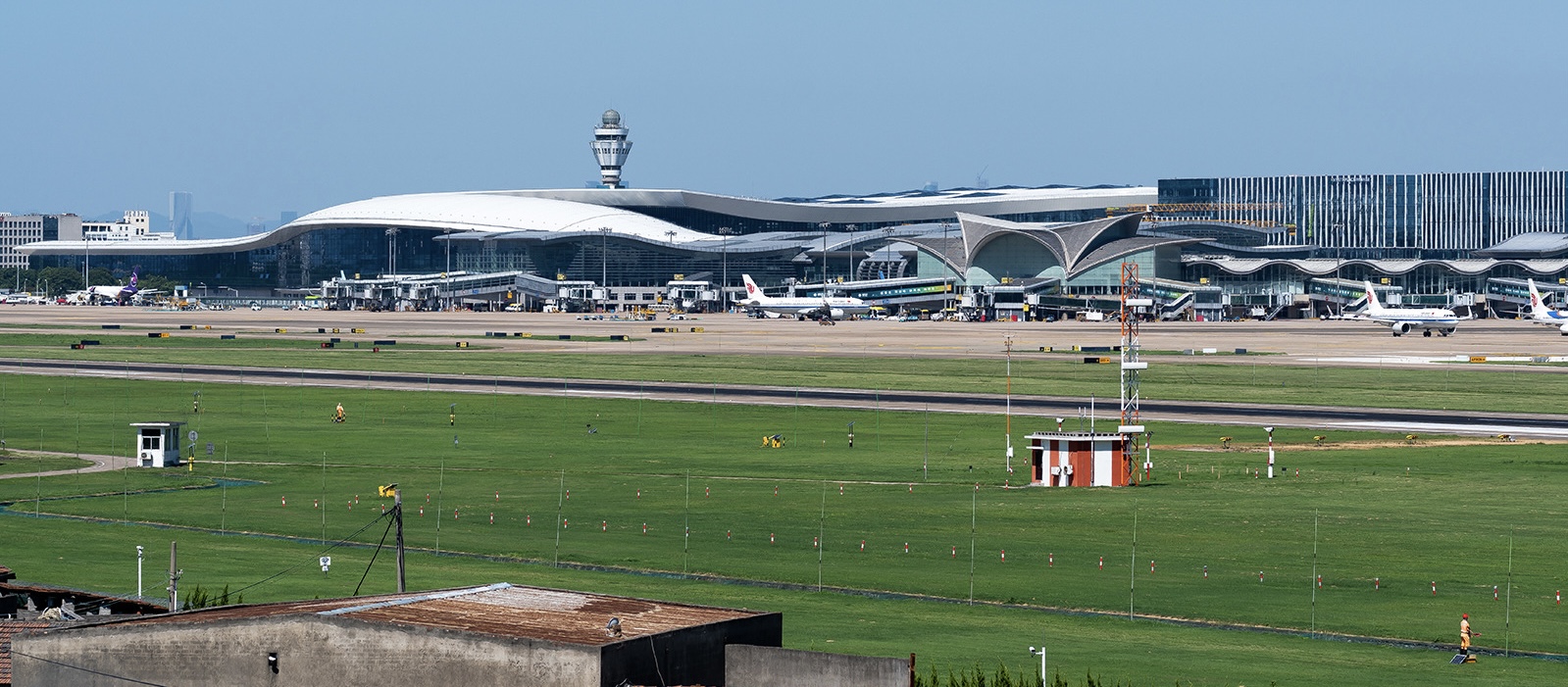
HGH airport in Zhejiang’s capital city of Hangzhou returned to normal operations at 10 a.m. Monday, Aug. 10, local time, with train services between Shanghai and Hangzhou also having resumed.
It is likely that airlines operating out of PVG and SHA will also be eager to return to regular service as soon as possible in order to allow the tourists left stranded in Shanghai to return home.
Authorities are still encouraging travellers to check flight updates regularly however.
Do you know someone living in Eastern China? Have you ever been stranded at an airport due to extreme weather? Share your story with us in the comments.