
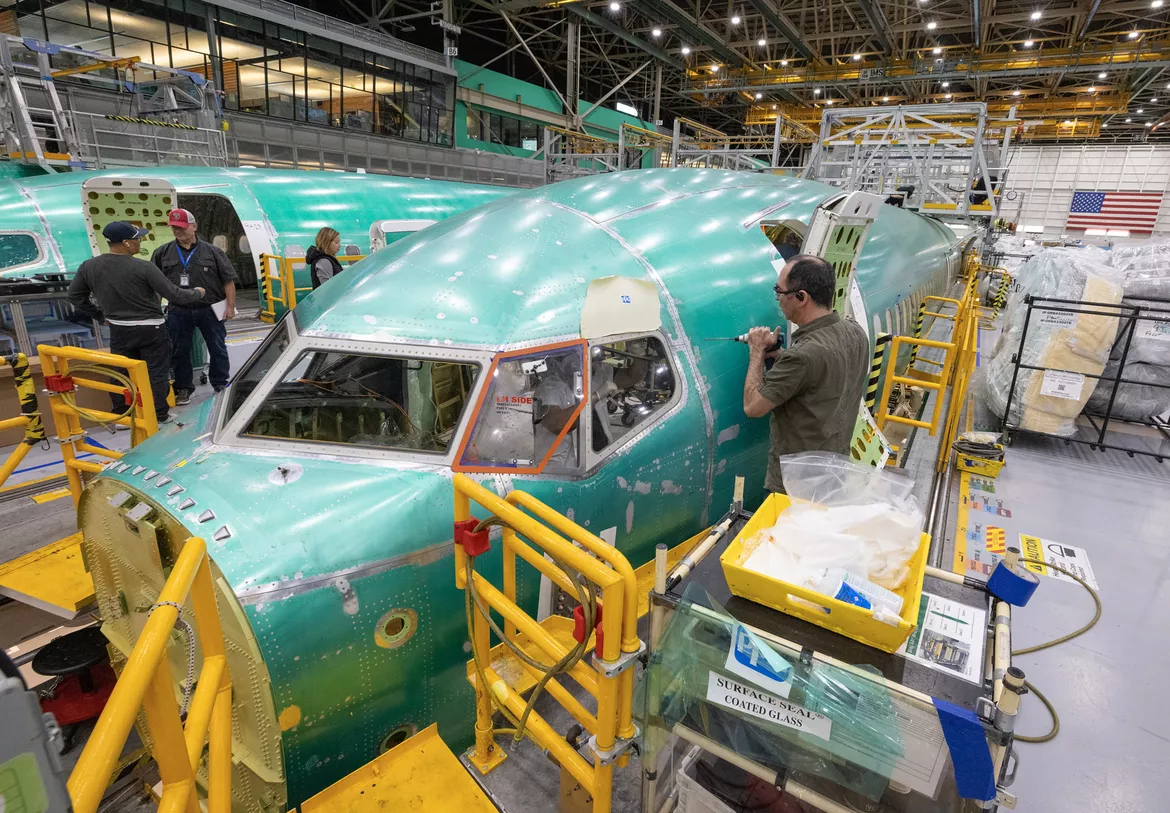
The Federal Aviation Administration (FAA) has ordered structural inspections of 471 U.S.-registered Boeing 737 MAX aircraft, targeting potential cracking near a forward service door and adding renewed regulatory pressure only weeks after allowing Boeing to resume issuing airworthiness certificates for new 737 MAX aircraft.
FAA Targets Cracking Risk
The airworthiness directive, which takes effect on Sept. 10, requires airlines to carry out visual inspections of the fuselage skin around the forward service door, focusing on a structural reinforcement known as a bear strap. The checks are designed to look for potential cracks in the area.
Any damage must be repaired before the aircraft can return to service, though the FAA has stopped short of grounding the affected aircraft, saying the mandated intervals provide multiple opportunities to identify cracks before they pose a risk to structural integrity.
Boeing says no cracks have been found on any active 737 MAX aircraft, but the FAA extended the requirement because the MAX shares key design and manufacturing features with older Boeing models where service door cracks were found, as well as earlier 737-700, -800, and -900 models that previously experienced wing-to-fuselage cracking.
The manufacturer has been working with operators on the issue since 2019 and has completed an engineering analysis to determine the cause. It is now developing design changes intended to prevent cracking in future production.
Regulations Tighten During Production
In July 2026, the FAA proposed inspections of seat assemblies on 453 Boeing 737 MAX aircraft after identifying installation concerns, and the type remains under scrutiny following the January 2024 Alaska Airlines door‑plug separation.
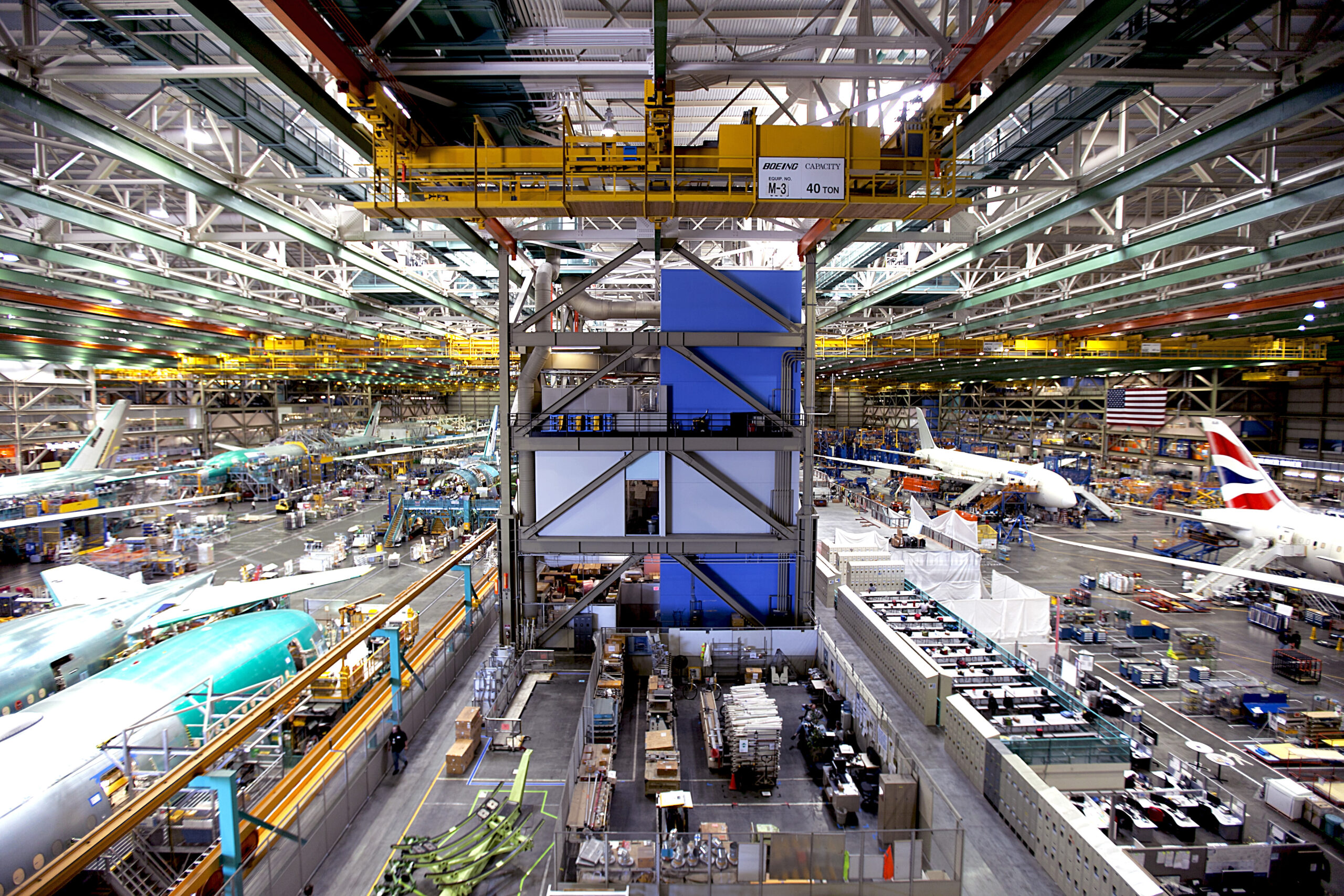
At the same time, Boeing is working to increase monthly 737 production from 42 to 47 aircraft and opened a new assembly line in Everett, Washington. The ramp‑up has added near‑term costs, contributing to a larger‑than‑expected second‑quarter loss, alongside a $280 million charge on the Air Force One program.
Do you think manufacturers should be held to stricter safety and quality standards? Let us know in the comments below.