
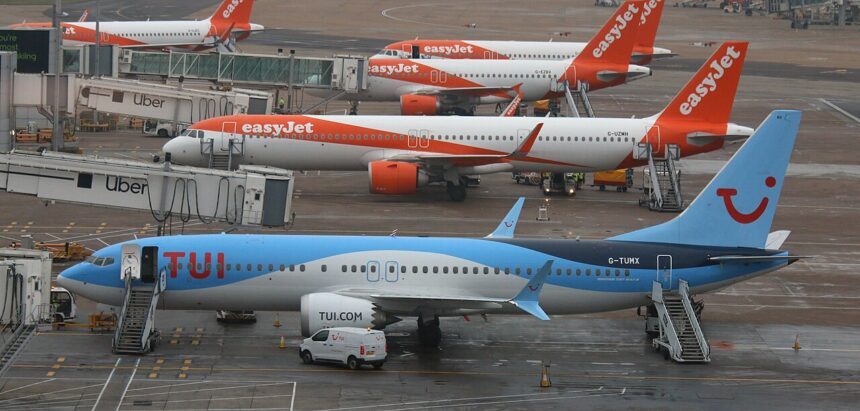
Europe’s largest tour operator, TUI Group, has reported a sharp slowdown in summer holiday bookings from U.K. customers as geopolitical tensions and rising fuel concerns weigh on consumer confidence.
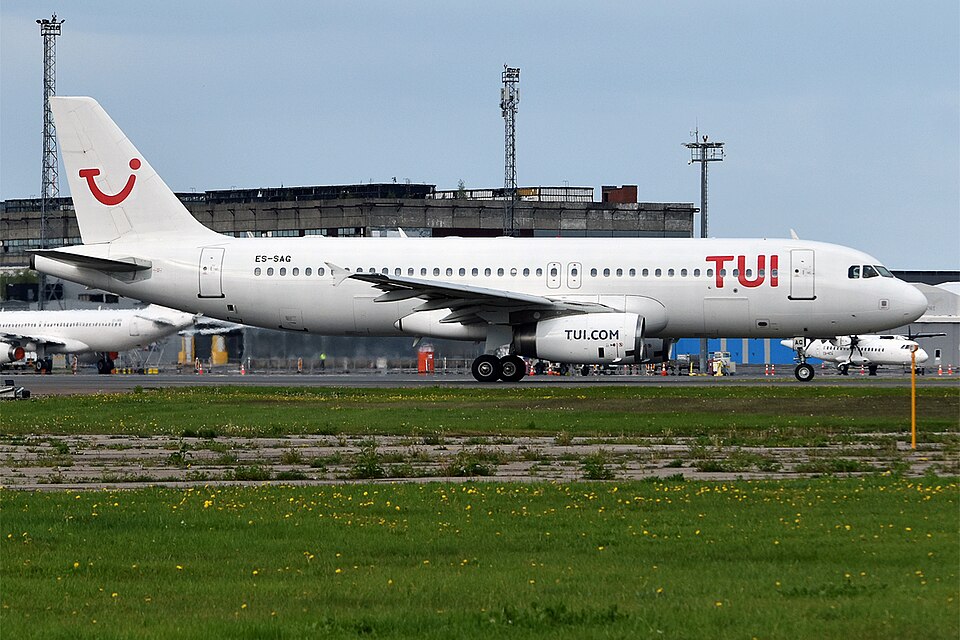
Summer Sales Fall this 2026 Amid Middle East Uncertainty
TUI said revenue from U.K. summer bookings has fallen 10% year-on-year, with customers increasingly delaying travel decisions due to uncertainty surrounding the conflict involving Iran and rising travel costs.
TUI added that demand patterns are shifting across Europe, with travellers opting for Western Mediterranean destinations over Eastern Mediterranean hotspots.
Chief executive Sebastian Ebel said the company would reduce the number of airline seats purchased from partner carriers by between 4% and 5% this summer, while maintaining its own in-house flight programme, according to the BBC. Despite concerns about fuel availability, Ebel said he did not expect immediate jet fuel shortages in the coming weeks.
The concerns stem from disruptions around the Strait of Hormuz. Airlines and travel operators across Europe have warned that prolonged instability could affect fuel supplies and increase operating costs, according to the International Air Transport Association (IATA).
TUI reported a 40 million-euro (£34.7 million) financial hit linked directly to the Middle East conflict during the first quarter of the year, citing repatriation expenses, customer welfare costs, and lost revenue. The company posted an underlying loss before interest and tax of 188 million euros for the quarter, an improvement on the 207 million euro loss recorded during the same period last year.

Airlines Brace for Higher Fuel Costs
The wider aviation industry has also begun adjusting to mounting fuel concerns. According to IATA, global passenger demand growth slowed to 2.6% in June 2025, down from stronger growth earlier in the year, partly due to disruption linked to conflict in the Middle East.
IATA data showed European passenger demand rose by 2.2% year-on-year in June, while airline capacity increased by 2.6%. Load factors across Europe remained high at 87.8%, indicating flights are still relatively full despite weaker consumer sentiment.
The organisation has warned that Europe remains highly vulnerable to jet fuel disruption because roughly 75% of the region’s imported jet fuel supply comes from the Middle East.
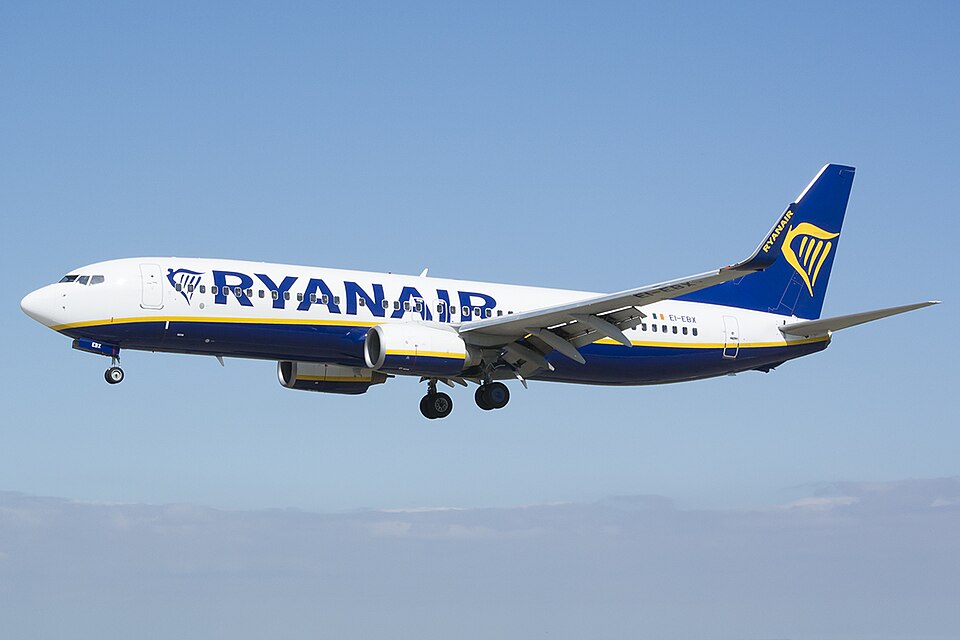
Rising fuel costs are affecting airlines, with several carriers reducing capacity, including Air India and Ryanair, while others are raising ticket prices to offset higher operating expenses. Reuters reported that some airlines are reconsidering route networks and introducing fuel surcharges as jet fuel prices remain volatile.
Consumers Become More Price-Sensitive
According to the BBC, economic uncertainty is reshaping booking behaviour among British consumers.
Investment platform AJ Bell said holidaymakers are becoming increasingly cautious as headlines around fuel shortages and inflation continue to dominate. Russ Mould, the firm’s investment director, said consumers were “getting jittery” despite industry reassurances over fuel supply.
Meanwhile, Hargreaves Lansdown analyst Aarin Chiekrie said customers were still planning holidays but were waiting longer before committing to bookings.
Irene Hays, owner of U.K. travel agency Hays Travel, said booking windows had shortened significantly over the past year. Customers who previously booked more than seven months in advance were now typically booking around 16 weeks before departure.
Despite the slowdown in some traditional Mediterranean routes, Hays said demand remained strong for cruise holidays and escorted tours, while destinations such as Canada, Japan, Australia, South Africa and Thailand had seen growing popularity among U.K. travellers.
What do you think about the fall in TUI summer bookings in the U.K.? Let us know in the comments below.