A list of policy requests for the UK government has been prepared, demanding the relaxation of noise, tax, and fuel regulations for airlines. The continued blockade of the Strait of Hormuz, amidst the war between the U.S. and Iran, has resulted in fears of global fuel shortages and its consequences. Though it attempts to mediate potential problems for aviation that a global fuel shortage would cause, this list is not without its own controversial suggestions.

Outrageous Demands, or Contingency Plan for Fuel Shortage?
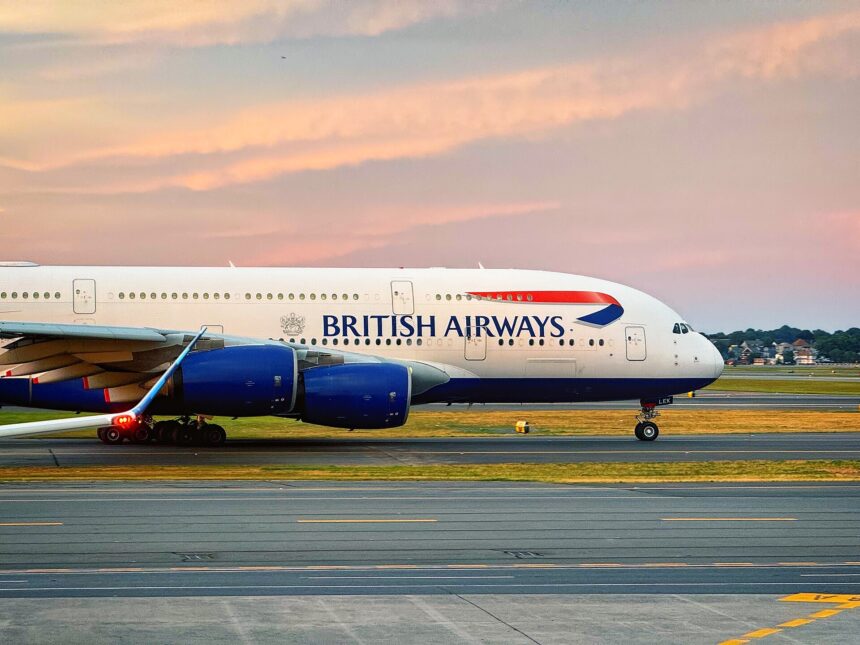
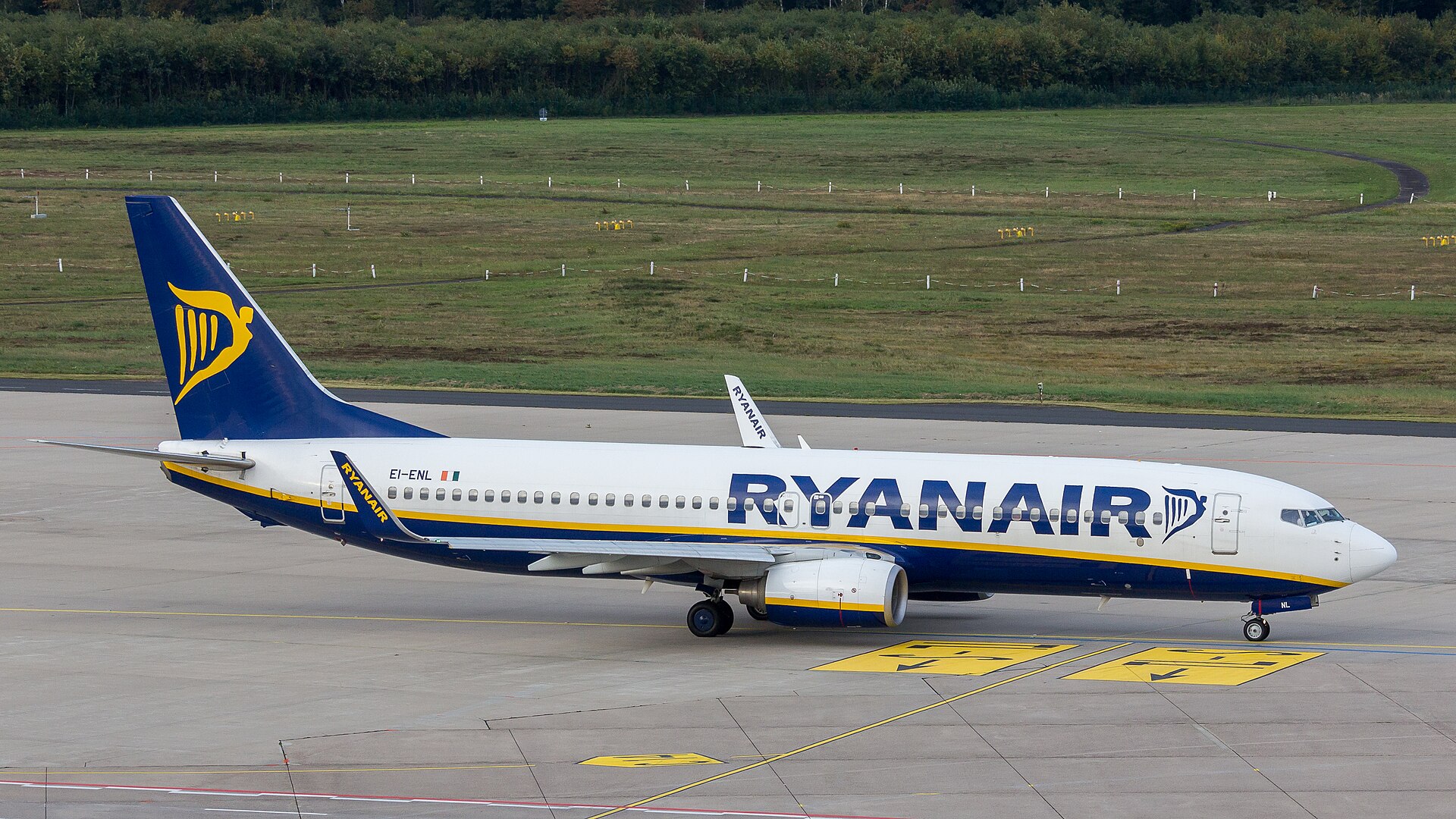
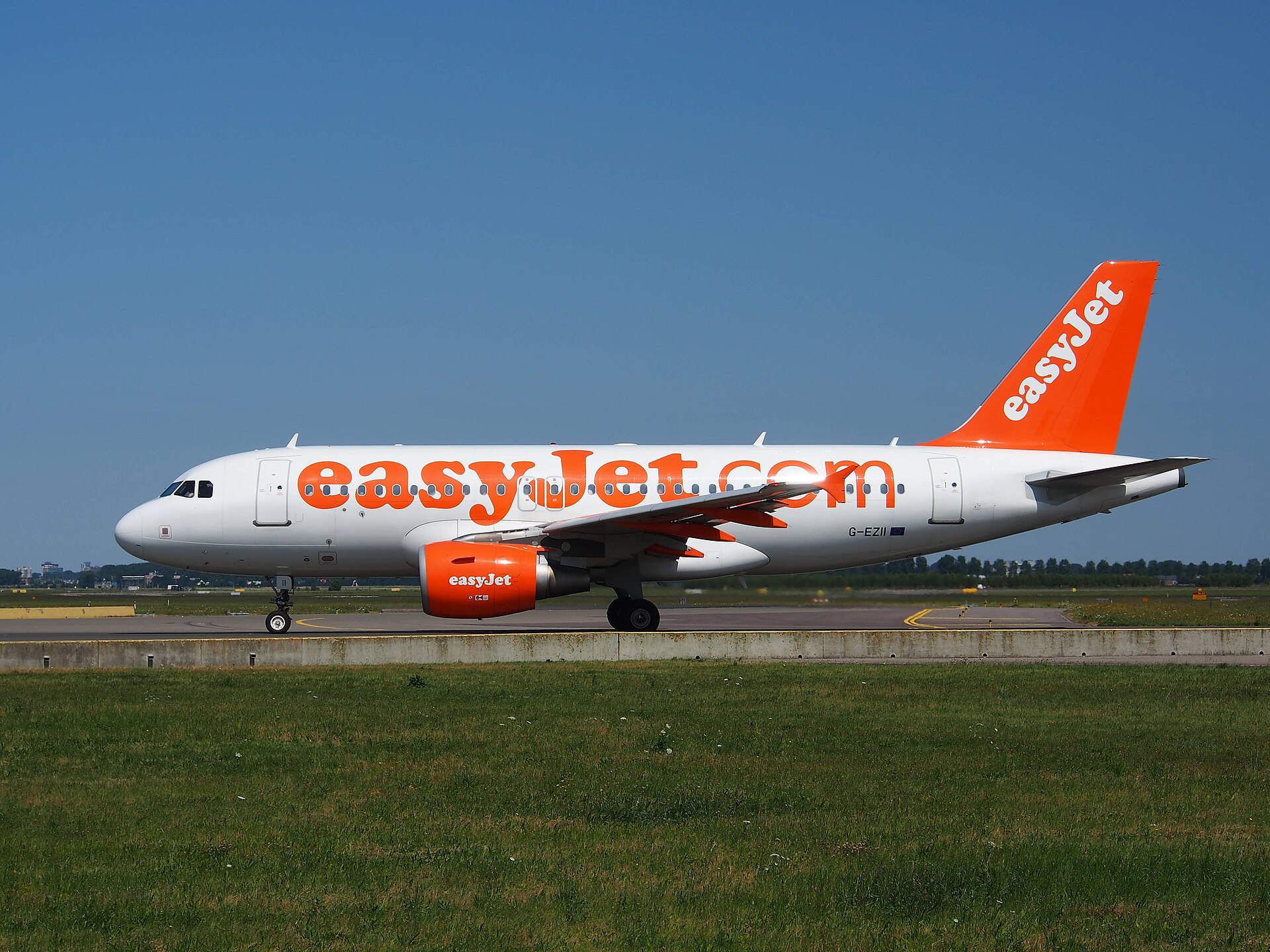
The active war in the Middle East has caused multiple airlines to begin lobbying the UK government for leniency on a range of rules and regulations, to ensure flight operations even in the midst of global instability. Summarised into a briefing document, the list of demands was prepared by Airlines UK, the primary trade body representing UK-registered airlines, and reportedly presented to UK ministers and aviation regulators. The document was composed on behalf of a range of British carriers, including British Airways, Ryanair, TUI, easyJet, Jet2, and Virgin. It asserted that airlines would be left with no choice but to reduce capacity, cut flights, and increase fares if the disruption to fuel supplies continued or worsened.
This emerges after anxieties of a dwindling fuel supply were heightened by the International Energy Agency’s announcement last week, which revealed that Europe only had around six weeks of jet fuel left, meaning that cancellations would soon begin if oil supplies were not replenished. Further highlighting the potential struggles airlines could face in the event that fuel supplies worsened, the briefing document demanded an easing of noise limitations, taxation, passenger rights, environmental considerations, and import restrictions.
The list called for the scrapping of the ‘use it or lose it’ mandate, which requires airlines to use 80% of their allocated runway spots in order to avoid losing them in the following season. The requirement was actually adjusted during the Covid 19 pandemic to account for the unforeseen impact on aviation, and so has already been made more lenient. Despite the purpose of the rule being to ensure airlines are utilising slots effectively over the year, many carriers complain that this policy results in ‘ghost flights’, whereby airlines allow flights with minimal or no passengers, wasting money and resources.
Another industry request outlined in the briefing document was to abandon European jet fuel standards to allow airlines to import Jet A fuel from America, to keep up with fuel needs. This is currently prohibited due to the fuel’s higher freezing point.
Controversial Points and Potential Issues
There are some controversial and potentially quite problematic requests within the briefing document. For example, the list of demands proposes a modification of passenger rights, as well as a temporary suspension of regulations that consider the comfort of airport locals. These are suggested to allow airlines to prepare for the flight cancellations that would accompany any potential fuel shortages.
The document reveals that airlines are seeking to cut compensation for passengers if their flights are cancelled or delayed as a consequence of fuel scarcity. To do this, they aim to include fuel-related disruption as an ‘extraordinary circumstance’. If accepted, this would result in stranded passengers only being entitled a direct refund, with no further pay-out available to account for personal impact.
Perhaps one of the most concerning proposals of the document, particularly for those living around airports or along a flight paths, is the recommendation to temporarily relax night flying restrictions. These constraints are in place to reduce overall noise pollution, as well as allow people who live near airports or along flight routes peace and quiet at night, and so suspension of such restrictions would not be welcomed by these communities.
Moreover, the briefing document calls for the temporary suspension of the Emissions Trading Schemes which, sets a cap on emissions and creates a carbon price for high emission industries such as aviation. Airlines claim the suspension of this scheme would aim to cut costs during a period when fuel prices are soaring. This is particularly controversial suggestion due to the scheme being one of the UK’s key efforts to combat climate change and incentivise decarbonisation, and to suspend it would disrupt progress to achieving net zero by 2050.
Where Does The UK Stand In The Oil Crisis?
Despite presenting government ministers and travel regulators with these demands, UK airlines currently maintain that, they are not suffering a fuel shortage. Accordingly, a government spokesperson said:
“UK airlines are clear that they are currently not seeing a shortage of jet fuel. We continue to work with fuel suppliers, airlines and international counterparts on our contingency planning, to ensure people keep moving and businesses are supported while the conflict is ongoing. Our overriding priority is to de-escalate this conflict, open up the strait and prevent disruption to passengers.”
At present, fuel levels seem to be under control in the UK. As such, this list of policy adaptations and requests could represent a preventative contingency plan that aims to prevent any problems that may arise in the event that a fuel shortage occurs. As with most risk mitigation when facing a crisis, the briefing document is not without its potentially controversial suggestions.
What do you think about the list of policy requests? Let us know in the comments.