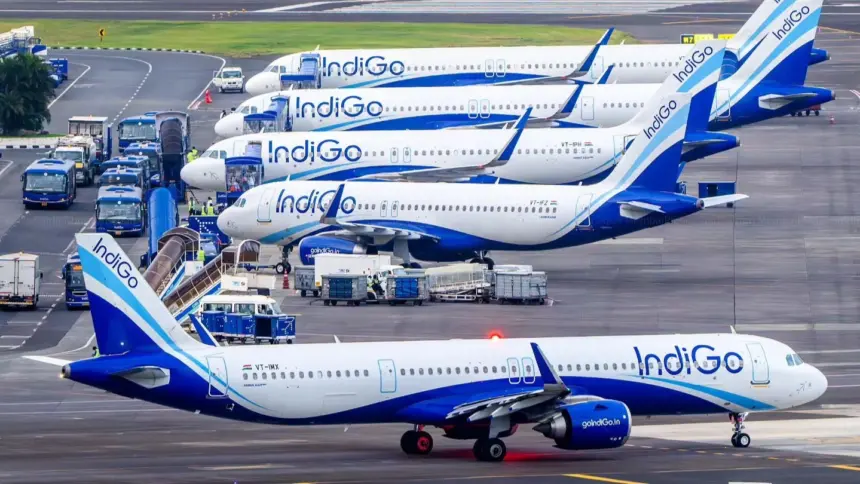
IndiGo began operations on Aug. 4, 2006, with a small fleet. Twenty years later, it holds more than 66% of India’s domestic market, operates over 2,200 daily flights, and ranks as the world’s eighth‑largest airline by departures. As the carrier marks its anniversary, it is preparing for a shift in strategy. Under new CEO Willie Walsh, who assumed the role on Aug. 3, 2026, IndiGo is planning an international expansion that marks a departure from its historically domestic focus.
Fleet Growth and International Strategy
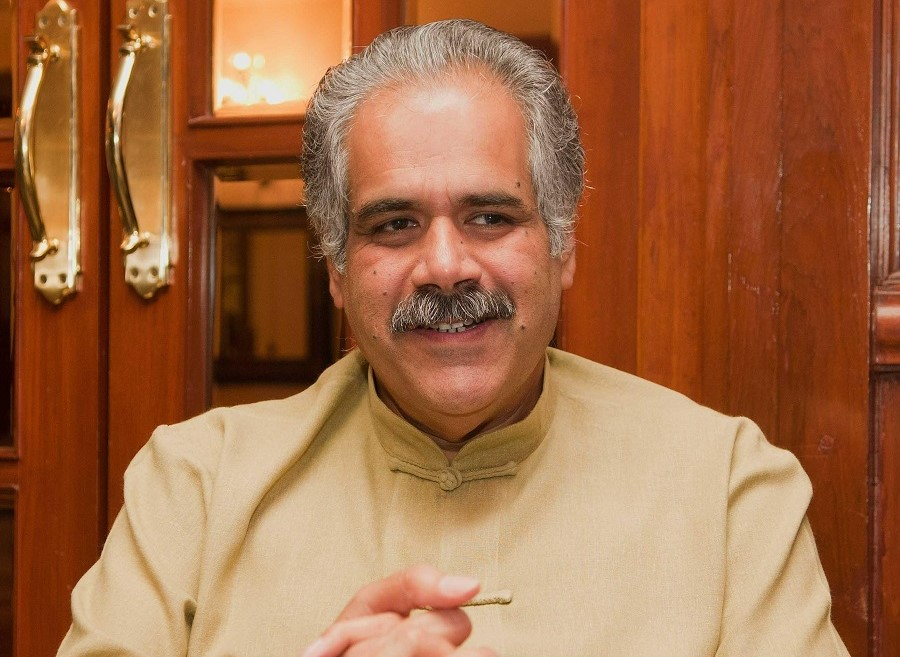
To support its international expansion, IndiGo has built an order book exceeding 900 aircraft, including Airbus A321XLRs and A350‑900 wide‑bodies arriving from 2028. The airline’s strategy differs from hub‑centric Gulf models, instead prioritising Indian outbound travellers and the global Indian diaspora. Cofounder and Managing Director Rahul Bhatia said:
“Gulf carriers have captured much of India’s international traffic, resulting in Indian economic value flowing overseas. The onus lies with airlines like IndiGo and Air India to bring all that economic wealth back.”
Despite the scale of IndiGo’s future fleet, he emphasised that the airline remains fundamentally domestic in orientation, noting that the core of the company is in its domestic network. As part of its evolving product strategy, IndiGo has introduced IndiGoStretch premium seating and launched BluChip, its first loyalty programme.
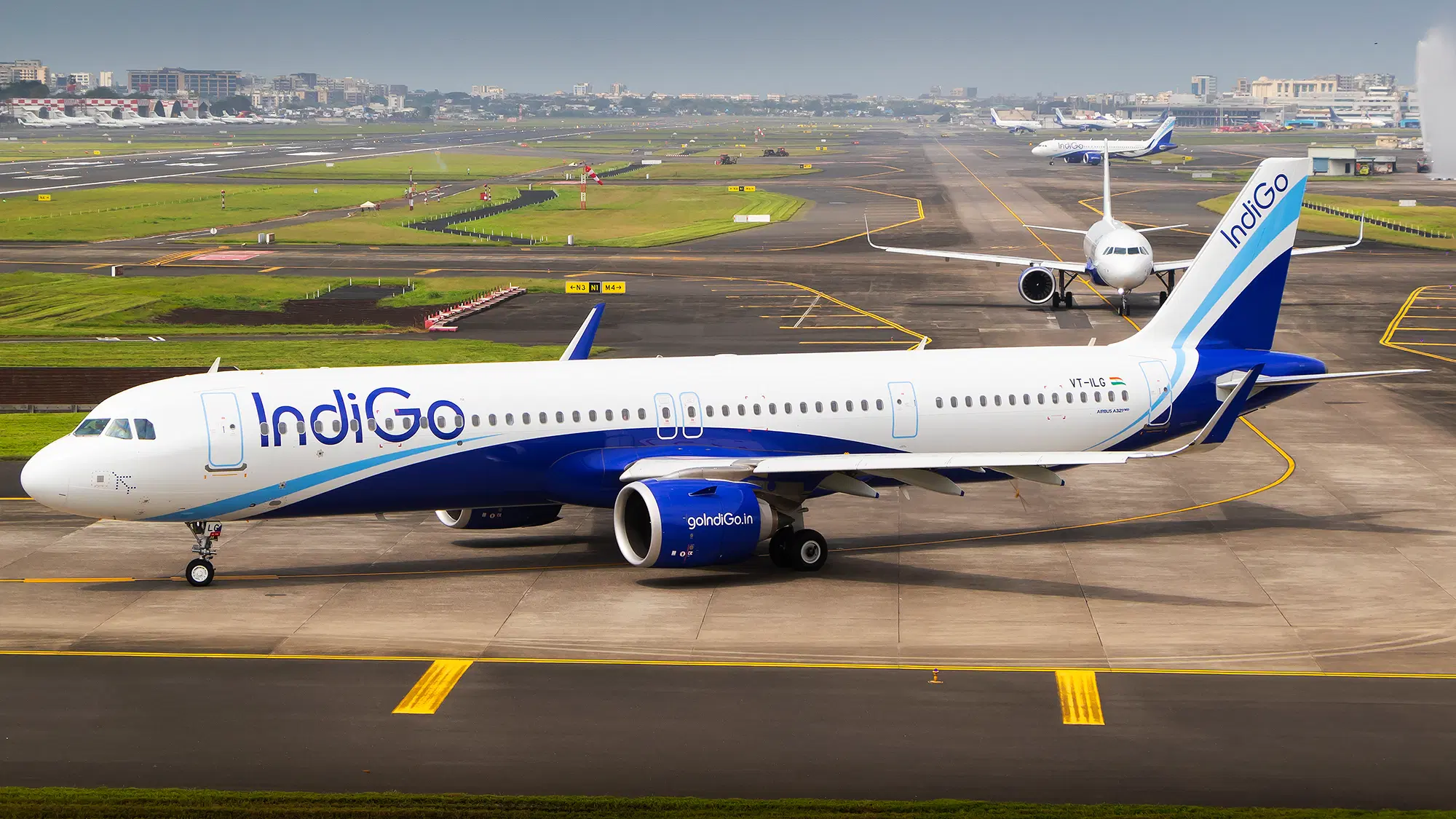
Operation, Competitive and Structural Challenges
IndiGo’s shift from a single‑class, point‑to‑point domestic operation to long‑haul, multi‑cabin flying introduces far greater organisational and operational complexity. The move affects maintenance planning, crew training, catering and premium service delivery, as well as the management of connections and international disruptions. The airline’s standardised processes will need to evolve, and IndiGo’s iFLY Academy – which trains more than 2,000 aviation professionals – will require further scaling to support long‑haul operations.
External pressures are adding to the challenge. Airspace restrictions linked to the West Asia conflict forced IndiGo to end its temporary Norse Atlantic Boeing 787 damp‑lease operations by late October 2026. At home, competition from a revitalised Air India and the continued growth of Akasa Air is intensifying. Revised pilot duty‑time regulations introduced in December 2025 exposed vulnerabilities in IndiGo’s highly optimised scheduling systems, leading to widespread cancellations.
To strengthen financial flexibility and mitigate supply‑chain delays, IndiGo is shifting from operating leases to finance leases. Looking ahead, the airline aims to blend its cost‑focused operating model with the broader requirements of international aviation. Long‑haul strategy will remain centred on Indian travellers and diaspora markets, with foreign‑to‑foreign connecting traffic not core to the airline’s growth ambitions.
Which international routes do you think IndiGo should prioritise first? Let us know in the comments below.