
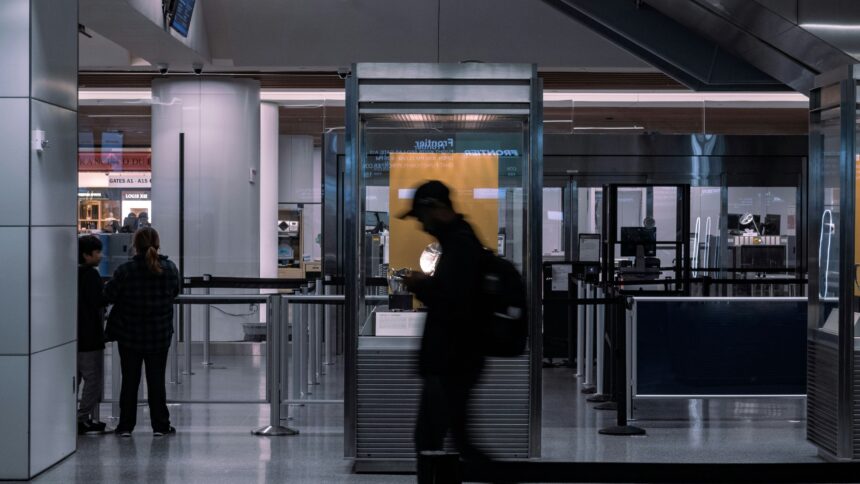
Australia is set to upgrade the mandatory documentation submission process for arriving passengers from paper to digital. This comes as part of a $56.1 million modernisation initiative intended to be implemented by the end of 2027.
Digital Modernisation Initiative
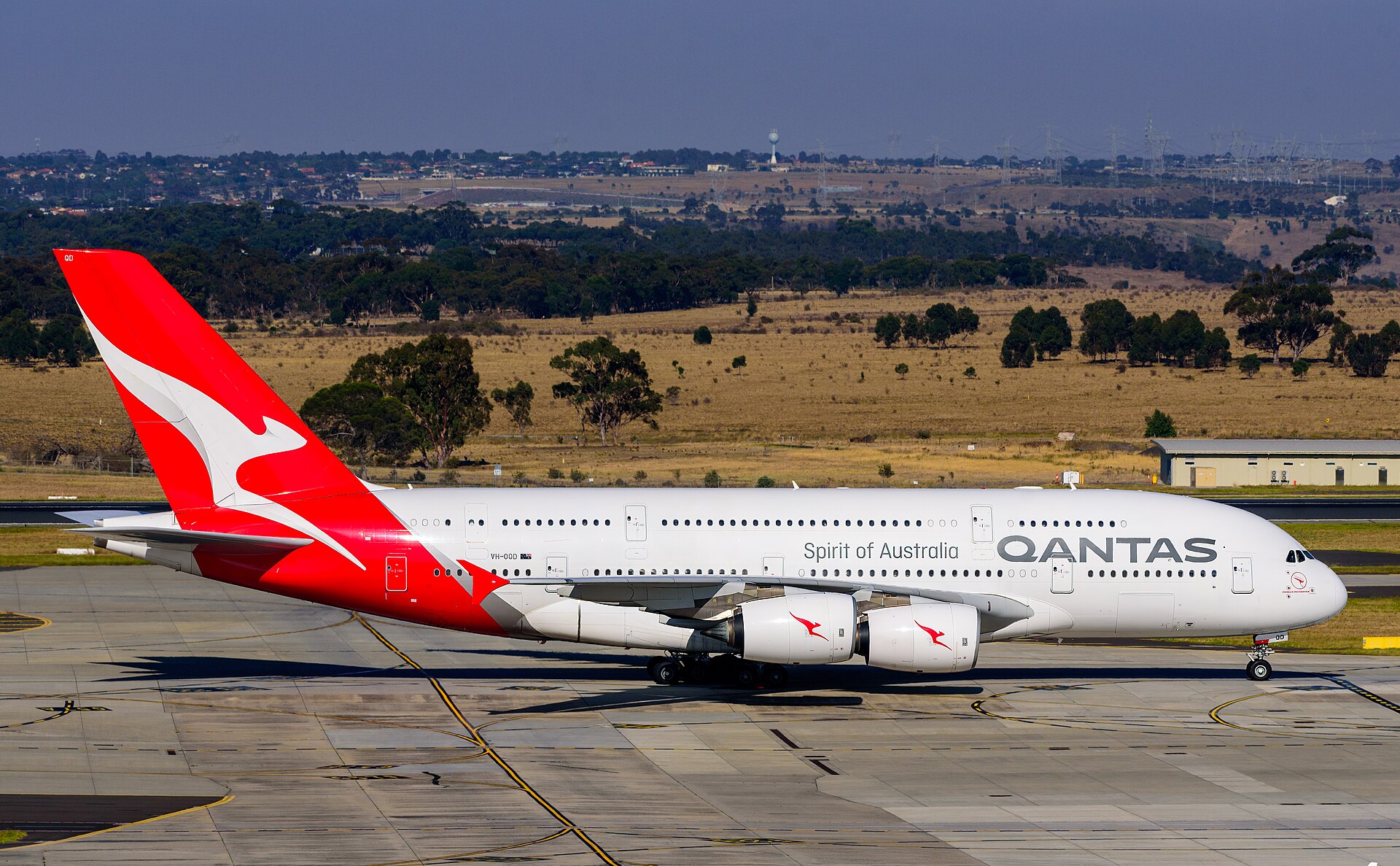
It has been reported that the Federal Government of Australia and Qantas, the Australian flag carrier, plan to expand the digital Australia Travel Declaration (ATD) programme as an alternative to the paper system. The ATD is a digital submission of mandatory documentation required for international travellers to enter Australia. It collects essential information about identity, travel details, health, customs, and items travellers are bringing into the country.
Previously, incoming passengers had to physically fill out a paper Incoming Passenger Card (IPC) upon arrival in Australia, a protocol many saw as outdated. In August of 2024, a new system, called the ATD, was introduced on a trial basis to allow arriving passengers to fill out and submit the required documentation online, aiming to save travellers and border officials time and energy. Since the beginning of the trial, 450,000 people have tested the system, and it has been deemed successful enough to roll out on a broader, permanent basis.
The ATD can be completed via the Qantas app for eligible flights, up to 72 hours before departure. A QR code is generated after submission, which can be presented to Australian Border Force officers on arrival. Currently, eligibility requirements for individuals to participate in the ATD programme include the ability to use the kiosks and SmartGates at airports and to complete the declaration in English. As a result, the paper IPC is still available on arrival for flights or airports not participating in the digital pilot or in the event of technical issues while attempting to fill out or change the ATD.
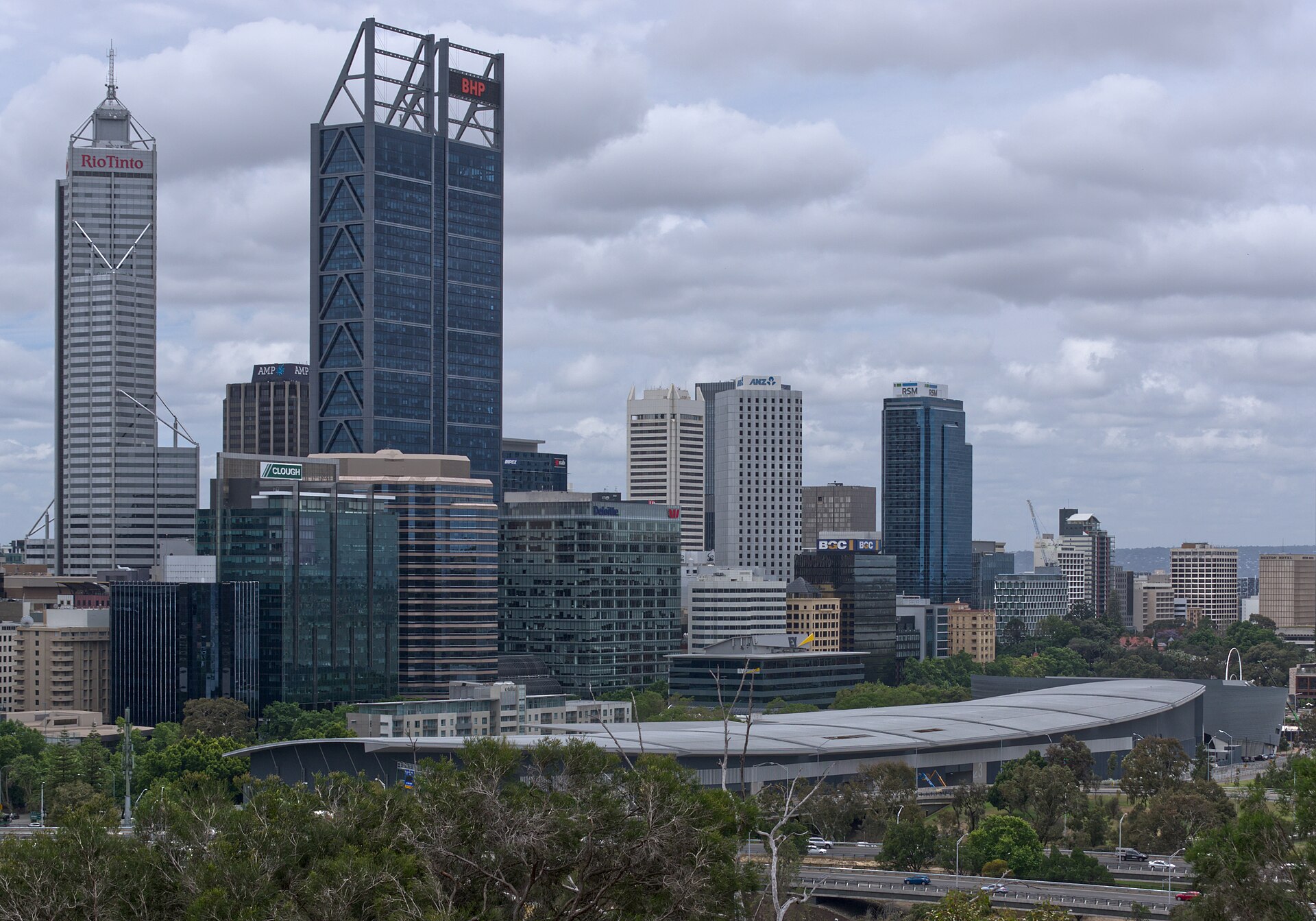
The government is currently working with industry professionals to expand ATD’s in-app functionality and design. Initially, the ATD system will be implemented at the main city airports, including Perth and Adelaide, before being phased in across all international airports and seaports in Australia over the next 12 to 18 months.
Well-received Change
The wider Australian industry has welcomed the new digital system. It has been a popular decision across the board, with industry specialists and government officials emphasising that it will bolster security and generally improve the border processes for everyone involved.
Agriculture Minister Julie Collins has argued that the ATD is integral to modernising the Australian border and strengthening biosecurity systems, which are in place to protect people, the environment, food security and the economy. Collins further commented:
“The Australia Travel Declaration will strengthen Australia’s biosecurity by providing better quality information earlier, helping us identify and respond to potential biosecurity risks before they reach our shores. This investment ensures Australia’s border keeps pace with growing traveller numbers and emerging global biosecurity threats, helping protect our world-leading biosecurity system while delivering a better experience for international travellers.”
The CEO of the Australian Airports Association (AAA), Simon Westaway, a long-time advocate for border modernisation, stated:
“International travel has been the primary driver of aviation growth in the past few years, so it’s vital that we make the border processes as smooth as possible. Seamless travel upgrades like this help ensure that Australia keeps pace with leading international border systems and add to the positive experience for both tourists and residents.”
The AAA has also noted that Australia’s airports expect international passenger movement to rise significantly, with some estimates suggesting it could increase from 45 million in 2025 to over 86 million by 2040.
Margy Osmond, CEO of the Tourism & Transport Forum (TTF), praised ATD’s announcement, asserting that it brings Australia’s border into the digital age and represents a positive step for the Australian aviation industry. She commented:
“As digital passenger cards are rolled out at international airports across Australia over the next 18 months, we’ll see less paperwork, fewer queues and a safer, more secure arrival experience for millions of travellers. Australia is competing with destinations around the world that have already embraced digital borders. First impressions matter and the arrival experience shapes how international visitors feel about Australia before they’ve even left the airport.”
Osmond concluded by highlighting that the transition symbolises investment in the future of the aviation industry, emphasising that a clear vision for border technology allows Australian airports to confidently invest in developing and designing terminals around the passenger experience of the future.
What do you think about the widespread implementation of digital travel documentation? Let us know in the comments.