Global air passenger demand fell by 3.4% in April 2026 compared to April 2025 as the ongoing conflict in the Middle East continued to disrupt travel patterns and increase fuel costs, according to new figures released by the International Air Transport Association (IATA). The industry body said the decline was largely driven by a major drop in traffic among Middle East-based airlines.

Middle Eastern airlines saw biggest decline
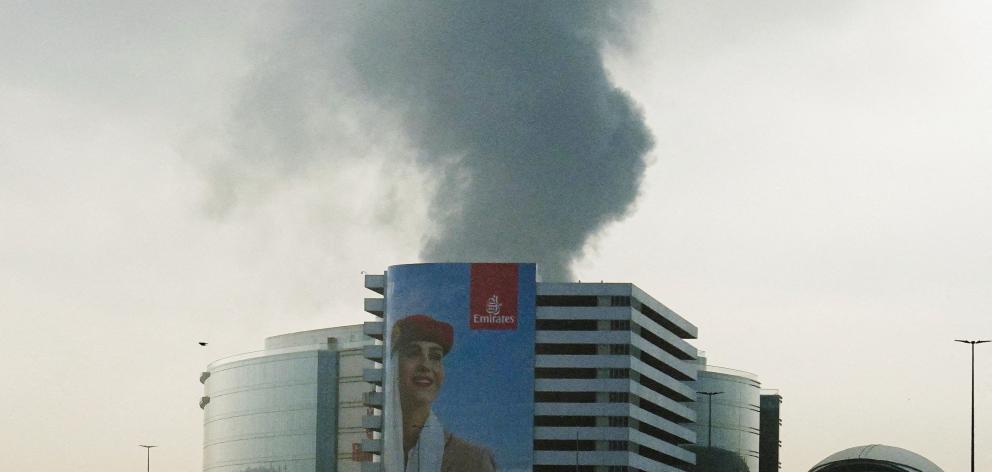
IATA reported that demand for carriers in the Middle East fell by 46.6% year on year in April, while international traffic for the region dropped by 48.1%. Capacity also declined significantly as airlines reduced services amid the ongoing regional instability.
IATA’s director general, Willie Walsh, said the impact on the aviation sector has been severe:
“The 46.6% fall in demand for carriers in the Middle East due to war in the region was so acute that it dragged overall demand down -3.4%.”
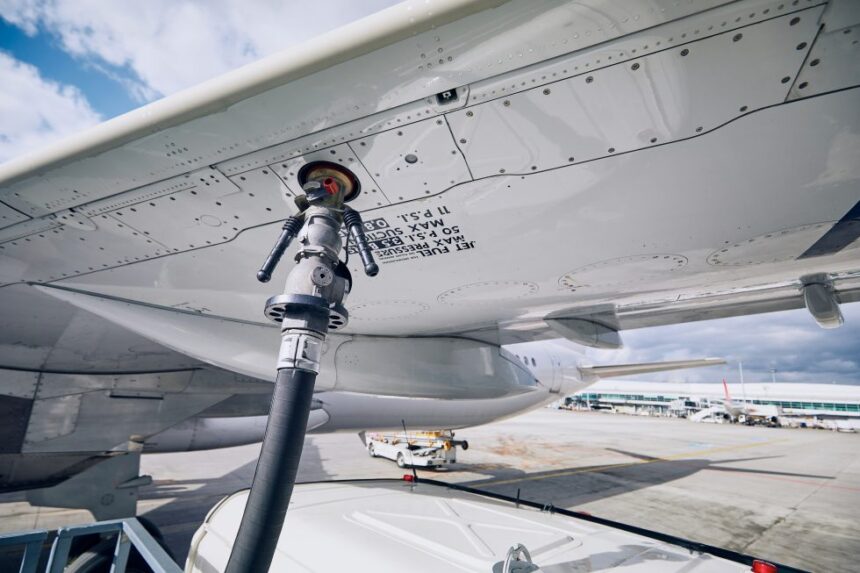
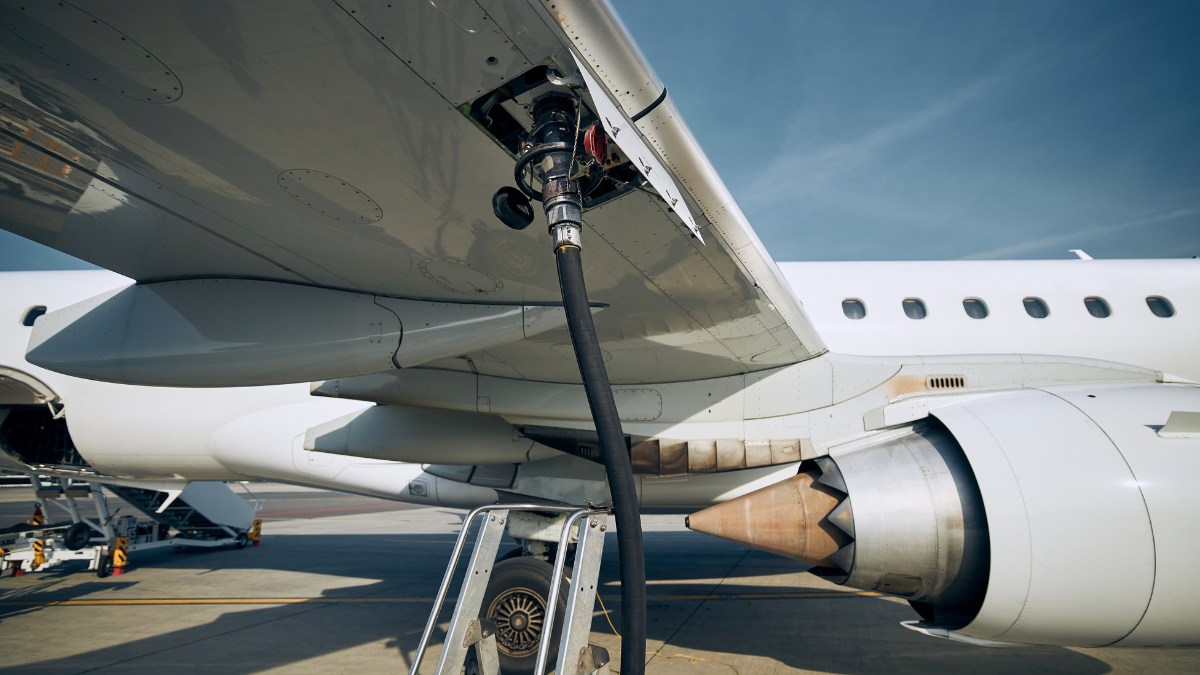
Walsh also warned that the situation remains “highly volatile” as airlines continue to deal with sharply rising fuel prices and weaker passenger demand. According to IATA, jet fuel costs have more than doubled in the past year, increasing pressure on airlines and contributing to higher ticket prices globally.
Other regions continued to grow
Despite the overall decline, some regions still recorded passenger growth. Outside the Middle East, global demand actually increased by 1.2%, and international traffic outside the region rose by 1.9%.
Asia-Pacific airlines reported a 3% rise in international demand, while European airlines saw smaller growth of 0.9%. Latin American airlines recorded the strongest growth at 8.9%.
IATA also noted that some European routes benefited as passengers avoided transfers through Gulf hubs such as Dubai and Doha, with direct traffic between Europe and Asia increasing by 15.3%.
Airlines balance cost and fewer bookings
The latest figures suggest airlines are beginning to adjust schedules in response to softer demand and rising operational costs. IATA said forward booking data points to fewer flights being offered in the coming months as carriers attempt to balance fuel expenses with declining passenger confidence.
The wider aviation industry has also been affected by disruptions to fuel supply routes, with several airlines reducing or suspending services to destinations across the Middle East in recent months.
Have you been affected by cancelled flights due to the fuel shortage? Let us know in the comments below.