Not long ago, luxury in the sky was largely reserved for a select few. First-class cabins occupied the front of the aircraft, business class provided a compromise, and the vast majority of passengers squeezed into economy seats for the journey ahead. Today, the economics of aviation are shifting dramatically. Across the industry, airlines are investing billions in private suites, onboard lounges, fine dining experiences and exclusive airport facilities. The race is no longer about transporting passengers from A to B, it is about creating an experience that begins long before take-off and continues well after landing.
The Rise of Premium Leisure Travel
For carriers competing on the world’s busiest long-haul routes, premium travellers have become the most valuable customers in the sky.
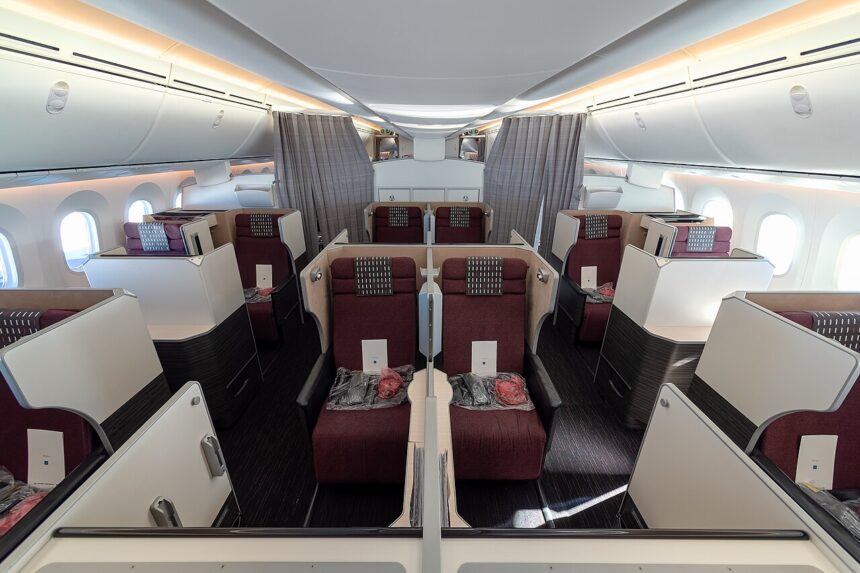
Airlines such as Emirates, Qatar Airways, Virgin Atlantic and Air France are redesigning cabins to resemble boutique hotel suites rather than traditional airline seating. Sliding privacy doors, lie-flat beds, personal wardrobes, gourmet dining menus and large entertainment screens have become standard features in the battle for high-spending passengers.
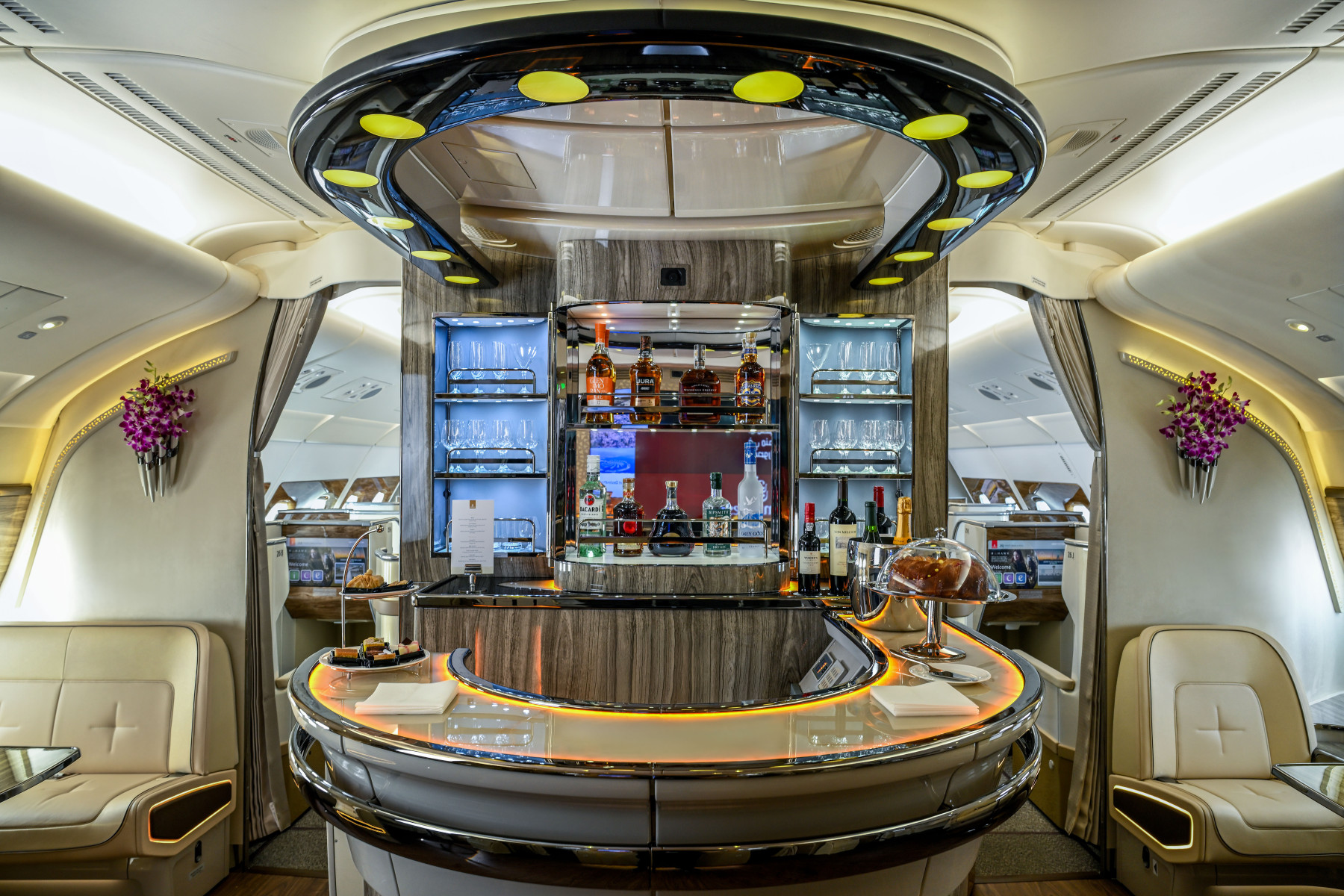
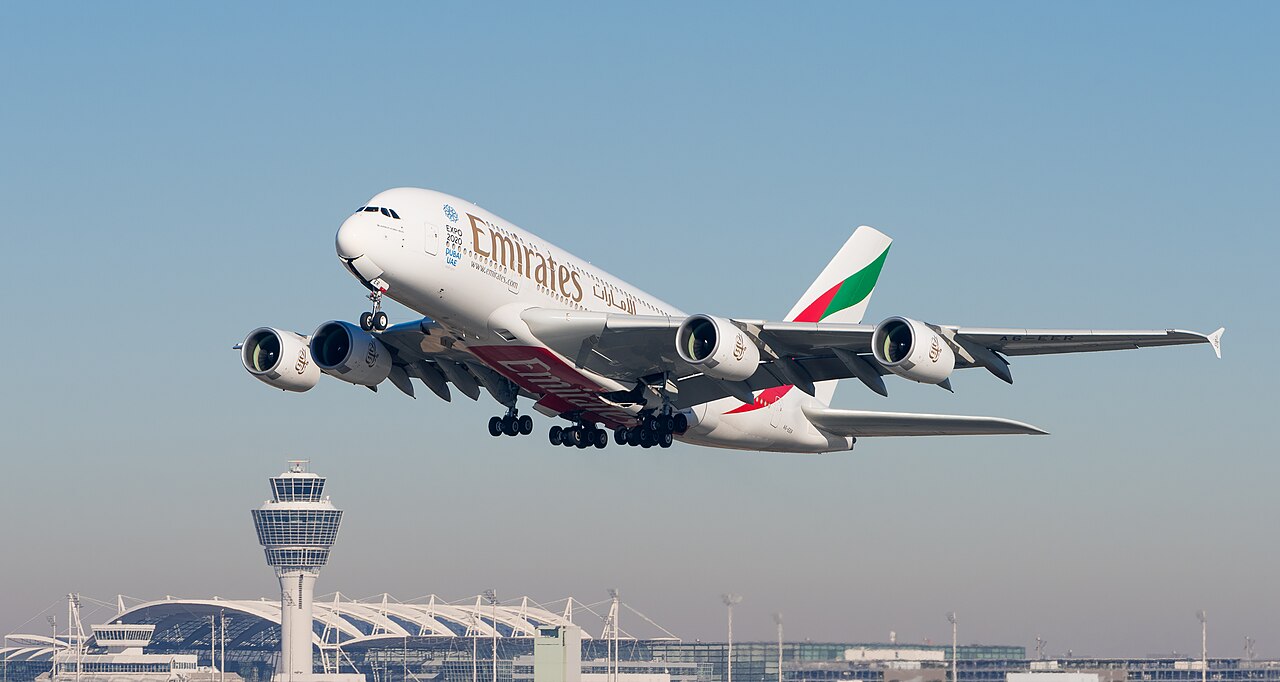
Emirates remains one of the industry’s benchmark luxury carriers. Its First Class Suite offers floor-to-ceiling privacy doors, virtual windows on select aircraft and on-demand dining. The airline’s iconic onboard lounge and shower spa aboard the Airbus A380 have become symbols of aviation luxury, attracting affluent leisure travellers as much as traditional business customers.
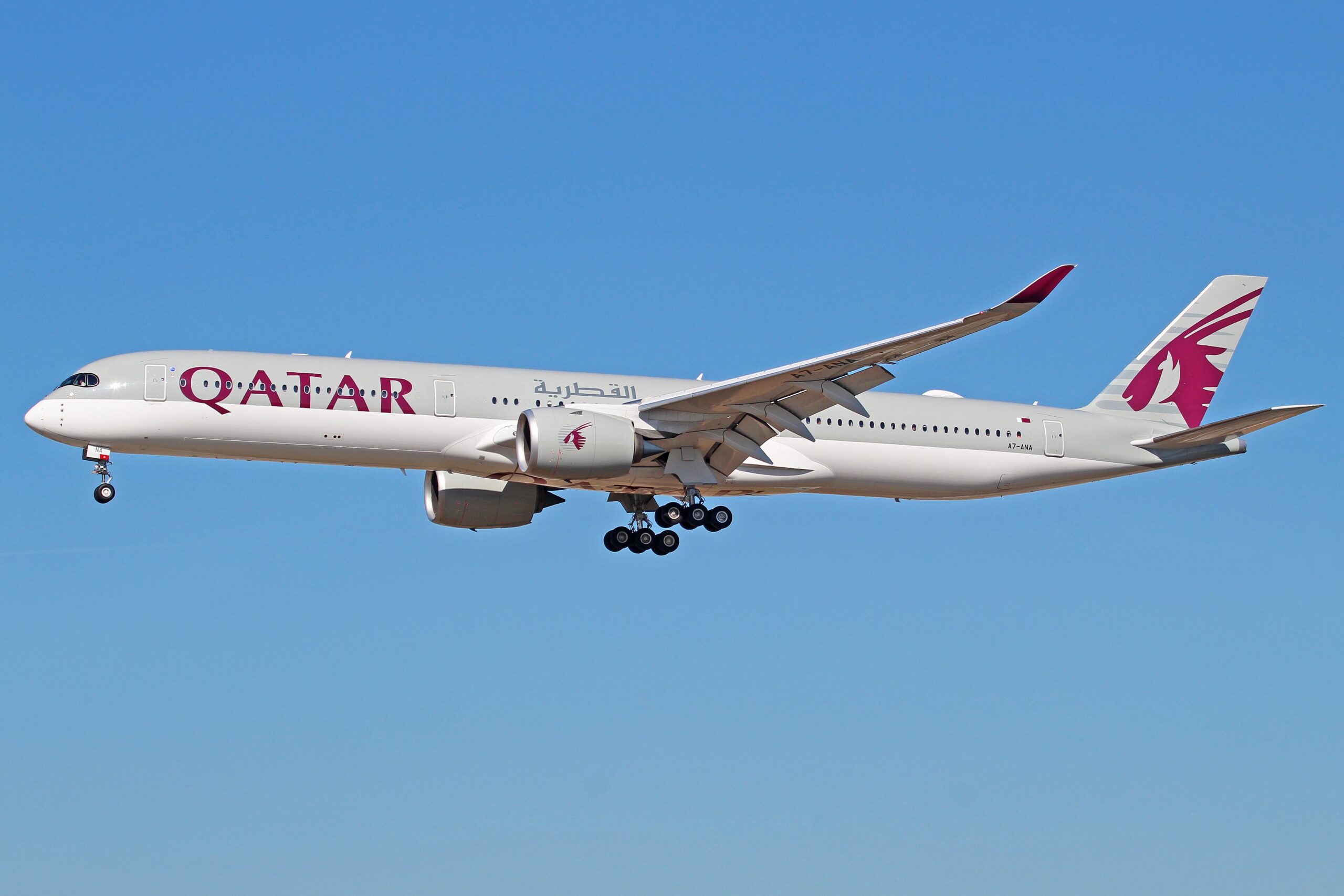
Meanwhile, Qatar Airways’ award-winning Qsuite has transformed business-class expectations. With configurable seating arrangements that can create private spaces for couples, families or business meetings, the product blurred the traditional boundaries between business and first class.
Virgin Atlantic has taken a different approach. The airline recently unveiled plans for expanded premium cabins and redesigned social spaces onboard its aircraft, recognising growing demand from travellers willing to spend more for comfort and exclusivity. Rather than focusing solely on corporate customers, Virgin is targeting affluent leisure travellers seeking premium experiences for holidays, honeymoons and special occasions.
Air France has elevated luxury further with its latest La Première suite, which features a dedicated armchair, chaise longue and a private sleeping area spanning multiple windows. The product reflects a broader trend among airlines: fewer seats, more space and significantly higher revenue per passenger.
Why Premium Passengers Matter More Than Ever
The pandemic fundamentally changed travel behavior. Global luxury travel has been growing at roughly 7 to 10% Compound Annual Growth Rate (CAGR) since the pandemic recovery period, according to Grand View Research, outpacing the broader travel market. As remote work became commonplace and affluent consumers accumulated savings during lockdowns, a new category of traveller emerged. Rather than waiting for retirement, wealthy individuals began prioritising experiences, luxury holidays and bucket-list journeys.
Airlines now report that many of their highest-paying customers are travelling for personal reasons rather than business. According to Forbes, honeymooners are booking business class for long-haul trips to the Maldives. Families are upgrading for once-in-a-lifetime journeys to Japan. Couples are choosing premium cabins for anniversary celebrations and luxury escapes.
This shift has encouraged airlines to rethink their cabin strategies. The focus is no longer solely on attracting corporate accounts but on appealing directly to affluent consumers who are willing to pay for comfort, privacy and convenience.
Why Premium Passengers Matter More Than Ever
While economy cabins fill the majority of seats, premium cabins contribute significantly higher yields. A business-class ticket can cost three to six times more than an economy fare, while first-class tickets can command even greater premiums. Industry analysts estimate that premium passengers can contribute well over half of a long-haul flight’s profitability despite occupying a fraction of the available seats.
According to the Telegraph, airlines are increasingly reducing economy capacity to make room for larger premium cabins. New aircraft deliveries are frequently configured with expanded business-class sections, premium economy offerings and exclusive first-class products.
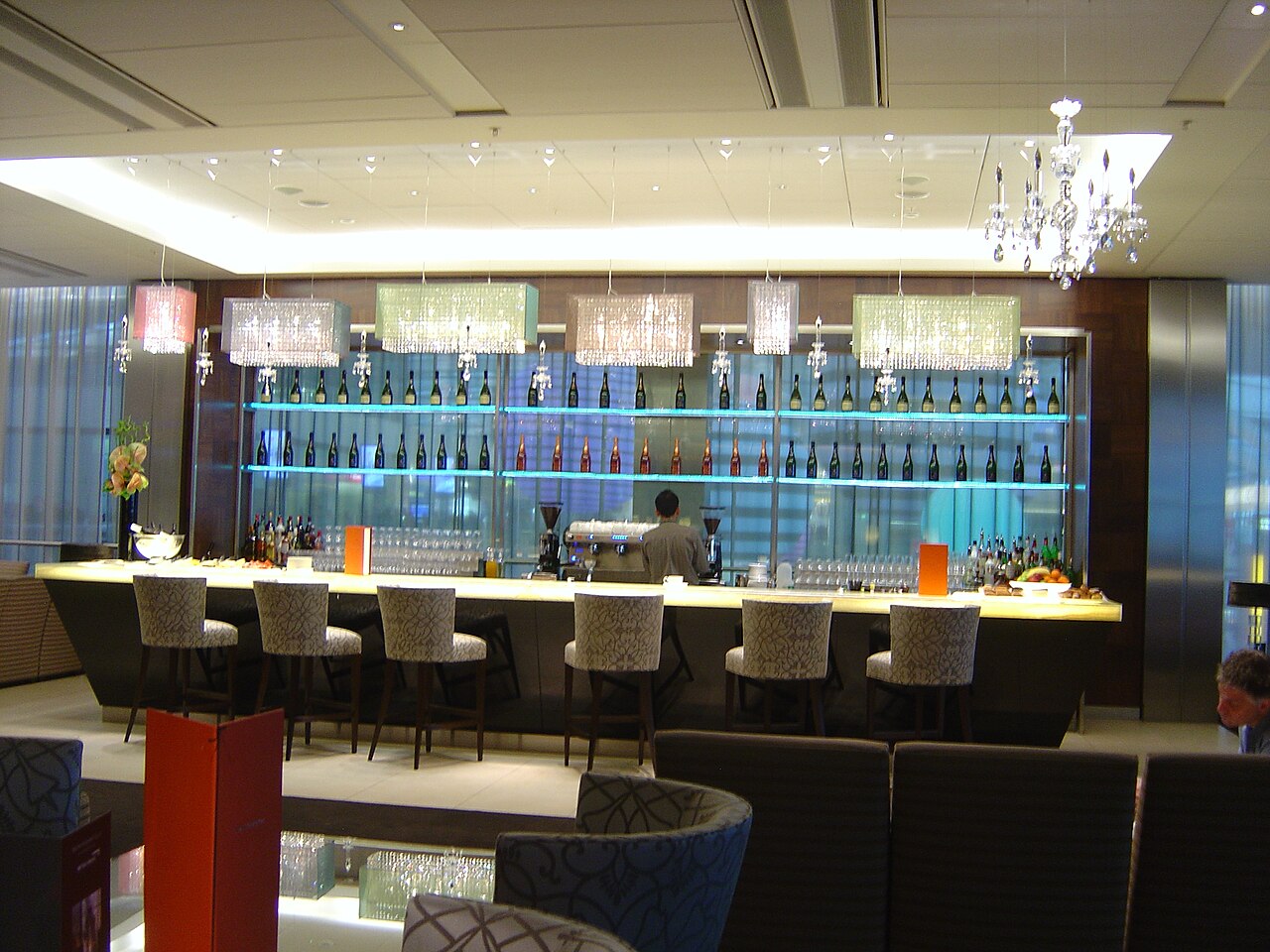
Premium economy has become particularly important, providing airlines with an attractive middle ground between traditional economy and business class. Travellers who cannot justify the cost of a premium suite may still be willing to pay significantly more for extra legroom, enhanced dining and priority services. Airports have become an extension of the premium travel experience. Private security lanes, chauffeur services, luxury lounges, spa facilities and exclusive dining concepts are now integral parts of airline offerings.
Many airlines are investing heavily in digital technologies designed to reduce friction throughout the travel journey. Mobile check-in, biometric boarding and personalised customer experiences are increasingly being positioned as luxury features in their own right. The goal is clear, create an end-to-end experience that justifies premium pricing, while fostering customer loyalty.
The Future of Flying
The aviation industry is entering what many analysts describe as a new golden age of premium travel.
Demand for luxury experiences continues to rise, airlines are investing heavily in cabin innovation, and a growing number of travellers are willing to spend more on comfort and exclusivity.
At the same time, emerging technologies, ultra-long-haul routes and next-generation aircraft are creating new opportunities for carriers to differentiate themselves.
The future may bring private suites with larger living spaces, personalised onboard services powered by artificial intelligence, and even the return of supersonic travel for premium passengers.
What do you think about this surge in luxury travel? Let us know what you think in the comments below.