By using this site, you agree to the Privacy Policy and Terms of Use.
Accept
Travel Radar - Aviation NewsTravel Radar - Aviation News
  • Breaking News
  • Aviation
    • Aircraft
    • Airlines
    • Airshow & Events
    • Careers
    • Manufacturing
  • Travel
    • Airports
    • Points & Loyalty
    • Technology
    • Trip Reviews
  • Newsletters
  • Aircraft for Sale
Reading: How Airlines Are Preparing for Rising Fuel Costs and Supply Risks
Share
Sign In
Notification Show More
Font ResizerAa
Font ResizerAa
Travel Radar - Aviation NewsTravel Radar - Aviation News
  • Breaking News
  • Aviation
  • Travel
  • Newsletters
  • Aircraft for Sale
  • Breaking News
  • Aviation
    • Aircraft
    • Airlines
    • Airshow & Events
    • Careers
    • Manufacturing
  • Travel
    • Airports
    • Points & Loyalty
    • Technology
    • Trip Reviews
  • Newsletters
  • Aircraft for Sale
Signin Sign In
Follow US
Copyright © Travel Radar Media Ltd. 2025 | All Rights Reserved
Travel Radar - Aviation News > News > Aviation > Airline Economics > How Airlines Are Preparing for Rising Fuel Costs and Supply Risks
Airline EconomicsAirlinesDid You Know

How Airlines Are Preparing for Rising Fuel Costs and Supply Risks

Eve Powell
Last updated: 19 May 2026 12:11
By Eve Powell
3 Min Read
Share
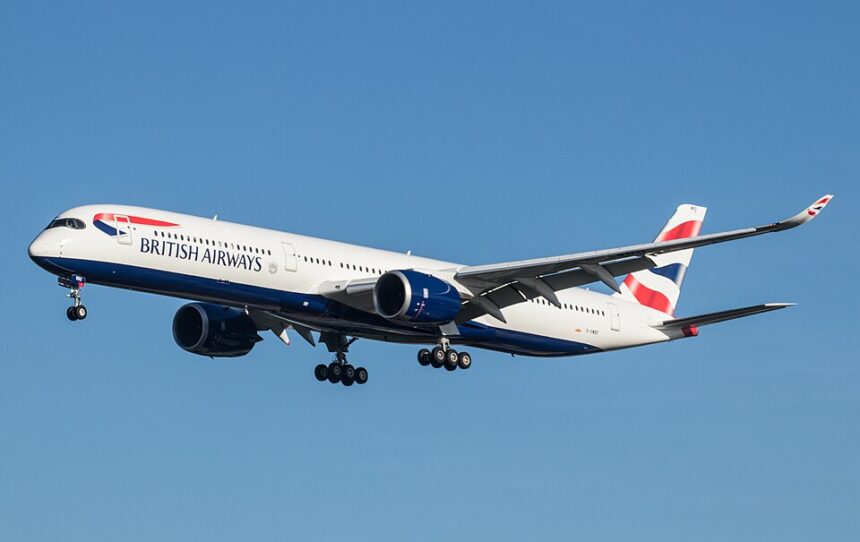
British Airways A350-1000, flying into London Heathrow.
British Airways A350-1000, flying into London Heathrow © Mitchel R. Hope
SHARE

Airlines are increasingly treating fuel price volatility and supply uncertainty as a major operational risk, as geopolitical tensions and fluctuating oil markets continue to affect jet fuel costs. Fuel typically accounts for around a quarter of airline operating expenses, making it one of the sector’s most significant cost drivers, which is why airlines are taking precautions to combat fuel price volatility.

Airbus taking off in blue skies.
Beautiful blue skies, with an Airbus having taken off © Jensen Mann

Hedging Against Price Swings and Adjusting Routes

Airlines, including Ryanair, British Airways, EasyJet, and Air France, use fuel hedging, a financial strategy that involves locking in future fuel prices through contracts. This approach helps stabilise costs and improve financial planning, though it can limit potential savings if market prices fall. Major airline groups, such as the Lufthansa Group, often employ multi-year hedging strategies to reduce exposure to sudden price spikes.

When fuel prices increase, airlines frequently reassess their route networks. Less profitable services may be reduced or cut, while higher-demand routes are prioritised where fare revenue can offset rising costs. These adjustments often need to happen quickly, as sudden fuel price shocks can force more immediate capacity changes than gradual market fluctuations.
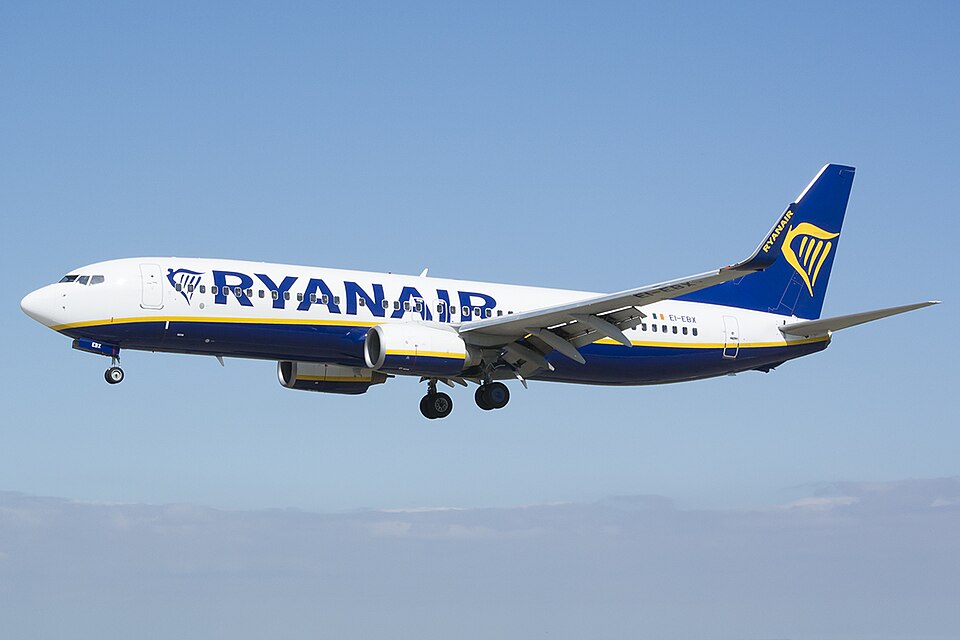
A Ryanair Boeing 737-800 passenger aircraft in flight against a clear blue sky.
Ryanair Boeing 737-8AS EI-EBX at Leeds Bradford Airport © Michael Oldfield

Financial Pressure and Investing in Efficiency

Airlines are also investing in newer, more fuel-efficient aircraft to reduce long-term dependence on volatile fuel markets. Fleet modernisation lowers operating costs and emissions, with over 80% of global airlines now investing in sustainable aviation fuel (SAF), though supply remains limited, according to The World Economic Forum.

Fuel volatility can quickly affect airline profitability, particularly for carriers with limited hedging or weaker financial positions. According to the analyst John Strikeland, who spoke with the Financial Times:

“Jet fuel pricing has always been intermittent, but I don’t think in my time there has ever been the question of shortages.”

With fuel markets expected to remain unpredictable, airlines are combining short-term hedging with long-term efficiency strategies. However, despite these strategies, 2 million airline seats have been cut from this month’s schedules as airlines redraw their operations due to soaring jet fuel prices, according to The Guardian. While these measures help manage risk, fuel remains one of the most influential costs in global aviation.

What do you think about the measures airlines are taking to combat rising fuel costs? Let us know in the comments below.

You Might Also Like

Vueling Fleet Moving away from an Airbus-reliant Structure
Southwest Airlines adds New Routes, announces Partnership with EVA air
Air Canada Supports Young Leaders in Tourism
LOT Polish Airlines Launches its Winter 2025-26 Network
Cathay Group Bags 15 HKACE Awards including the Grand Award
Share This Article
Facebook Twitter Email Copy Link
What’s your thoughts?
Love0
Sad0
Happy0
Angry0
Previous Article A Flydubai B737 with a white, blue and orange livery flying under a blue sky. Flydubai Launches First Nonstop Services to Benghazi
Next Article SAS Airbus A350 named ‘Frederik Viking’ during naming ceremony, with two men visible inside the cockpit waving from the aircraft window. SAS names new Airbus A350 after King Frederik X
Leave a Comment

Leave a Reply Cancel reply

Your email address will not be published. Required fields are marked *


Stay Connected

FacebookLike
TwitterFollow
InstagramFollow
YoutubeSubscribe

Trending News

A small aircraft crash in a field, with trees in the background. The aircraft is laying upside down, no visible smoke in the photo. Red and white livery.
Small Plane Crashes in Northampton Field
Aircraft Incidents & Accidents
A large group of people standing in rows in a church with their eyes closed and hands clasped.
Victims’ families commemorate Air India crash anniversary
Aviation Incidents & Accidents
A Uganda Airlines Boeing 707-351C in the airline’s iconic black, yellow and red livery descends for landing. The image highlights the carrier’s aviation heritage as Uganda Airlines embarks on a new era of fleet expansion with Boeing aircraft.
Uganda Airlines signs with Boeing and acquires B737 MAX, B787
Aircraft Airlines Aviation
An orange barrier with white text reading 'EasyJet' on it and a person standing in the background.
EasyJet flight met by police due to disruptive passengers
Aviation Incidents & Accidents
An aerial view of the Fraport headquarters at Frankfurt Airport, Germany's largest airport and a central hub for European aviation, as the country unveils a new long-term strategy to strengthen the competitiveness of its aviation sector.
Germany Plans to Strengthen the Aviation Sector with a Strategy
Airlines Aviation Did You Know

Travel Radar is the leading digital hub for all things aviation and air-travel. Discover our latest aviation news, aviation data, insight and analysis.


Discover

  • Latest News
  • Subscribe
  • Weekly Digest
  • Contact Us
  • Privacy Policy
  • About Us
  • Advertising
  • Media Coverage
  • Press & Events
  • Join Our Team
  • Our Brands

Signup to our Newsletter!

And get the latest aviation news via our weekly news digest!

© Travel Radar Media Ltd. 2015-2026 | ISSN #2635-0696 | Trademark #UK00003579704
adbanner
Welcome to the TR Community!

Sign in to your account

Not a member? Sign Up