
They’ve existed for almost 30 years and operate over half of the world’s flights, but how much do you really know about airline alliances? From their rapid expansion in the 2000s to the perks and price changes they offer flyers today and the part they might play in the future of aviation, here is everything you need to know about airline alliances!
What is an Airline Alliance?
The term airline alliance can refer to any arrangement between two or more airlines that have agreed to co-operate with one another on a long-term basis, without the need for a financial merger.
This often includes codeshare agreements, in which multiple airlines market the same flight on their own websites and each sells a small proportion of the seats available for that flight. Only one of these airlines will actually operate the flight’s air and ground operations.
Member airlines can also benefit from sharing both staff and aircraft storage facilities, as well as collaborating when purchasing aircraft, to benefit from bulk-buying discounts.
When did Airline Alliances Become Popular?
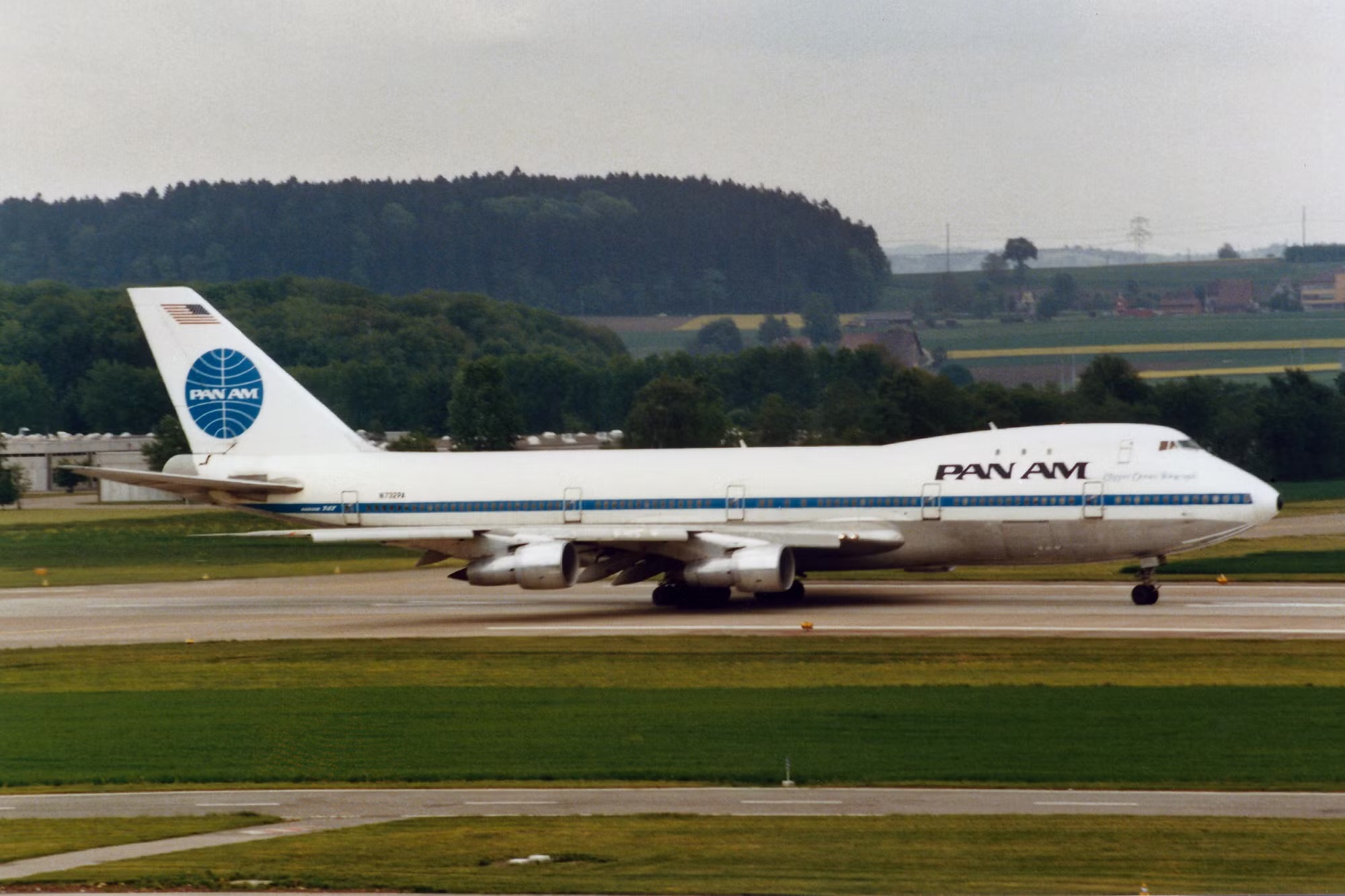
The first recorded airline alliance agreement was signed in 1930. This was an agreement between Panair do Brasil and the U.S.-based Pan American World Airways not to compete with one another on certain routes.
This was followed by a series of smaller-scale agreements, often between American and Dutch airlines, throughout the 1980s and 1990s.
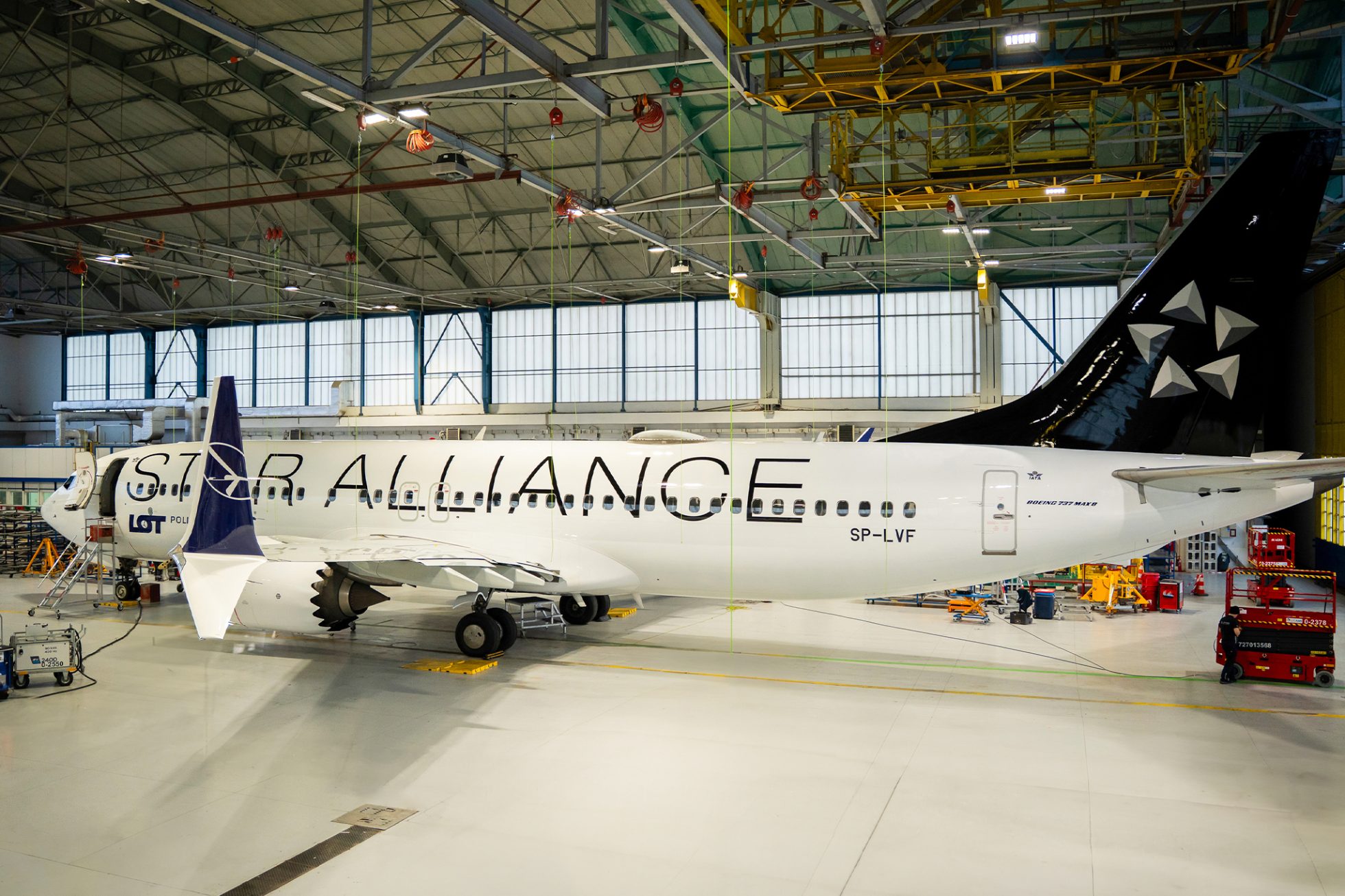
In May 1997, United Airlines, Air Canada, Scandinavian Airlines, Thai Airways International, and the Lufthansa Group jointly announced that they had founded the world’s first global airline alliance, which was named Star Alliance.
Star Alliance expanded from five to 15 members within a decade, with rivals Oneworld being founded in February 1999 and SkyTeam in June 2000.
The Vanilla Alliance of airlines based in Southern Africa and the Indian Ocean was founded in September 2015 and continues to operate today. The Far Eastern U-FLY and Value alliances were both founded in 2016 but disbanded in 2023 and 2024, respectively.
What are the Largest Airline Alliances Today?
The three global airline alliances (Star Alliance, Oneworld, and SkyTeam) continue to dominate the market for intercontinental flights.
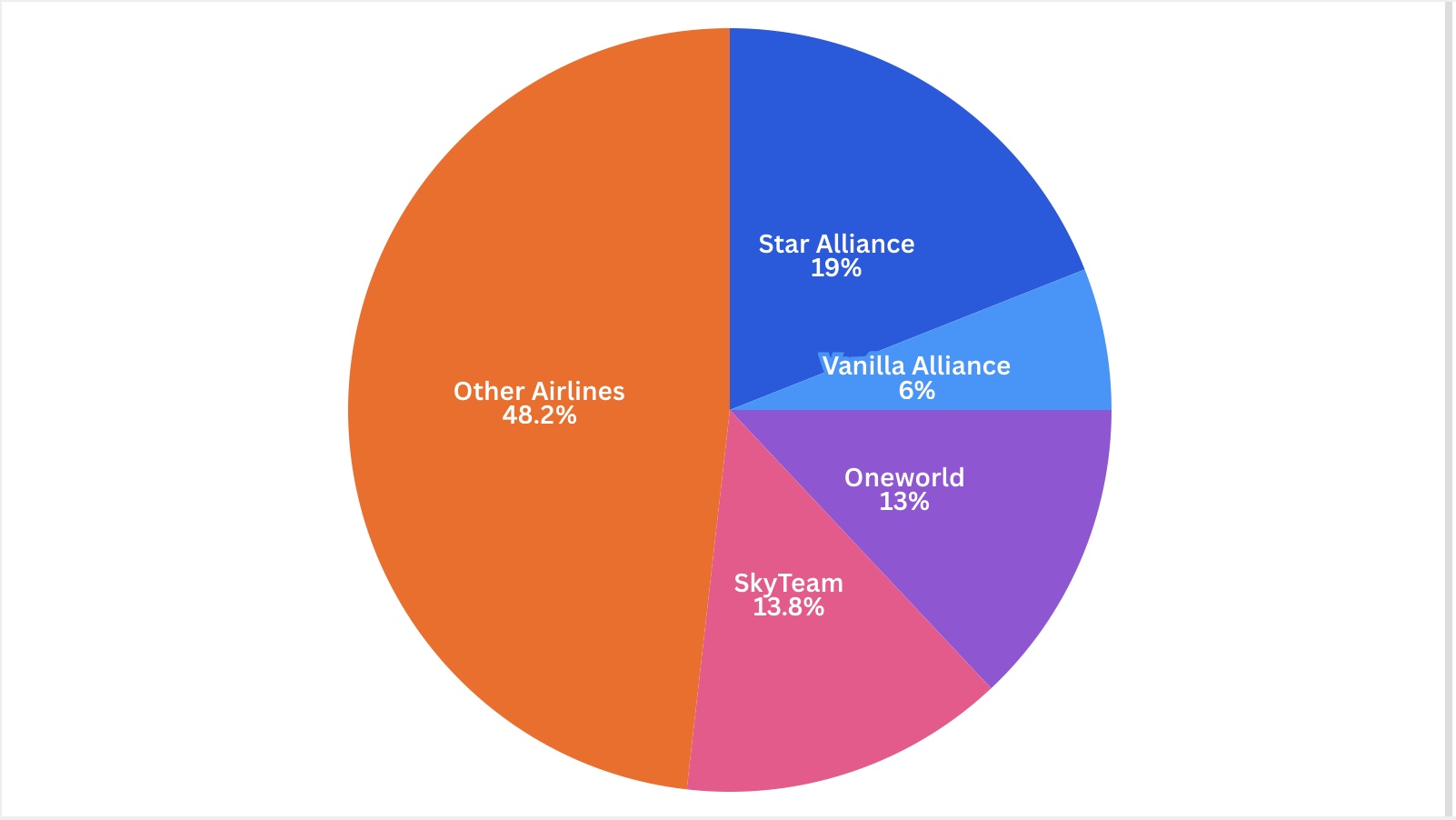
It is difficult to estimate the exact market share held by each of these alliances due to differences in flight capacity and unexpected cancellations. Data from each alliance’s website, as well as the International Air Transport Association (IATA), would suggest, however, that roughly 52% of all IATA-registered flights in 2025 were operated by an airline alliance.
Star Alliance is estimated as holding the largest market share with 19%, followed by SkyTeam with 13.8% and Oneworld with 13%, with the Vanilla Alliance operating roughly 6% of flights.
How do Airline Alliances Affect Fliers?
In 2000, shortly after Aeromexico, Air France, Delta Air Lines, and Korean Air had announced the foundation of SkyTeam, economists Jan K. Brueckner and W. Tom Whalen published a paper analysing how international air alliances had impacted the price of plane tickets.
They concluded that alliance members offered tickets that were roughly 25% lower than their independent competitors. This was due to alliance members being able to collaborate when purchasing resources, fuel and aircraft, reducing operating costs and allowing the airlines to lower prices.
Alliances also allow airlines to combine their reward schemes, allowing regular fliers on one airline to exchange loyalty points for perks, or cheaper tickets, on other members of the same alliance.
National airlines can also use international partners to simplify the booking process for customers searching for routes that require multiple flights, using different airlines.
The CEO of Italian flag carrier ITA Airways, Joerg Eberhart, said that:
“Our airline being now part of Star Alliance opens so much more of the world to our customers.”
This was after ITA became Star Alliance’s newest member in April 2026.
Despite these benefits, air alliances have been criticised for reducing competition on certain routes.
A 2011 paper on transport logistics from Li Zou, Tae H. Oum, and Chunyuan Lu analysed flight prices from October 2007. The researchers concluded that both SkyTeam and Star Alliance charged significantly higher prices for multiple-leg routes than independent airlines, while Oneworld’s prices were similar to its independent competitors.
“Complementary alliances have both positive and negative effects on air fares for flow-through tickets that counteract each other,” the paper stated
It also suggested that a lack of competition allowed alliances to set higher prices than would be possible if the airlines competed freely with one another.

What is the Future of Airline Alliances?
None of the three global air alliances is expanding as rapidly as they were in the late 1990s and early 2000s, but all have gained new members in the last two years.
This would suggest that joining an alliance remains profitable for many airlines. The failure of the U-FLY and Value Alliances does, however, prove that regional alliances are not certain to emulate this success, and that the joining costs of some alliances may prove too great for smaller airlines.
Star Alliance took the unprecedented step of agreeing to an intermodal partnership with the Deutsche Bahn rail company in 2022, which was expanded to include Austrian Federal Railways in March 2025.
This scheme allows travellers to book train and flight tickets at the same time, as well as transfer some perks from one mode of transport to another.
It also allows airline alliances and the aviation industry as a whole to access and benefit from a new audience.
Which airline alliance do you use most often? Have you noticed certain airlines charging significantly higher or lower prices? Let us know in the comments.