


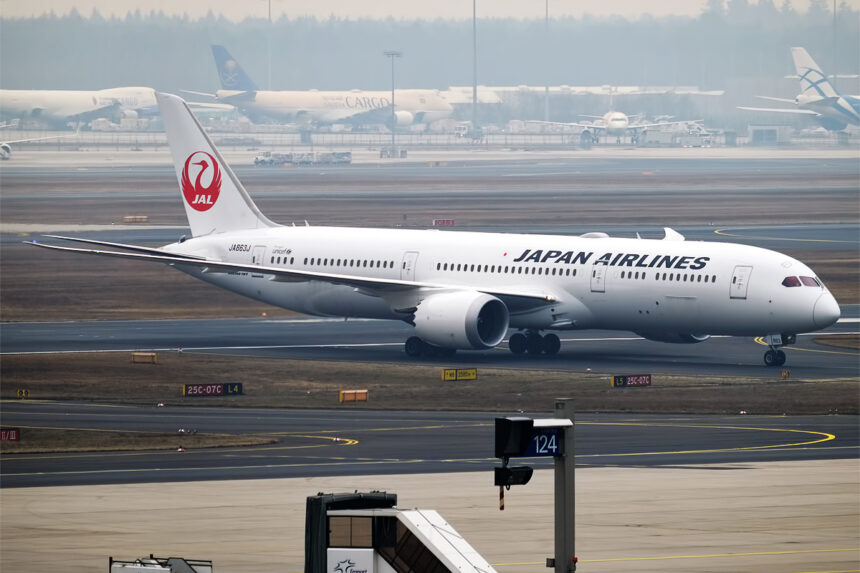
Starting in May, Japan Airlines (JAL) is set to trial humanoid robot baggage handlers at Tokyo’s international airport, Haneda Airport (HND). This comes amid growing concern around labour shortages in Japan.
Labour Shortage in the Face of High Demand
Japan‘s airports are generally well known for high-quality service, including conscientious and efficient baggage handlers. In fact, many people praise the responsible and considerate management of luggage in Japanese airports on review sites and in short-form video content posted to social media. In particular, HND is popular and highly rated, with more than 60 million passengers travelling through the airport annually and a 5-star rating from SKYTRAX for the 12th consecutive year in 2025.
However, meticulous baggage handlers at HND are also notoriously overburdened by this considerable passenger traffic. Compounding this, a surge of inbound tourism is expected after the Japan National Tourism Organisation reported that more than 7 million people visited the country in the first two months of 2026 alone. This is expected to worsen due to Japan’s chronic labour shortage.
With birth rates at a historic low in Japan, the population is ageing and declining, and, as the economy expands at an exponential rate, the national workforce is shrinking rapidly. Although the country’s foreign population has risen significantly in recent years, which could help address the issue of a shrinking workforce, the government has increasingly come under pressure to restrict immigration. Consequently, Japan’s aviation industry is struggling to meet its own growth targets, especially amid a surge in overseas tourists.
Attempting to address concerns regarding labour shortages, rising demand, and overburdened human workers, JAL and its partner, Japan Airlines GMO Internet Group, aim to introduce humanoid robot workers at HND on a trial basis.
Lessening the Burden
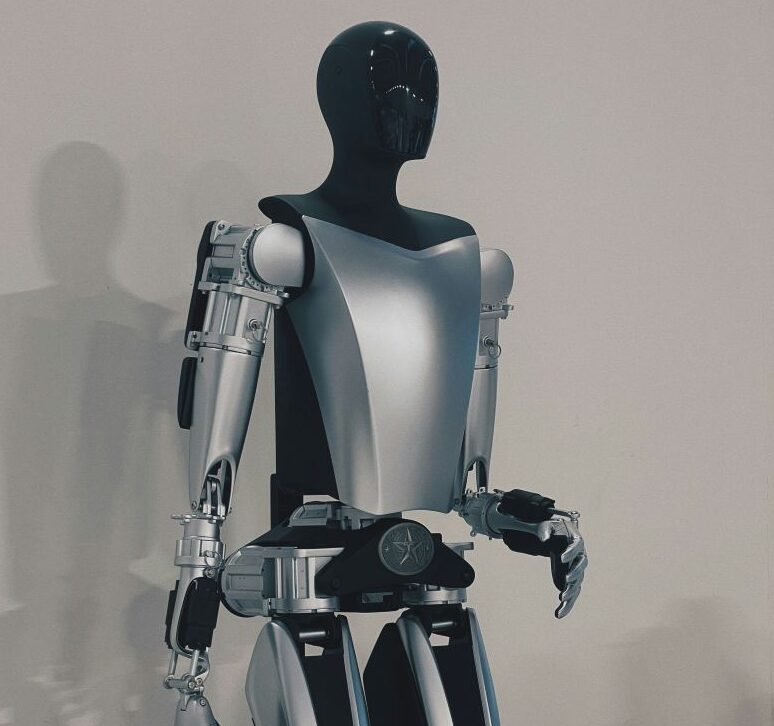
In anticipation of the experiment, a demonstration of a 130-cm robot manufactured by Hangzhou-based Unitree was released for the media this week. The robot could be seen pushing cargo onto a conveyor belt and waving to an unseen colleague during the demonstration to practise a baggage handler’s movements.
The robot baggage handlers can operate continuously for 2-3 hours at a time and will be used for other functions in addition to baggage handling, such as cleaning aircraft cabins. Notably, key safety management and other important tasks will still be done by human workers. If the experiment is deemed successful, these robots will be implemented as a permanent solution.
The experiment is due to begin in May 2026 and will end in 2028. The parties spearheading the experiment, JAL and partner Japan Airlines GMO Internet Group, are optimistic that the experiment will reduce the burden on human employees in the wake of chronic labour shortages and increased inbound tourism.
What do you think of this experiment? Looking forward to a robot handling your luggage? Let us know in the comments!







Great article, i really enjoy reading it, i hope you post more, keep up the good wok , is gona come follow you for more , nice reading it.
Great article, i really enjoy reading it, i hope you post more, keep up the good wok , is gona come follow you for more , nice reading it.