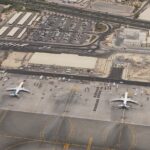
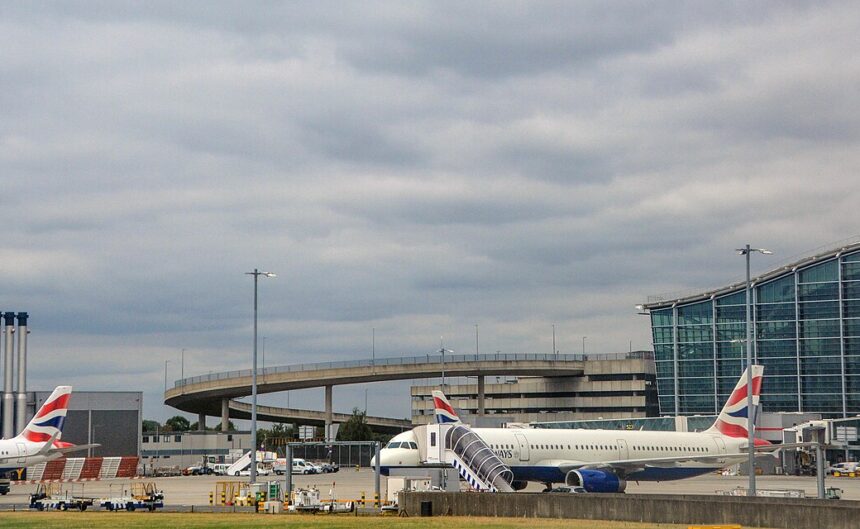
In April 2026, passenger numbers at London Heathrow Airport (LHR) declined, as the conflict involving Iran continued to affect international travel demand. About 6.7 million travellers passed through the airport during the month, marking a 5% decrease compared with April 2025 and the sharpest annual decline since March last year, according to the International Air Transport Association (IATA).
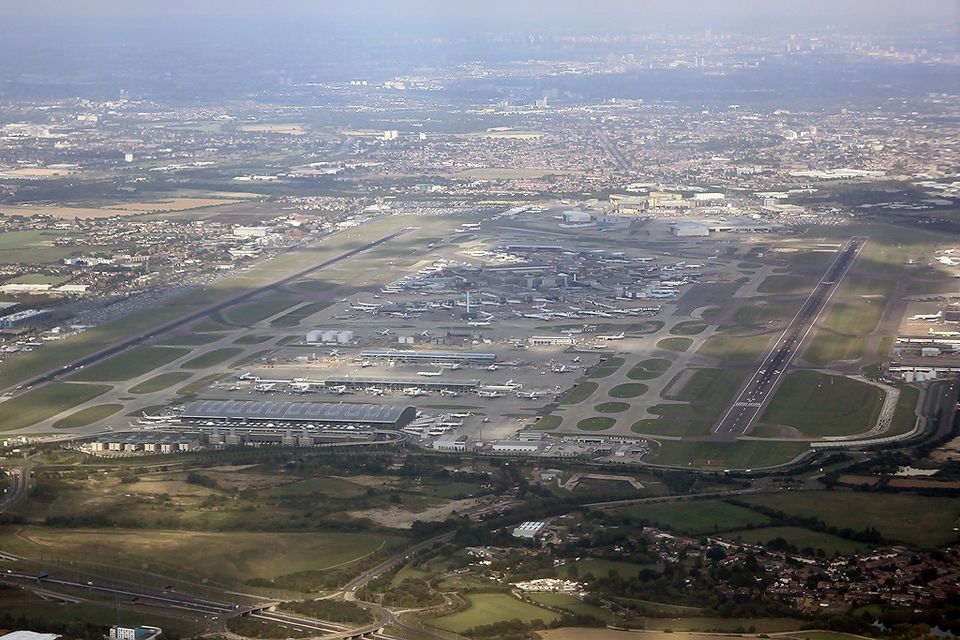
Passenger Numbers Decline at London Heathrow Airport
Airport officials said the downturn reflected the impact of the Iran conflict and short-term adjustments to travel plans. The wider U.S.-Israeli conflict with Iran has disrupted global aviation networks, leading to cancellations, delays and extended journey times.
Travellers are far less inclined to make travel plans amid uncertainty; additionally, many airlines have cut flights due to the ongoing conflict and rising jet fuel prices.
Despite the fall in departing and arriving passengers, Heathrow recorded a 10% rise in transfer passengers using the airport for onward journeys, according to the airport. Travellers heading to Asia and Oceania increasingly opted to route through London rather than Gulf hubs such as Dubai and Doha.
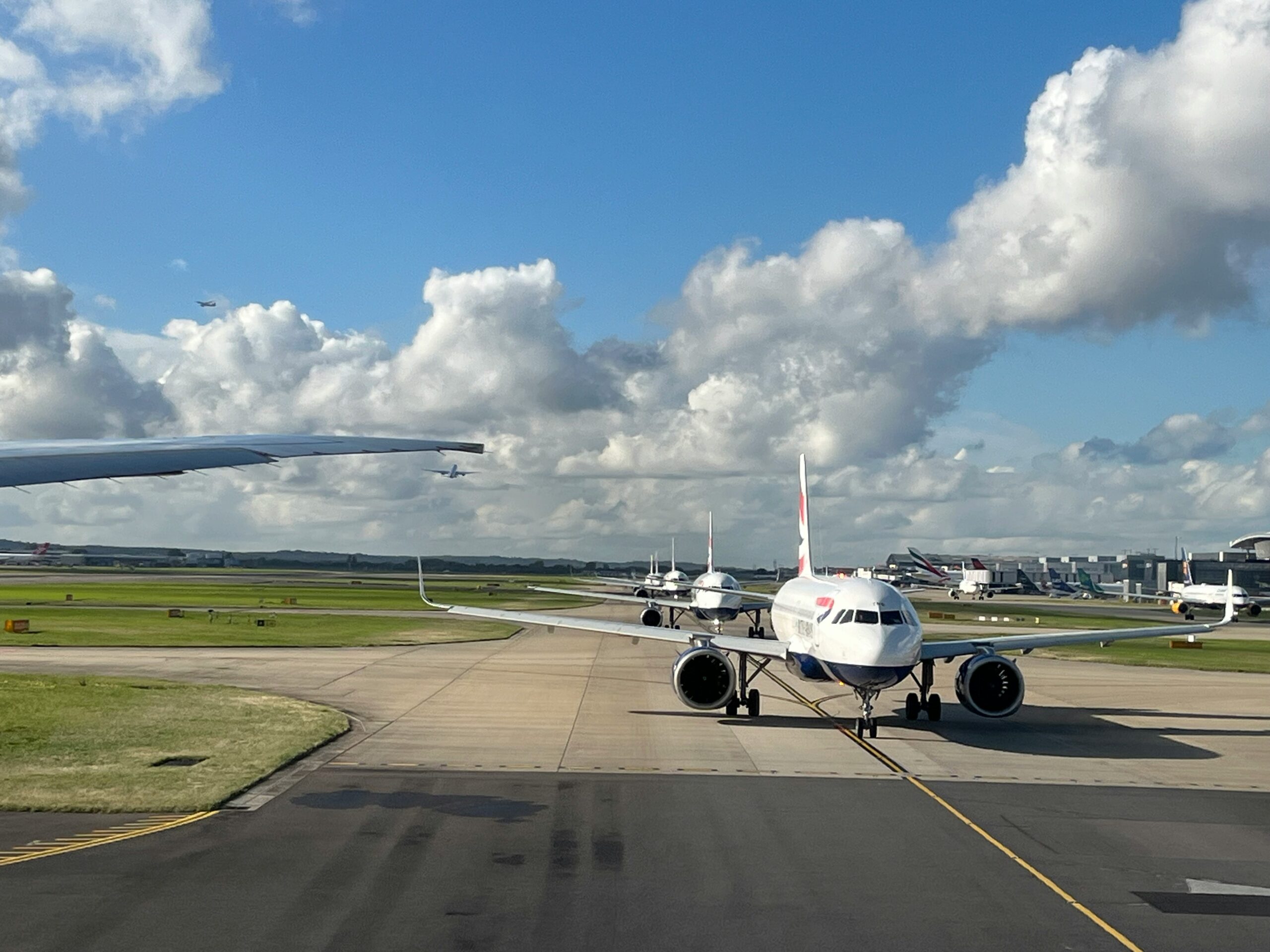
Fuel supply concerns raise pressure on airlines and ticket prices
The aviation industry is also facing mounting concerns over jet fuel availability and rising operating costs. Prices for jet fuel averaged $181 a barrel in the week of May 1, according to IATA and The Guardian, roughly double last year’s average. The increase has been driven by disruption to tanker shipping through the Strait of Hormuz, a critical route for global oil supplies.
Heathrow chief executive Thomas Woldbye told The Guardian that travel demand “remains strong” and that fuel supplies were currently stable. Although April traffic was weaker than the same month last year, he said it was still Heathrow’s busiest month of 2026 so far.
Current estimates suggest around 85 million passengers could travel through Heathrow this year, according to the IATA. Meanwhile, airlines are preparing for further financial pressure. According to The Guardian, last week, the owner of British Airways warned it would attempt to recover most of a 2 billion euro (£1.7 billion) increase in fuel costs through higher revenues and cost-cutting measures, raising the prospect of more expensive airfares.
At the same time, some carriers have reportedly begun reducing summer ticket prices to stimulate demand. Analysis by the Financial Times found that fares for week-long July trips on 27 of the 50 busiest European Mediterranean routes fell between April 9 and May 6.
What do you think about the reduction in travellers at London Heathrow Airport? Let us know in the comments below.