

California’s aviation sector is facing renewed pressure as jet fuel inventories fall to their lowest levels since 2023, reflecting tightening supply conditions. According to the California Energy Commission, jet fuel stocks stood at just over 2.6 million barrels in mid-April 2026, down from around 3.2 million barrels in 2024. While the decline is notable, it remains unclear whether this reflects typical seasonal variation or a more sustained supply constraint.
Supply Disruption and Rising Prices
California relies on imports for more than 60% of its oil supply, leaving it sensitive to shifts in global supply and refining dynamics. Recent market tightness, alongside logistical and supply chain constraints, has contributed to reduced availability of jet fuel in the state.
Tighter supply has driven a sharp rise in prices. Data from Argus Media shows U.S. jet fuel prices increasing from roughly $2.30 per gallon in early 2026 to about $4.19 by late April. Despite strong in-state refining capacity, pricing remains volatile amid ongoing market uncertainty.
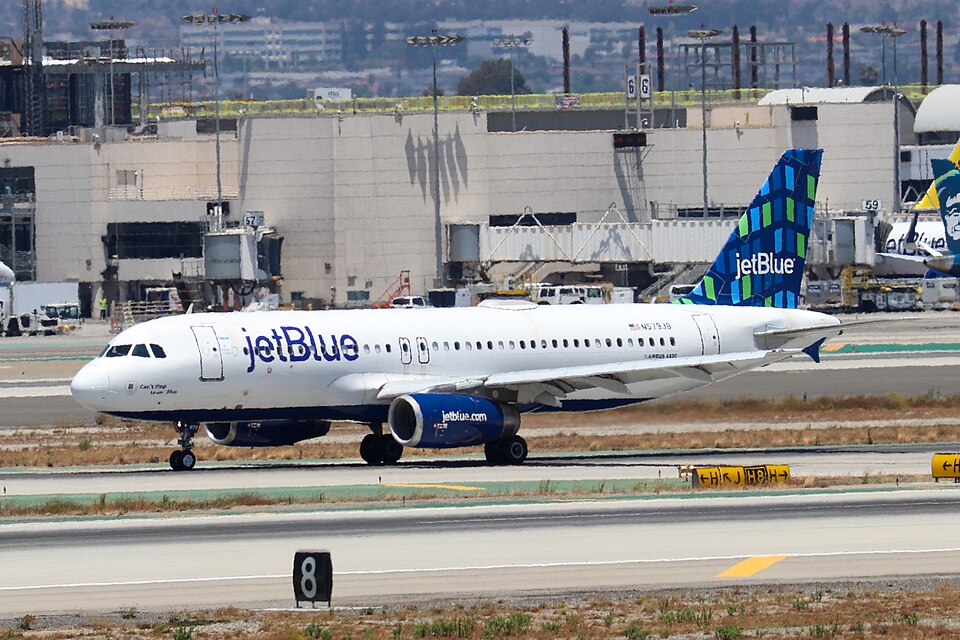
Airlines are already adjusting to higher costs. Carriers including Delta Air Lines, Southwest Airlines, and JetBlue Airways have introduced higher fees and fuel surcharges.
Impact on Airlines and Travelers
According to the Guardian, analysts warn that less profitable short-haul routes may be reduced as airlines attempt to manage operating costs. With demand for travel remaining strong, fewer available flights could lead to higher ticket prices and limited options for passengers.
While widespread fuel shortages are unlikely, California’s drop in jet fuel supply shows the aviation industry’s exposure to global energy disruptions and indicates continued cost pressures in the short term.
What do you think of the ongoing fuel shortage and its impact? Let us know in the comments below.