


Hiking and Outdoor Activity
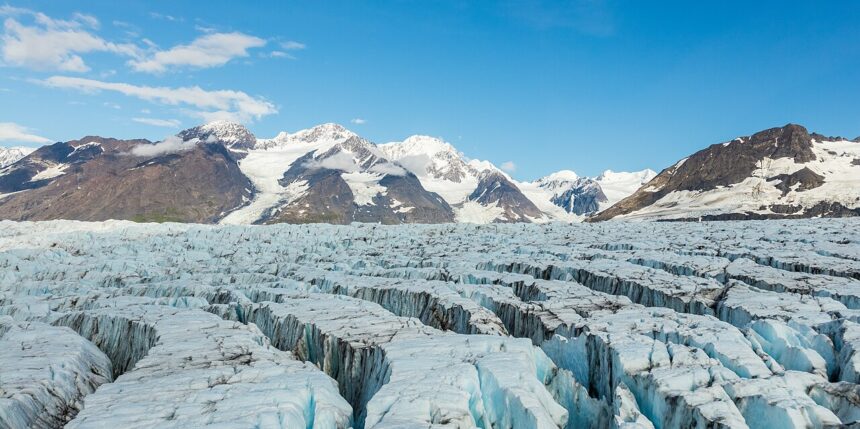
Alaska’s landmass covers over 1.7 million square kilometres, making it the largest U.S. state, with extensive areas designated as protected wilderness. The National Park Service reports that Alaska contains eight national parks, including Denali National Park and Preserve, which recorded just over 543,300 visitors in 2025, according to National Park Service data.
Hiking infrastructure varies considerably across the state. Denali National Park and Preserve offers relatively few marked trails, with much of the park designated for off-trail backcountry hiking. Kenai Fjords National Park records around 390,000 visitors annually, with accessible routes such as Exit Glacier. Meanwhile, Wrangell-St. Elias National Park and Preserve, covering more than 53,000 square kilometres, receives fewer than 100,000 visitors per year. Overall participation in outdoor activities remains high, with state tourism data indicating that over 50 percent of summer visitors take part in hiking or wildlife viewing.

Access From Europe
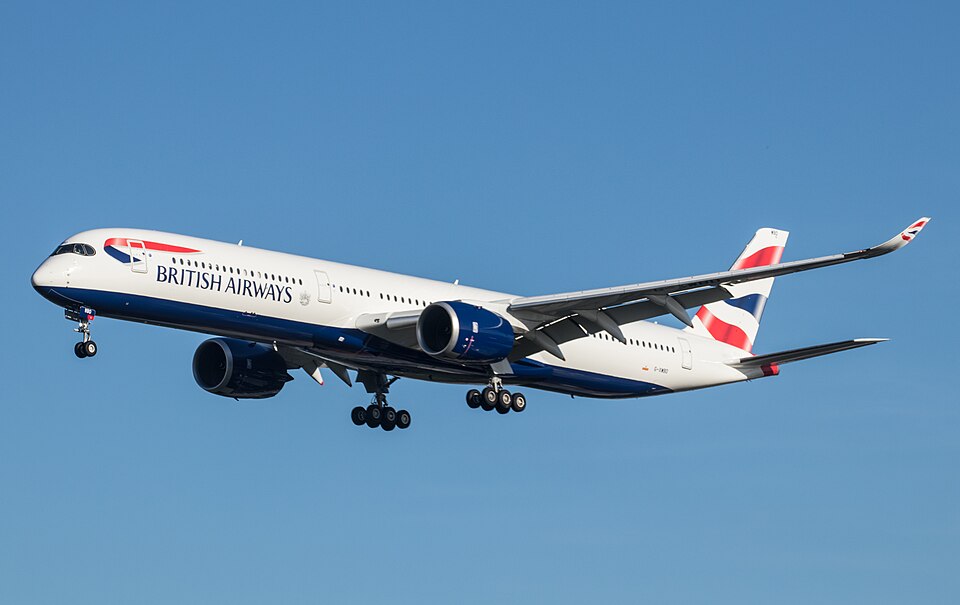
There are currently no regular direct flights between most European cities and Alaska. Travellers typically connect via major US hubs such as Seattle, Chicago, or Dallas. Common transatlantic departures include airlines such as British Airways, Lufthansa, and Air France, with onward connections to Alaska operated by carriers including Alaska Airlines, Delta Air Lines, United Airlines, and American Airlines.
The main international gateway is the Ted Stevens Anchorage International Airport (ANC), which handles over 5 million passengers annually, including domestic traffic. Direct or charter flights from Europe have occasionally operated but remain limited and seasonal, reflecting variable demand.
Rail Travel and Tourism Context
Rail transport is provided by the Alaska Railroad, which operates approximately 470 miles, or 756 kilometres, of track linking Anchorage, Fairbanks, Seward, and Denali. Annual ridership is typically between 400,000 and 500,000 passengers, with the seasonal Denali Star route covering 356 miles, or 573 kilometres, in around 12 hours.
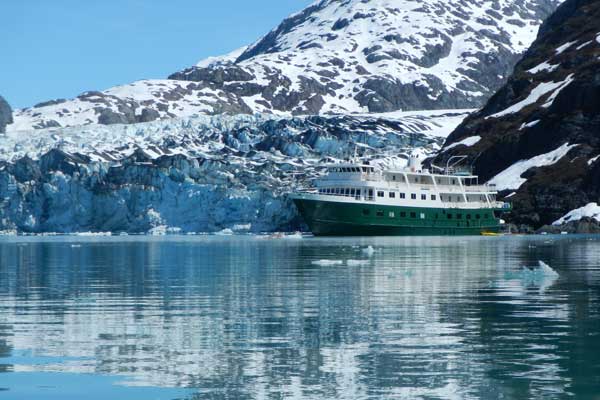
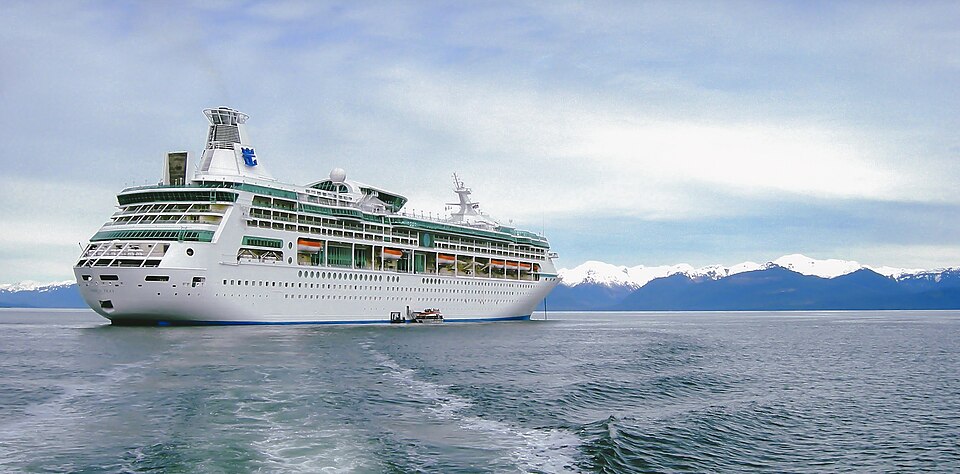
Services operate mainly between May and September and are heavily oriented toward tourism, passing through forests, river valleys, and mountain landscapes. Another major attraction that brings visitors to Alaska is cruises, with an estimated 1.67 million cruise visitors per year from 2025 according to Cruise Lines International Association.
Adventure Tourism Position
Globally, the adventure tourism sector is valued at over $800 billion U.S. dollars, according to the Adventure Travel Trade Association. Alaska accounts for a relatively small share of international arrivals compared with destinations such as Canada, New Zealand, and Iceland. Contributing factors include geographic remoteness, higher travel costs, and limited direct flight access from Europe.
However, these constraints also result in lower visitor density and extensive undeveloped landscapes, which differentiate Alaska within the global adventure market. Overall, data indicates a destination with growing but still comparatively modest international demand, supported by established transport infrastructure and increasing participation in outdoor tourism activities.
What do you think of Alaska as an underrated adventure tourism destination? Let us know in the comments below.








Great article, i really enjoy reading it, i hope you post more, keep up the good wok , is gona come follow you for more , nice reading it.
Great article, i really enjoy reading it, i hope you post more, keep up the good wok , is gona come follow you for more , nice reading it.