Albania is no longer Europe’s best-kept secret. Tourist arrivals in the country have doubled over the past five years, with official figures showing more than 12 million visitors in 2025, according to data from the Institute of Statistics (INSTAT). This figure marked a 6.6% increase over 2024. Its combination of beaches, mountains, and historic cities makes it a rising destination for short-haul adventure travellers.
Getting There: Flights from Europe
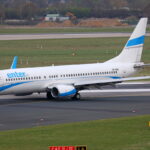
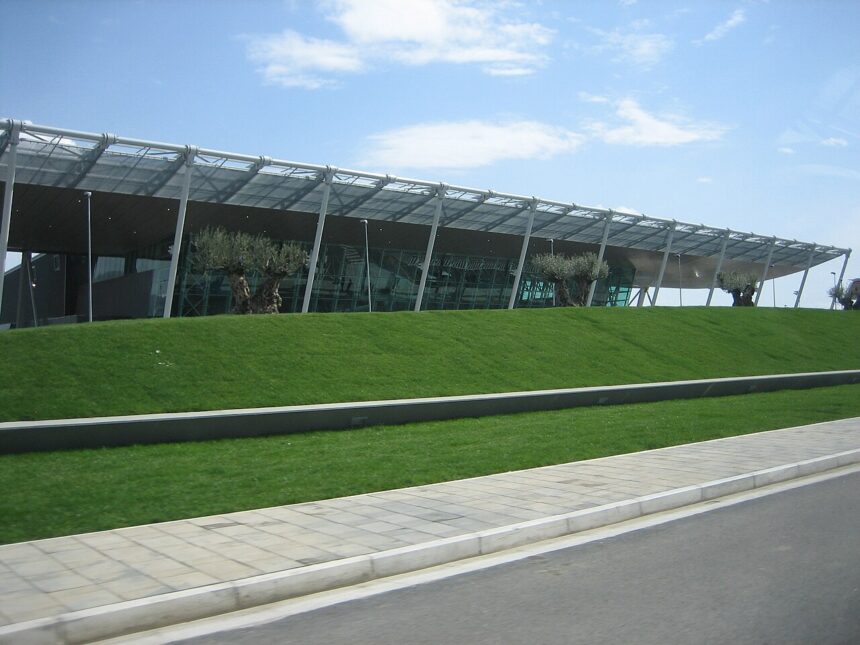
European carriers are increasingly connecting travellers to Tirana International Airport (TIA). Low-cost airlines like Ryanair, Wizz Air, and easyJet offer routes from London, Milan, Berlin, and Paris, with one-way fares starting at 25 to 60 euros in the off-season. Full-service airlines, including Austrian Airlines and Lufthansa, also fly to Tirana, making it accessible from major hubs with connections to wider Europe.
Flights from major European hubs take under three hours, with low-cost fares starting from 20 to 30 euros, while full-service carriers range from 80 to 150 euros depending on the season. Travellers are advised to book early, as Albania’s increasing popularity means flights fill quickly during the summer months.
Exploring the Coast, Islands and Culture
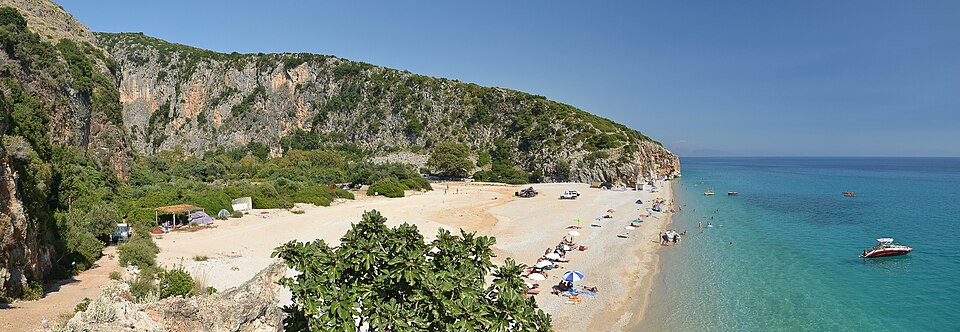
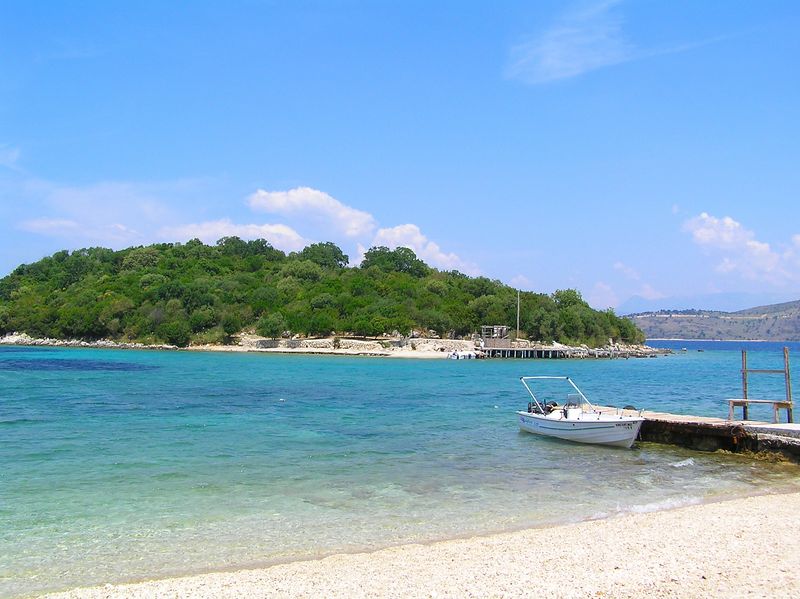
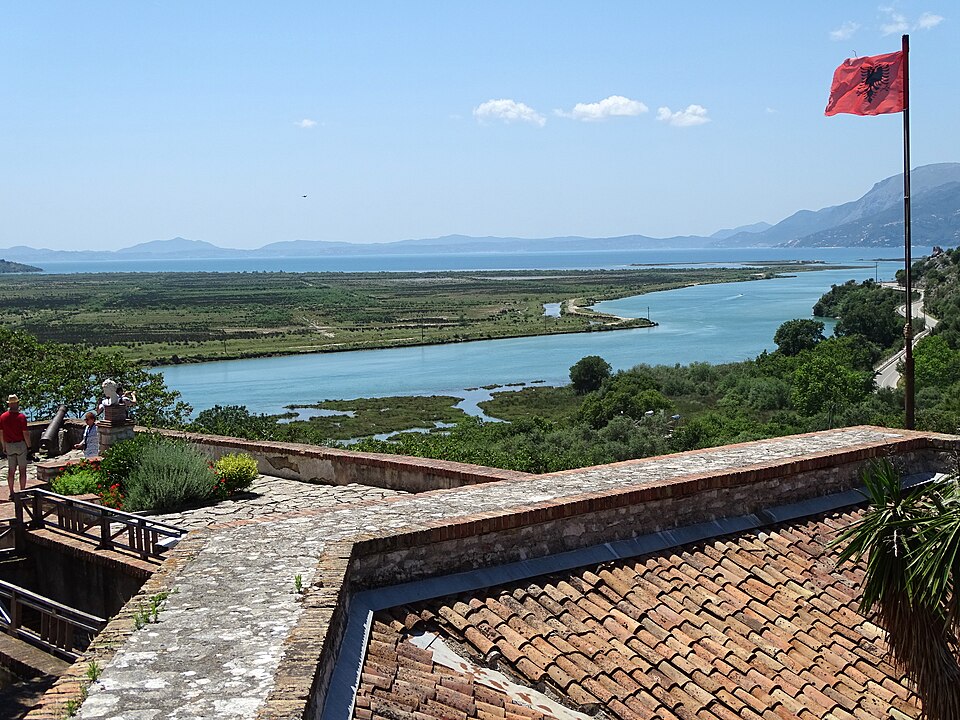
The Albanian Riviera, stretching along the Ionian Sea, is a highlight for sun-seekers and beach lovers. Towns such as Ksamil offer soft sandy beaches and small islands reachable by paddle or swim. Nearby, the Blue Eye spring is especially popular for its clear waters, while Sarandë offers access to the UNESCO-listed Butrint National Park, where Greek, Roman, and Byzantine ruins await.
Inland, cities such as Tirana, the vibrant capital, and Berat, the “Town of a Thousand Windows”, showcase Albania’s architectural and cultural heritage. The Prokletije, or “Accursed Mountains”, offer alpine hiking, and its delta at the Narta Lagoon is a biodiversity hotspot. Albania offers a diverse range of experiences that appeal to travellers of all ages and interests.
Albania’s Rising Appeal
Albania’s rise reflects a broader trend among European travellers: an appetite for destinations that combine culture, history, natural beauty, and affordability. The country welcomed 11.7 million foreign visitors in 2024 — a 15.2% year-over-year increase — while tourism contributed an estimated 20% of GDP, underscoring its growing appeal and economic importance.
With its expanding flight network, Adriatic and Ionian coastline, mountains, and UNESCO-listed historic cities, Albania offers a diverse, affordable, and accessible experience for a wide range of travellers.
What do you think of Albania as a travel destination? Let us know in the comments below.