The global aviation industry’s pledge to achieve net zero carbon emissions by 2050 is now unlikely to be met, according to senior airline leaders who have cited delays in sustainable fuel production, government inaction and aircraft manufacturing setbacks, as major obstacles.
The Unlikelihood of Net Zero by 2050
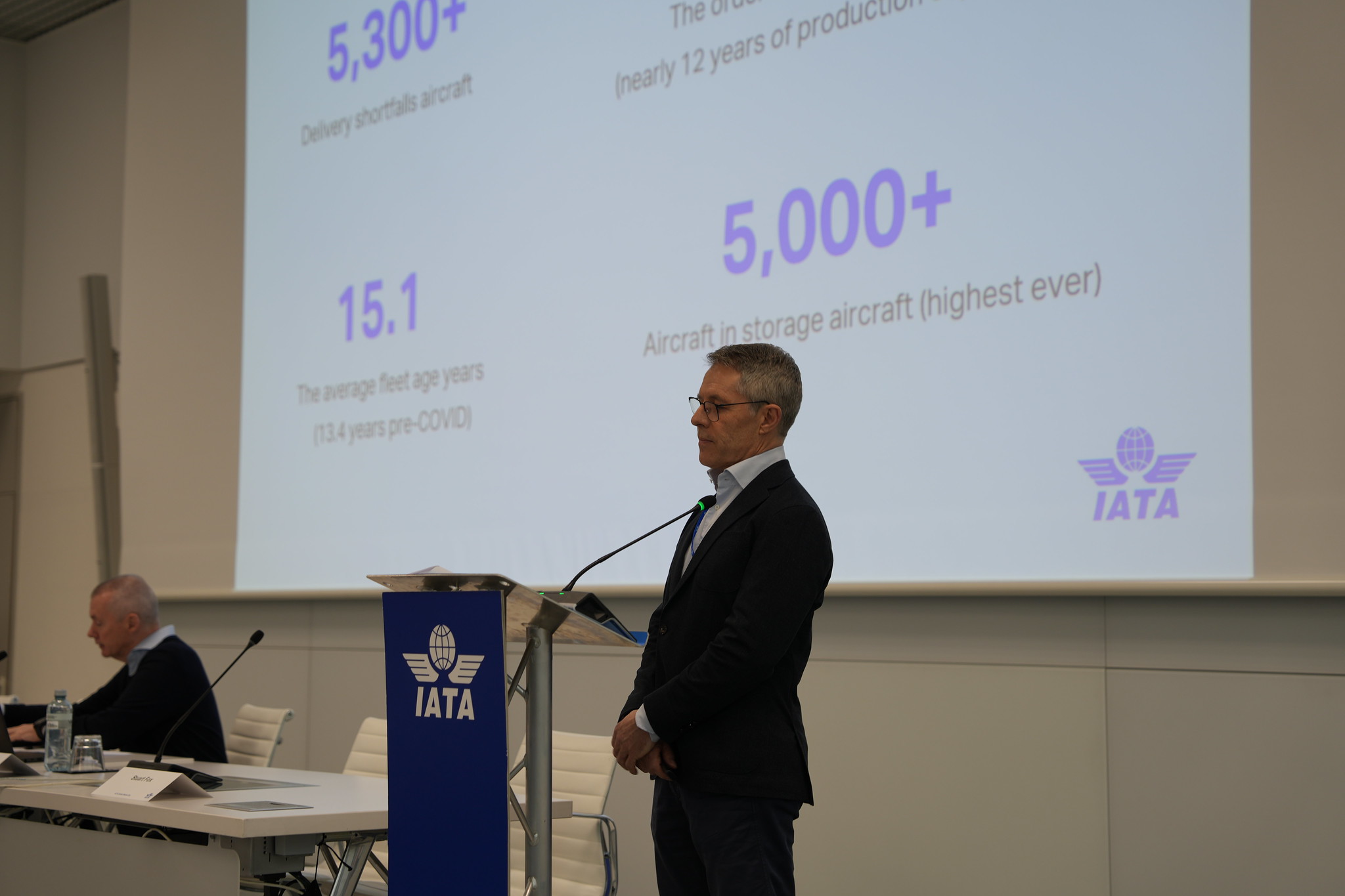
Speaking at the International Air Transport Association (IATA) annual summit in Rio de Janeiro, IATA Director General Willie Walsh acknowledged that confidence in reaching the aviation sector’s landmark climate target was rapidly diminishing. The commitment was originally adopted by global airlines in 2021, following similar aviation decarbonisation pledges made by governments and in 2020.
Walsh said the industry may now need to establish a new and more realistic timeline for achieving net zero emissions. According to his remarks at the summit, progress on sustainable aviation fuel (SAF) production and international carbon reduction programmes has fallen significantly behind expectations.
According to IATA, more than half of aviation’s planned emissions reductions are expected to come from the adoption of sustainable aviation fuels, while much of the remaining reduction relies on the Carbon Offsetting and Reduction Scheme for International Aviation (Corsia), a global emissions programme overseen by the International Civil Aviation Organization (ICAO).
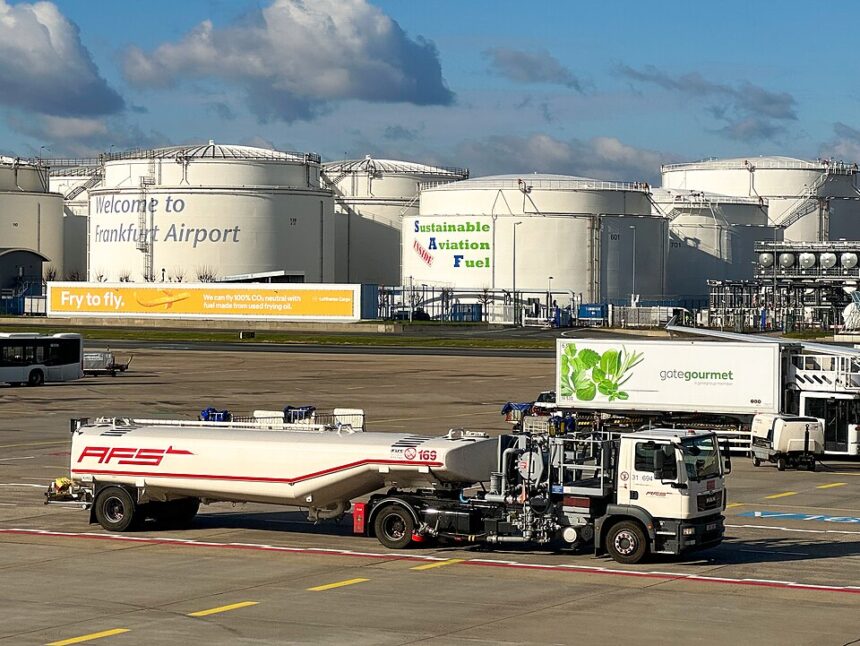
Sustainable Aviation Fuel Shortages Threaten Climate Goals
Walsh told delegates that SAF production remains far below what is required to meet industry targets. He stated that global SAF production is expected to reach only 2.4 million tonnes in 2026, representing approximately 0.8% of total airline fuel requirements. By comparison, the industry’s long-term roadmap anticipates SAF accounting for around 65% of aviation fuel demand by 2050, equivalent to roughly 500 million tonnes annually.
According to the Guardian, he noted that ICAO-backed government targets aiming for a 5% emissions reduction through SAF use by 2030 currently appear unattainable.
“There is still hope for 2050 – but that’s fading fast,” Walsh said during the summit, calling for an urgent dialogue on a revised timeline that better reflects current industry realities.
Airlines Blame Fuel Suppliers, Governments and Manufacturers
Walsh argued that airlines have continued to invest in cleaner operations but cannot meet net zero targets independently. He pointed to delays in the delivery of next-generation fuel-efficient aircraft, a lack of reform in global air traffic management systems as key reasons behind the industry’s slower-than-expected progress.
Speaking separately to journalists, Walsh said airlines were “very disappointed” by delays from aircraft manufacturers and the failure of fuel producers to deliver promised SAF volumes. He also criticised the lack of government action to modernise air traffic systems, which could significantly reduce aviation emissions.
Concerns have also been raised about government policies designed to accelerate SAF adoption. While countries such as the UK have introduced SAF blending mandates, industry leaders argue that production capacity has not kept pace with regulatory targets. Marie Owens Thomsen, Iata’s Senior Vice President for Sustainability and Chief Economist, criticised UK and European Union targets for synthetic e-SAF fuels by 2030, describing them as “utterly detached from reality”. She warned that imposing fuel mandates before sufficient production exists could increase costs for airlines and passengers.
What do you think about the current outlook for becoming net zero by 2050? Let us know in the comments below.