Artificial intelligence and mobile apps are fundamentally reshaping air travel. They enable hyper-personalised bookings, AI-powered chatbot customer service, and biometric, contactless airport experiences. But while some in the aviation industry strongly advocate for the integration of the technology, others have some reservations.
How Airlines are Implementing AI
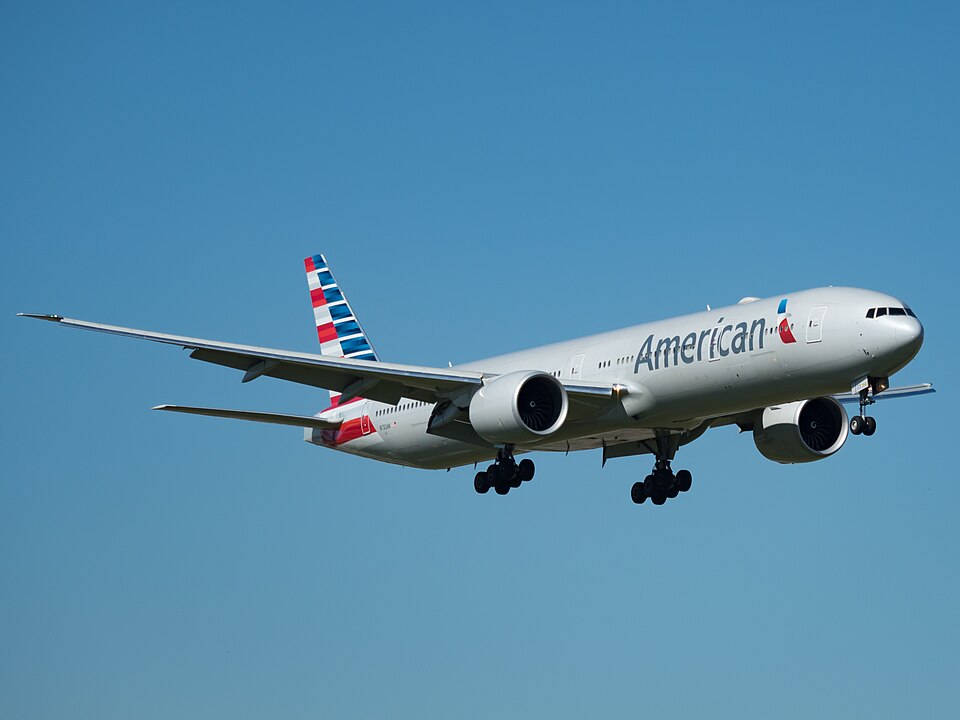
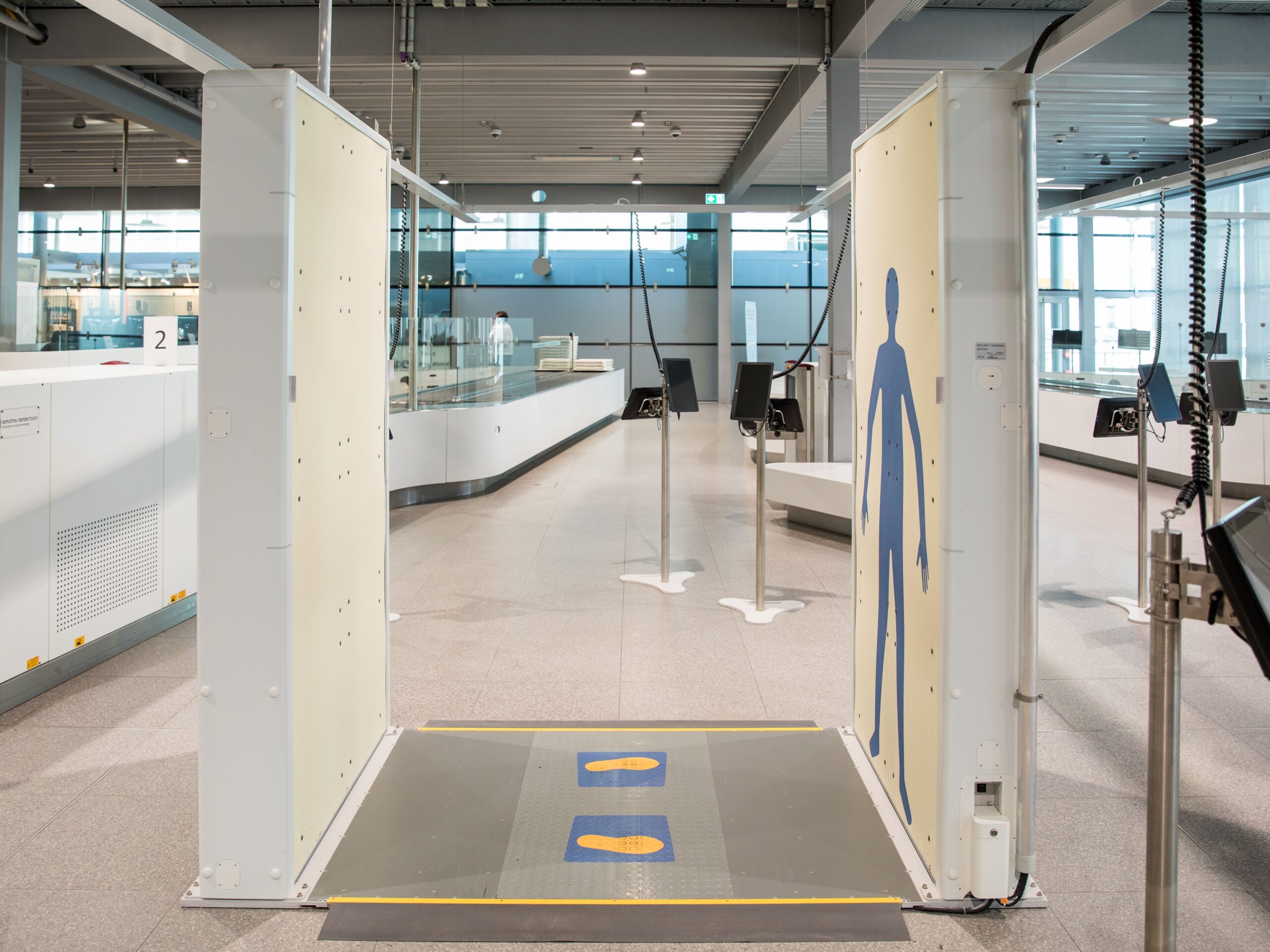
American Airlines has heavily integrated artificial intelligence in 2025 and introduced AI rebooking, biometric screening and app improvements. This is all aimed at minimising disruptions across the customer journey, keeping their passengers updated, and making their service run efficiently.
Airlines are also using artificial intelligence to personalise passenger journeys. By analysing previous bookings, travel history and customer preferences, airline apps can recommend tailored flight options, seat selections, and ancillary services.
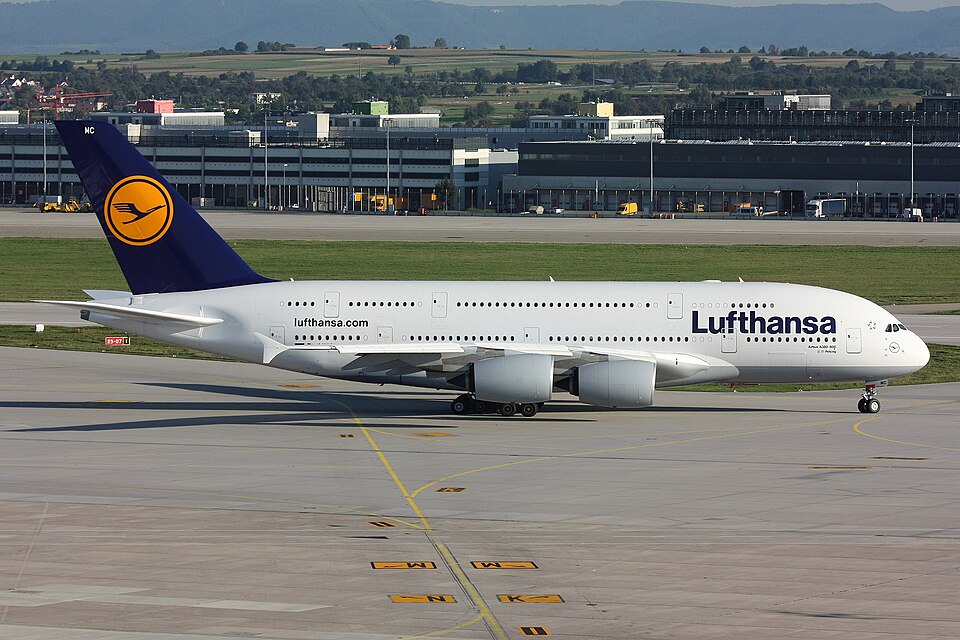
Lufthansa and Fraport have integrated AI cameras to improve turnaround efficiency. At Frankfurt Airport (FRA), AI-powered cameras monitor ground operations in real time, including baggage handling and refuelling. The system then analyses this data to identify inefficiencies, providing actionable insights that help optimise aircraft turnaround times.
The Future of AI in Aviation
According to the International Civil Aviation Authority, AI is being increasingly adopted across aviation, improving efficiency and operational processes. This growing integration is evident in areas such as predictive maintenance, where AI-driven analytics enable airlines to anticipate mechanical issues before they arise, thereby reducing downtime and improving safety standards.
Additionally, AI is transforming air traffic management by reportedly optimising flight routes, minimising delays, and reducing fuel consumption, contributing to both economic and environmental sustainability.
The Downsides of AI in Aviation
AI requires robust oversight and risk management frameworks to ensure the system is safe and constantly regulated. One major concern when it comes to AI is the issue of system reliability and overdependence on automated technologies. As AI systems take on more critical operational roles, there is a risk that pilots and ground staff may become overly reliant on automation, potentially leading to a decline in manual skills and situational awareness. There is also a worry that AI will take over roles in the aviation industry, leaving many unemployed.
In high-stakes environments such as aviation, any malfunction or unexpected behaviour in AI systems could have serious safety implications. Another significant challenge relates to cybersecurity, as AI systems rely heavily on large volumes of data and interconnected digital infrastructure, making them potential targets for cyberattacks.
All of these issues have been considered by the International Civil Aviation Organization, but as this technology rapidly develops, it makes many question whether humans will be able to keep up.
Do you think we should be embracing AI in the aviation industry? Let us know in the comments down below.