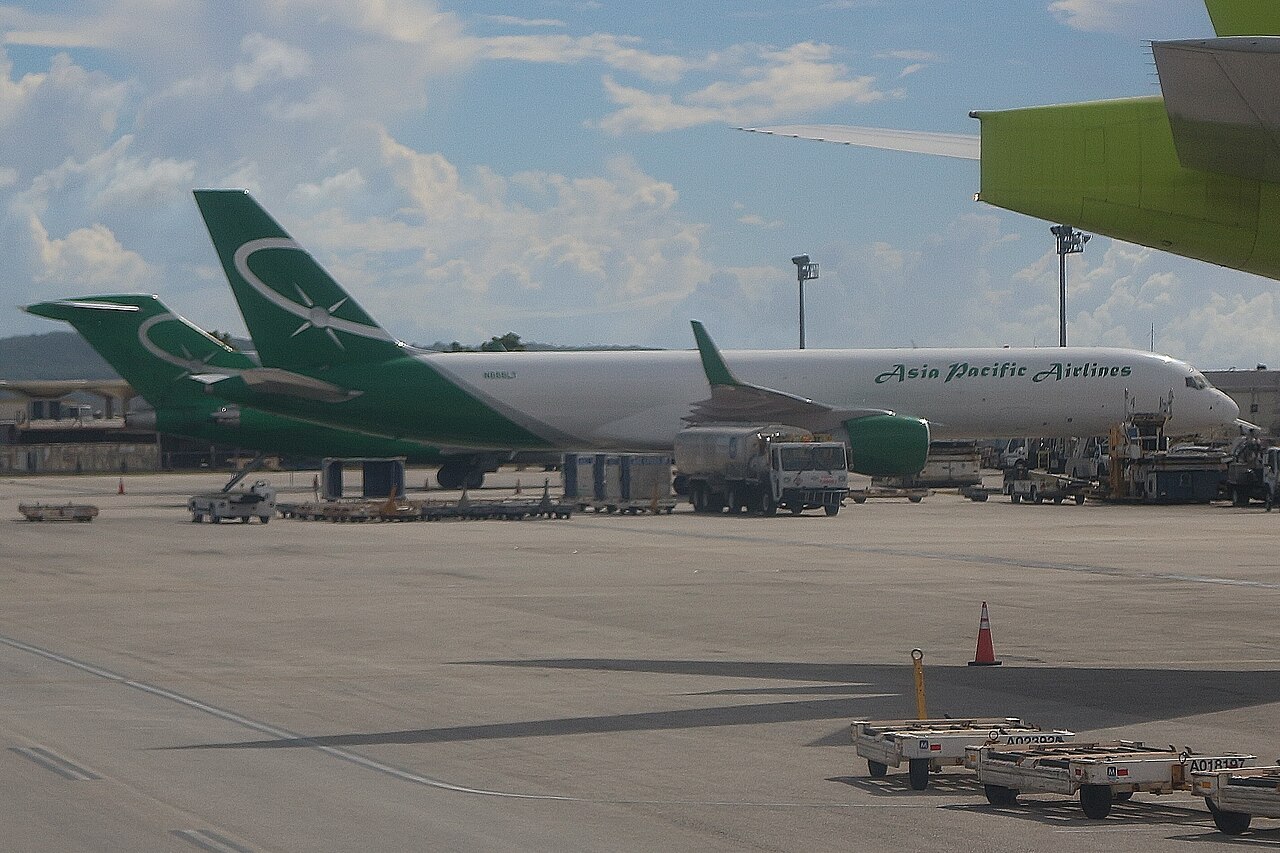
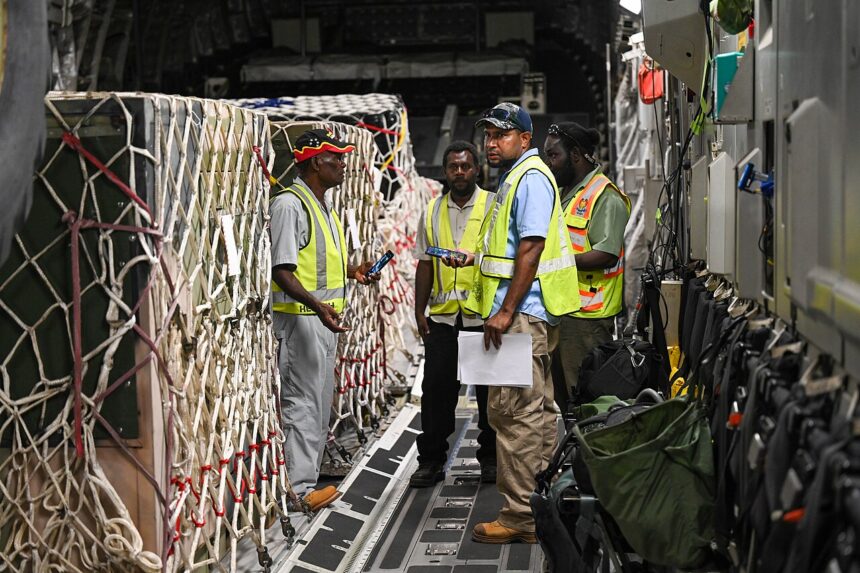
On May 28, 2026, the International Air Transport Association (IATA) released data for April 2026 global air cargo markets showing Global air cargo demand continued to grow in April 2026 despite mounting geopolitical and operational challenges, according to new data released by the International Air Transport Association (IATA).
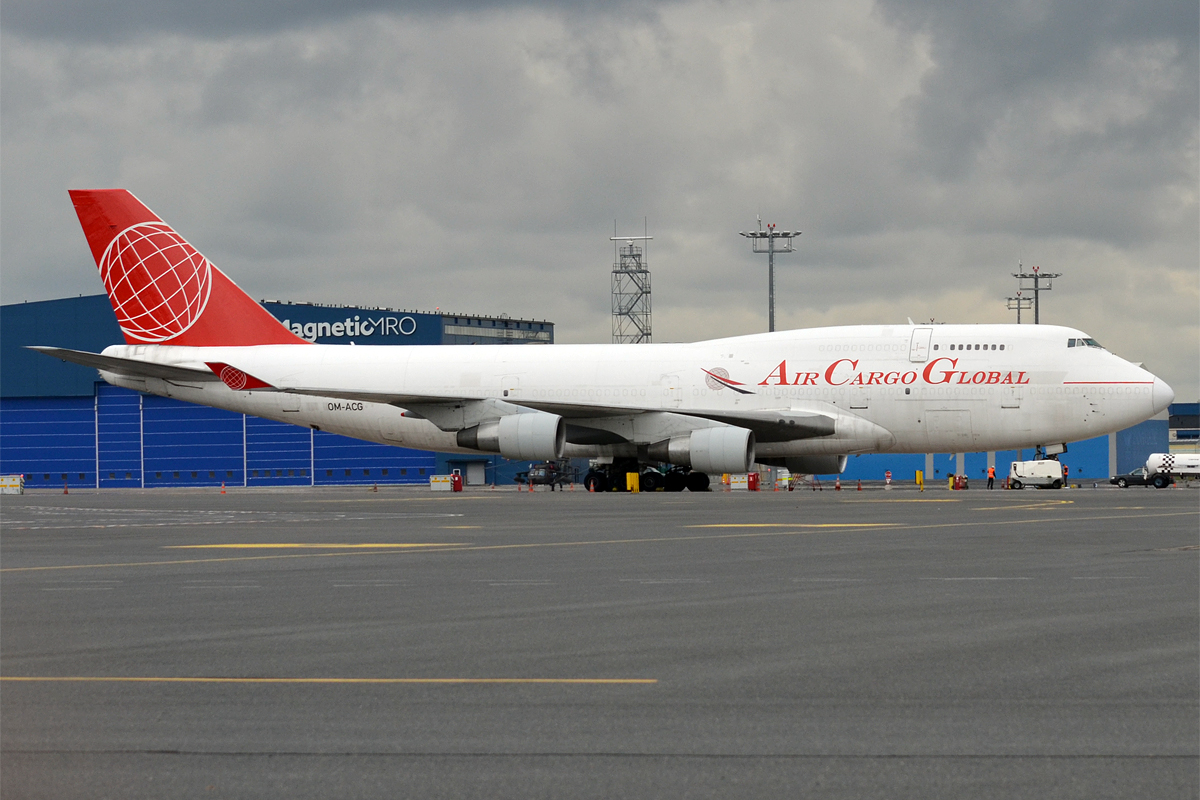
Trade and Fuel Pressures Intensify
Total demand, measured in cargo tonne-kilometres (CTK), rose by 4.0% compared with April 2025, while international operations also recorded a 4.0% increase. At the same time, available cargo capacity, measured in available cargo tonne-kilometres (ACTK), declined by 0.4% year-on-year, reflecting ongoing strain across key global trade corridors.
IATA Director General, Willie Walsh, said the industry’s positive growth figures masked a far more complicated operating environment:
“Air cargo demand grew 4% year-on-year in April, driven by strong Asia-linked trade flows. But this positive news masks a more complex operating environment,”
Walsh continued:
“Severe disruption at major Gulf hubs due to the war in the Middle East continued to reshape trade routes and constrain capacity on key corridors. With dedicated freighters carrying much of the growth, air cargo is once again keeping supply chains moving amid trade disruptions.”
He added that the coming months would test the sector’s ability to absorb continued geopolitical uncertainty and elevated operating costs.
The April results come against a backdrop of weakening global trade momentum and sharply rising fuel costs. Global trade contracted by 2.1% month-on-month in March after four consecutive months of growth, underscoring the vulnerability of international commerce to geopolitical shocks. Meanwhile, jet fuel prices surged 121.1% year-on-year in April, while crude oil prices increased 77.7%.
Despite these pressures, manufacturing activity remained resilient. The global Purchasing Managers’ Index (PMI) climbed to 53.4 in April, up 1.9 points from March, while the PMI for new export orders reached 50.2. Both indicators remained above the 50-point threshold that signals economic expansion, providing continued support for air cargo demand.

Asia-Pacific Leads Regional Growth
Asia-Pacific airlines delivered the strongest regional performance in April, recording a 10.5% year-on-year increase in cargo demand. Capacity in the region also rose by 5.3%.
European carriers posted a 6.0% increase in demand, while North American airlines recorded 5.0% growth. African carriers also performed strongly, with demand rising 7.7% despite a 9.4% decline in capacity.
In contrast, Middle Eastern airlines experienced the sharpest downturn. Cargo demand in the region fell 18.2% year-on-year, while capacity dropped 22.9%, highlighting the significant impact of ongoing conflict-related disruptions across Gulf hubs and regional trade routes.
Latin American and Caribbean carriers reported a 2.8% decline in demand, although capacity edged up by 1.2%.