Icelandair has fastened B757’s retirement, due to the airline’s interest in modernising its fleet. The skyrocketing of fuel prices has also contributed to the carrier’s decision.
The Aircraft’s Retirement
During the Routes Europe 2026, Snorri Tomasson, Icelandair’s director of network planning and scheduling, clarified the motifs that led to the retirement. According to Tomasson, the B757s were expected to be flown until summer 2027; however the current fuel crisis has led to the earlier step down of the aircraft.
Tomasson explained that the aircraft will be retired by this winter, significantly speeding up the scheduled process. Additionally, it was also clarified that the carrier’s strategy is moving towards focusing on more modern and fuel efficient aircraft, such as the B737 MAX. Moreover, the new fleet strategy will allow the carrier to continue routes that would need to be stopped during winter.
Tomasson explained:
“The new generation aircraft will be more fuel efficient, and we will then be able to maintain routes which otherwise would maybe not be in the network next winter.”
Icelandair’s Fleet
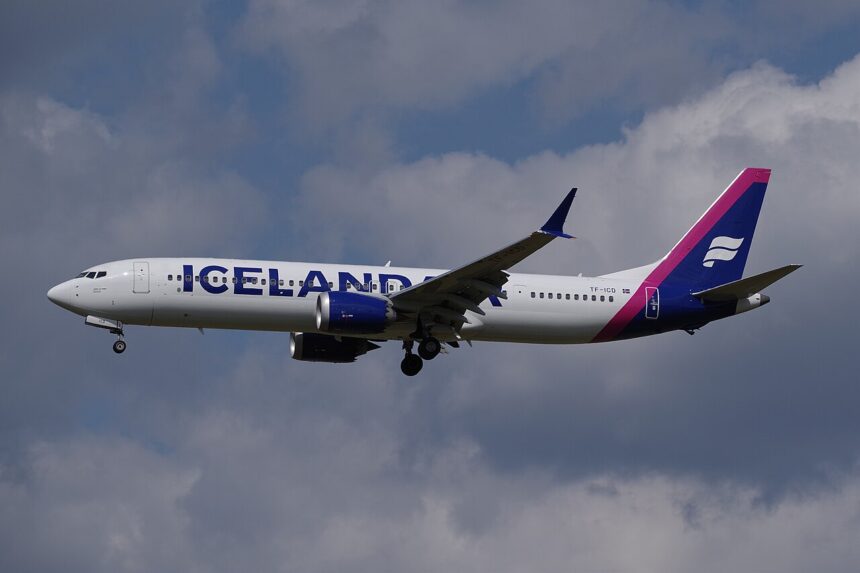
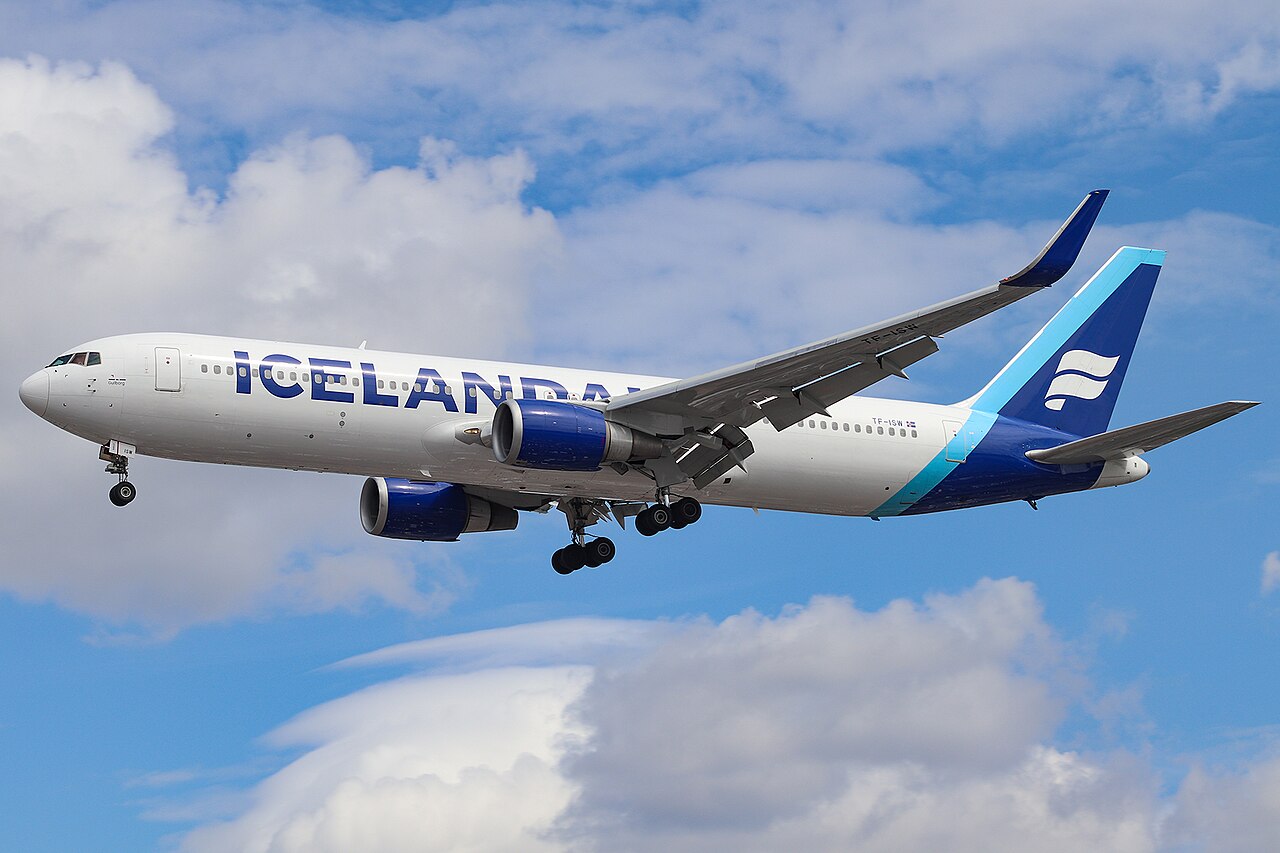
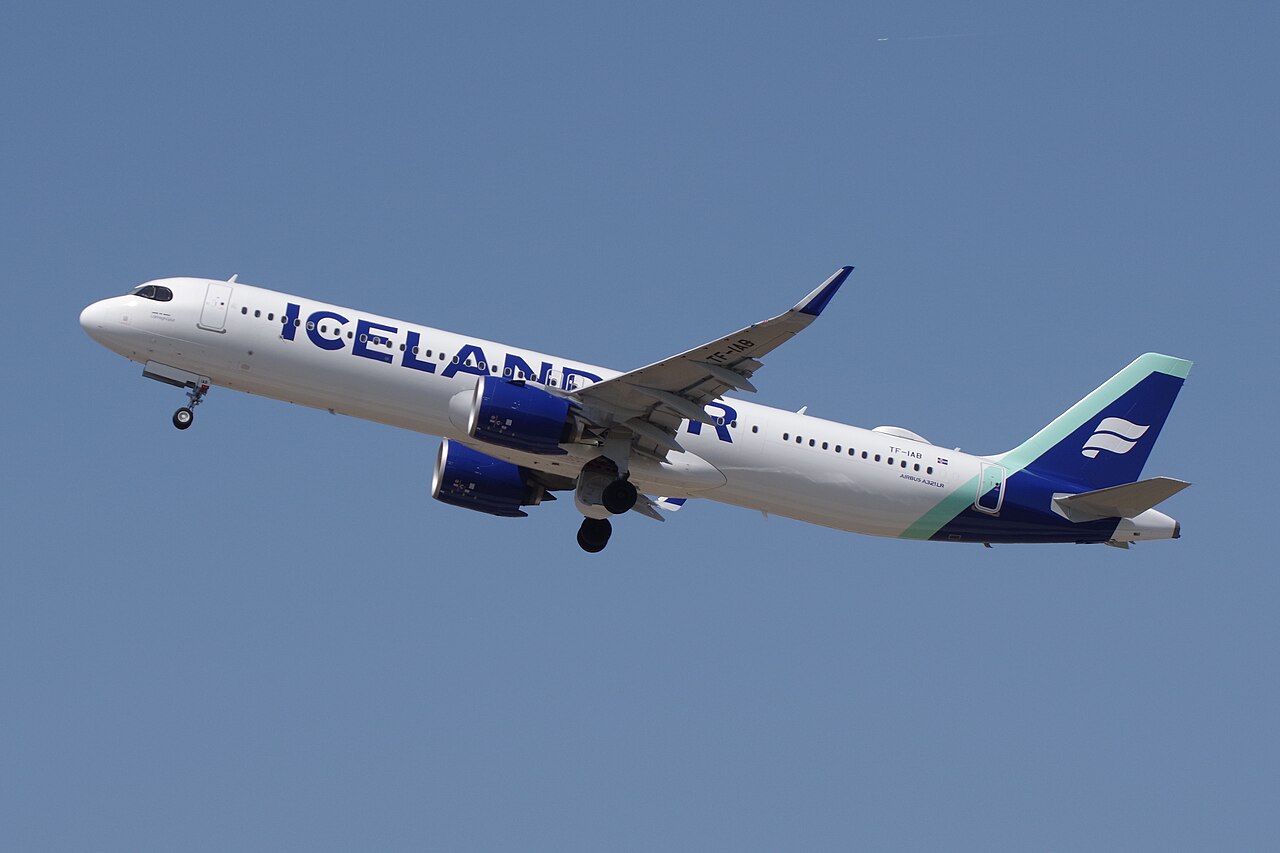
Currently, the airline operates with nine B757s, one of which is inactive, and three B767s, according to the Centre for Aviation data (CAPA). Additionally, the fleet is composed of 21 B737-8s and B737-9s, as well as six A321LRs. However, the carrier is amidst a fleet transition, focusing on B737 MAX and A321LR, which are more fuel efficient.
Therefore, making the B737 MAX and A321LR aircraft the focal points will improve the airline’s management amidst the ongoing fuel crisis. These aircraft are also capable to reach longer distances, allowing for greater network coverage and route expansion.
Overall, Icelandair has fastened B737’s retirement due to fuel crisis and modernisation needs, which will focus on B737 MAX and A321LR.
What do you think of Icelandair’s decision? Is it a good move to stop its operations with the B757? Let us know your thoughts in the comments below.