
The largest and most prestigious annual event in the air cargo industry, the 2026 International Air Transport Association (IATA) World Cargo Symposium, took place in Lima, Peru, March 10-12. Here, three new priorities for air cargo in 2026 were agreed upon: accelerating digitalisation, strengthening global standards and enhancing supply chain security.

Accelerating digitalisation
From January 2026, ONE Record, the modern logistics data exchange system, has become the preferred method for cargo data exchange, with more than 70% of global air waybill volumes being on track for implementation.
IATA’s Global Head of Cargo, Brendan Sullivan, said there are still challenges to overcome:
“Air cargo data still sits in fragmented systems across the supply chain, creating duplication, delays, and compliance risks. This is particularly challenging for high-volume segments such as e-commerce, where house waybill data must remain aligned with airline master air waybill records across multiple systems and jurisdictions.”

Strengthening Global Standards
The IATA commission is concentrating on two key areas where inconsistent rules are creating operational hurdles: dangerous goods regulations and airport slots.
As Sullivan further affirms,
“Global standards and fair access to infrastructure are essential. As global trade evolves, aligning regulatory requirements and ensuring transparent slot allocation will be critical to maintaining reliable air cargo connectivity.”
Security and Safety of Goods
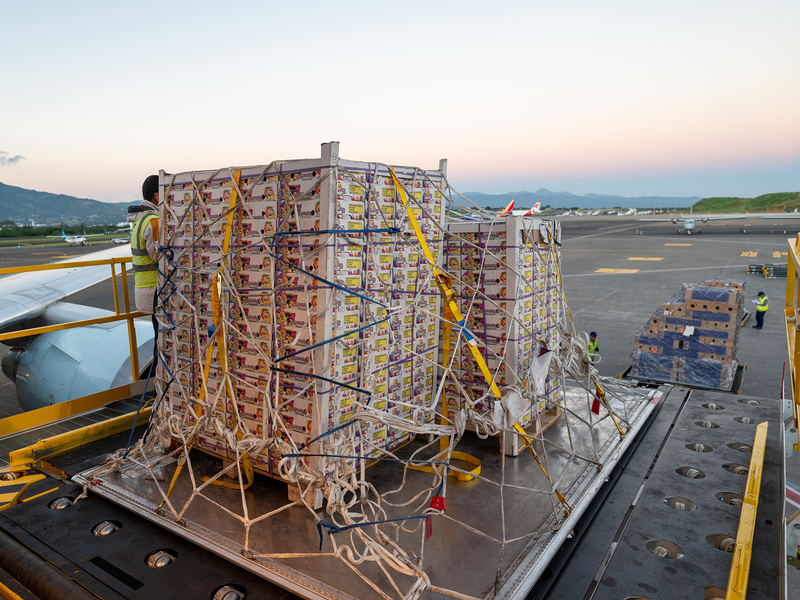
As per IATA’s report, air cargo safety and security frameworks must keep pace with evolving risks and increasingly digital supply chains.
For dangerous goods, IATA proposes that the global rules under the International Civil Aviation Organisation Annex 18 require modernisation to address ongoing issues such as lithium battery misuse and undeclared hazardous cargo.
On the cargo security front, IATA’s report is urging wider implementation of the electronic compliance tool Cargo Consignment Security Declarations (e-CSD) to improve data accuracy and reduce manual operations.
What are your views on the new IATA priorities for 2026? Can you think of other aspects IATA should focus on? Let us know in the comments below!