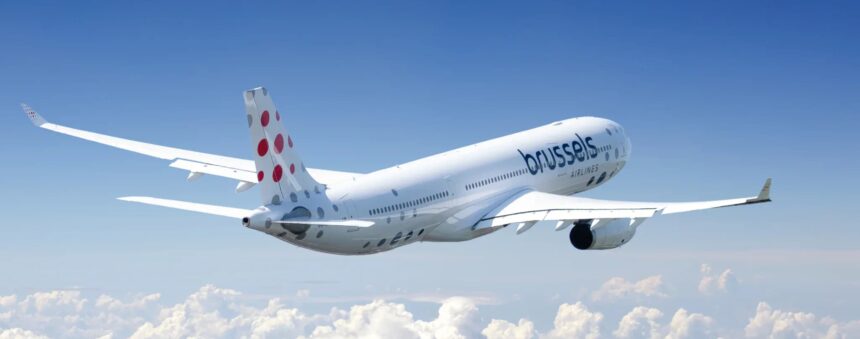
Brussels Airlines reported an adjusted EBIT loss of 70 million euros for the first six months of 2026, as rising fuel costs, an Ebola outbreak in East Africa and disruption caused by strikes weighed on the airline’s financial performance. Despite the challenging year, the airline remains positive about the second half of 2026 and reported some recent positives.
Passenger numbers and revenue growth
Between January and June 2026, Brussels Airlines carried 4.5 million passengers across 34,200 flights, representing increases of 8.1% and 5.5%, respectively, compared with the same period in 2025. The airline also reported a 9.5% increase in revenue, supported by network growth and continued demand for travel.
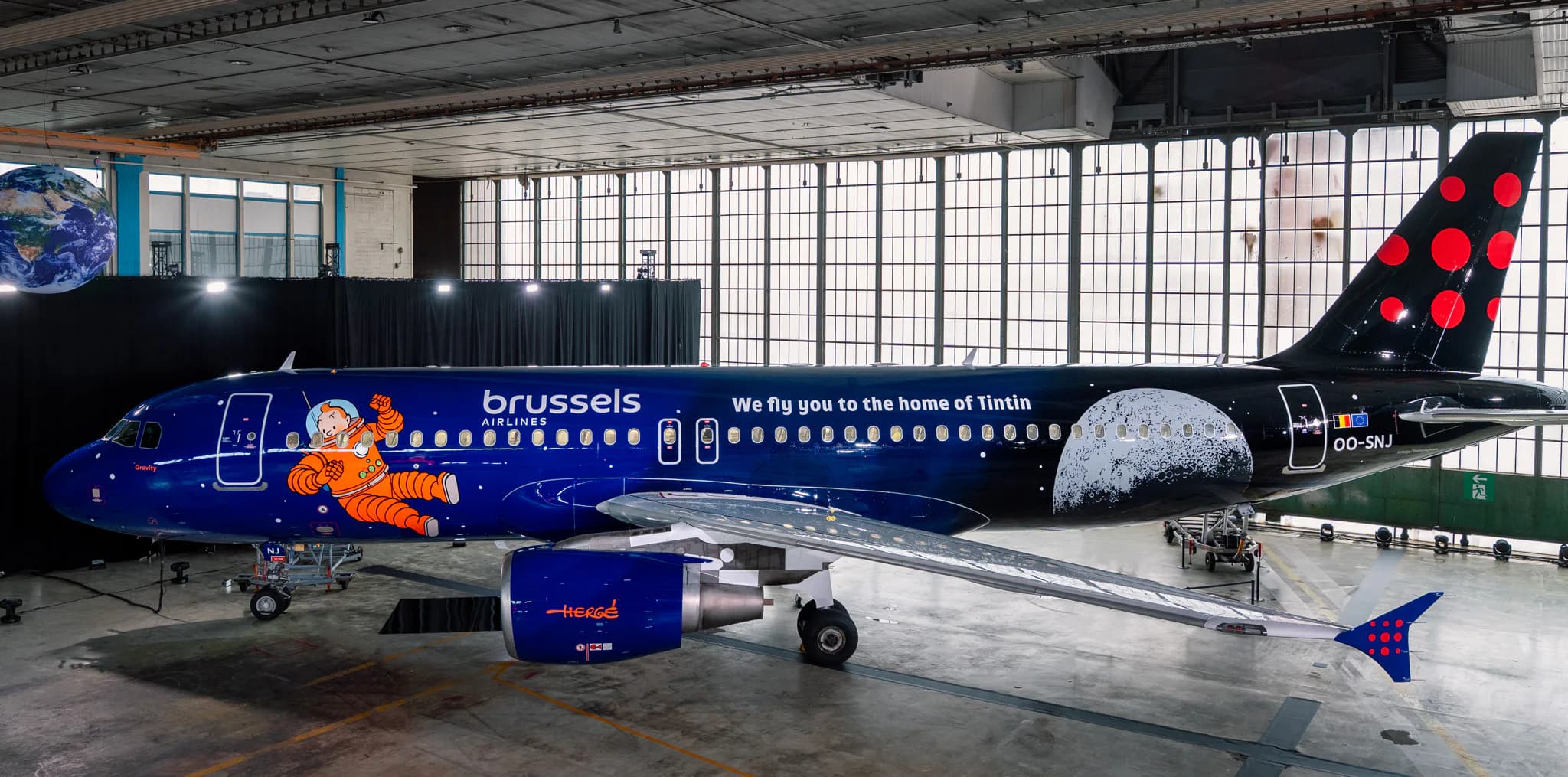
Operational performance also improved during the first half of the year, with the airline reducing irregularity costs by 16% per passenger, contributing to higher customer satisfaction. The airline also launched flights to Kilimanjaro, Tanzania, introduced new tableware in Premium Economy, and unveiled a new Belgian Icon aircraft dedicated to Tintin.
External challenges affected results
While passenger demand remained strong, Brussels Airlines said that several external factors significantly affected its financial results.
Higher oil prices linked to the conflict in the Middle East increased fuel costs by 64 million euros compared to the first half of 2025. In May, an Ebola outbreak in parts of East Africa reduced travel demand and created more challenges, such as crew scheduling issues and countries imposing restrictions.
The airline was also affected by industrial action in Belgium. National demonstrations disrupted operations at Brussels Airport in March and May, while a strike by Belgian air traffic controllers in early June halted all flight movements across the country. Together, these disruptions had a negative impact of 3 million euros on earnings.
As a result, the airline reported an adjusted EBIT of minus 70 million euros, representing a 50% decline compared with the same time last year.
Looking ahead
The carrier’s chief financial officer, Nina Owerdieck, said:
“Brussels Airlines is a robust company that is not afraid to take on a challenge. We have navigated some storms this year, and now a successful summer will be more crucial than ever to achieve positive full-year results.”
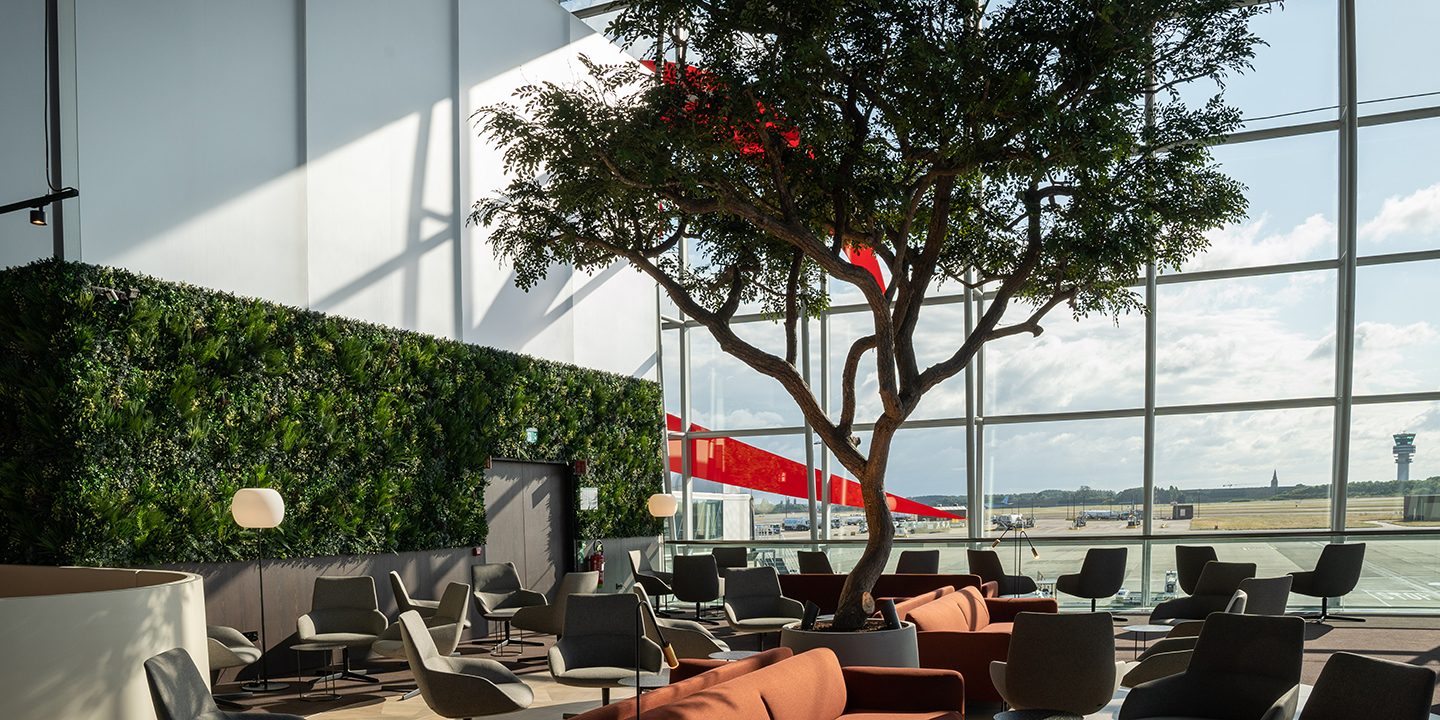
Along with increased passenger numbers over the summer, the airline plans to introduce high-speed Wi-Fi on the first aircraft in its fleet, reopen its fully renovated lounge at Brussels Airport, and further expand its route network later this year.
Looking ahead to 2027, the carrier has decided not to add two additional Airbus A330s to its fleet and continue operating with 11 aircraft. It also confirmed it will not use wet-leased aircraft during the 2027 summer season.
Its multi-million-euro cabin refurbishment programme remains on schedule, with new cabins across all classes expected to be unveiled next year.
Do you think Brussels Airlines will be able to have a positive year-end result? Let us know in the comments below.