


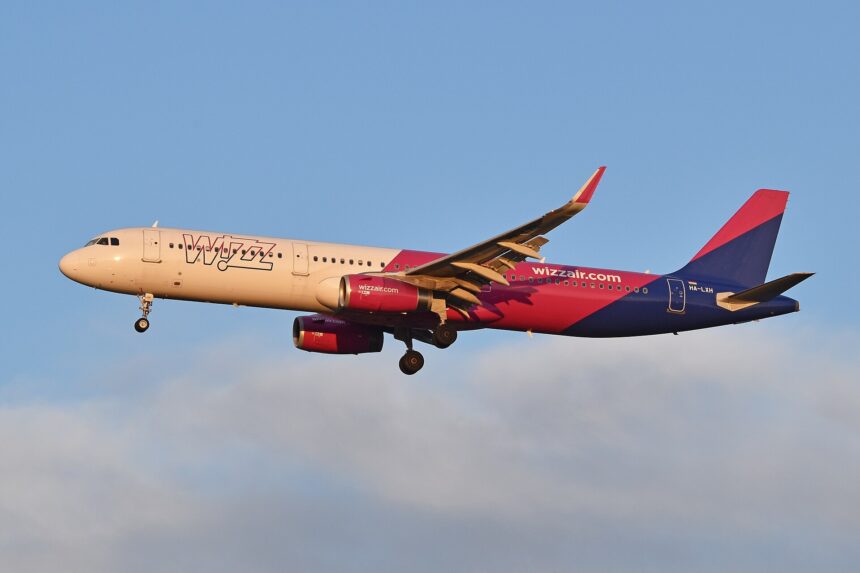
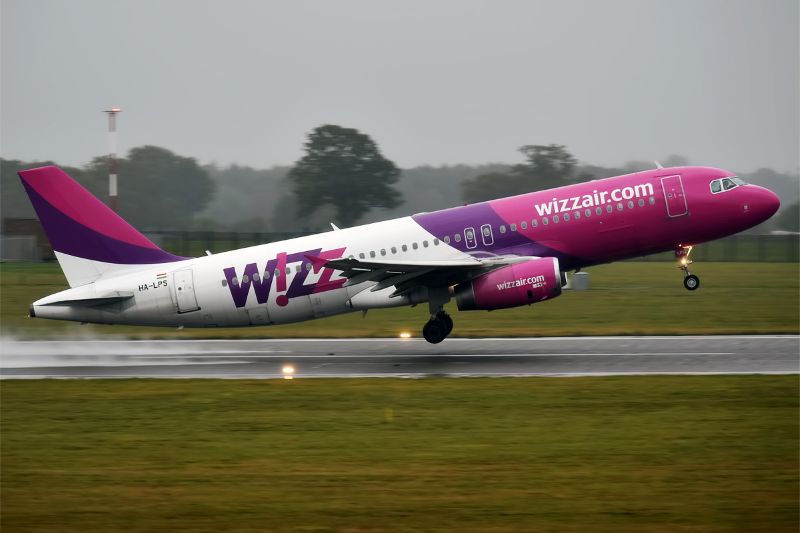
The chief executive of Hungarian-based budget airline Wizz Air, József Váradi, has said that European flight prices are temporarily dropping. He claims this is the result of growing hesitancy to fly amid the U.S.-Iran war.
Fuel Hedging and Hesitancy
Co-founder and CEO of Wizz Air, József Váradi, claimed that airlines can afford to cut prices on short-term European flights. This comes amid reports of fuel shortages resulting from the U.S.-Iran war, which have created passenger anxiety around travel in two key ways: firstly, by increasing dread of price spikes; and secondly, by escalating fears of being stranded. Váradi said:
“There is a level of hesitancy, but to be honest, that level of hesitancy can be overcome through price stimulation. So, short term, you are actually seeing prices dropping.”
Váradi is of the opinion that the uncertainty and anxiety around travelling by plane this summer has been overplayed and that most airlines use fuel hedging policies to secure fuel supplies early and remain minimally impacted by fuel prices shooting up as a result of the war. These policies, Váradi claims, are what make it possible to reduce flight costs to maintain demand, as fuel has already been bought in bulk at a price fixed before the conflict.
Uncertain Future for Fuel
Since Feb. 28, when the U.S. launched its first attack on Iran, fuel prices have surged dramatically. Before this date, jet fuel cost nearly £600 per metric tonne, but immediately after the war began, it more than doubled. Being in fluid movement with situational development, fuel prices have recently settled down, coming nearer to £1,000 per metric tonne. This number is still remarkably high by historic standards of inflation.
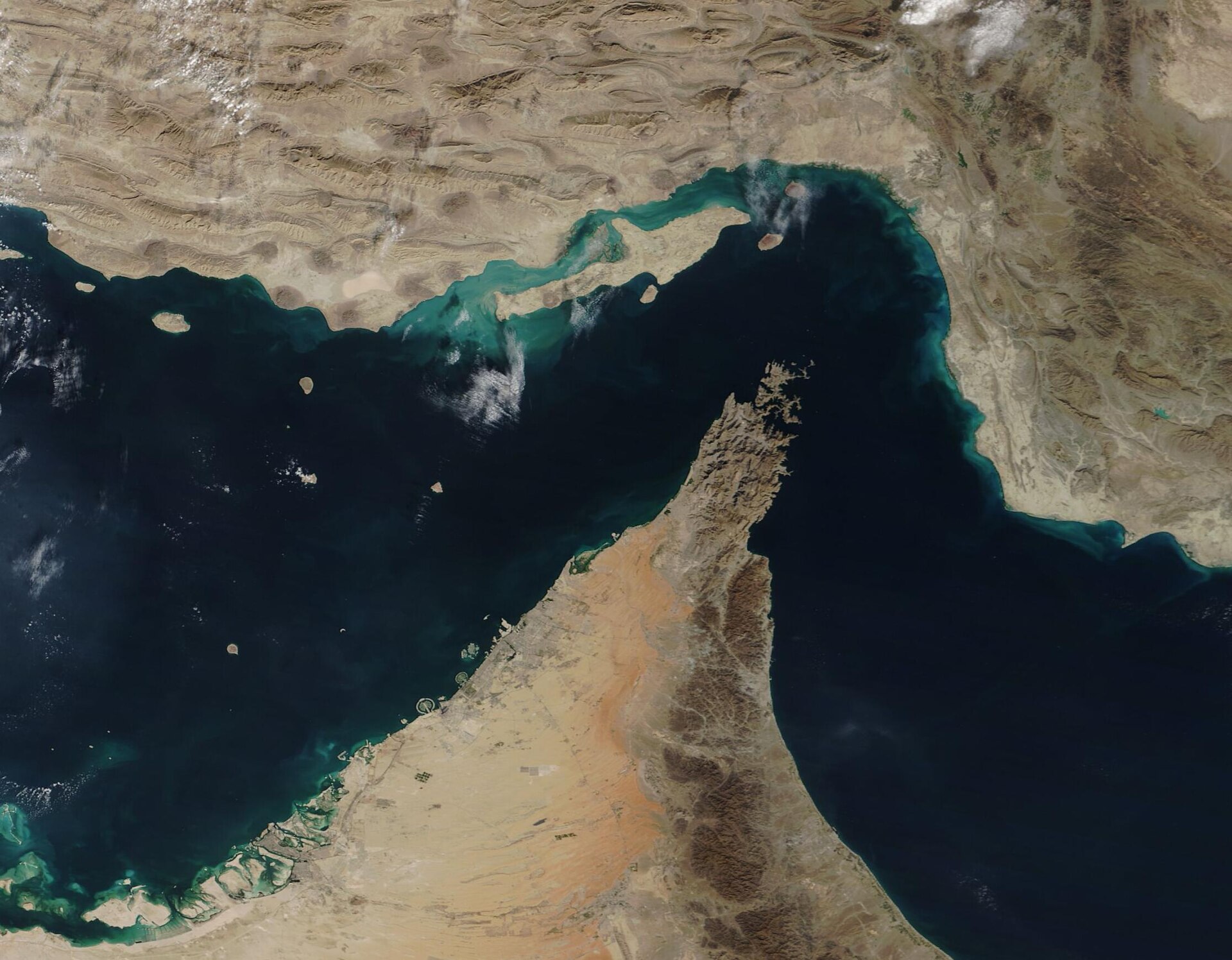
Jet fuel from overseas – especially the Middle East – is crucial to the European aviation industry, which largely depends on such imports to operate. In particular, Europe relies on imports from the Gulf region, which typically would make up more than half of its supply, but these imports have been disrupted by the closure of the Strait of Hormuz amid the conflict.
Contradictory Information
When speaking with journalists in the UK about the situation, Váradi suggested that European reliance on jet fuel supplies from the Middle East is impractical and should be addressed more broadly, but at the moment, fuel shortages are not a major issue in Europe. He commented:
“I don’t think we’re going to be running out of fuel […] I know for a fact that tankers are going to the United States to pick up jet fuel and bring that to Europe.”
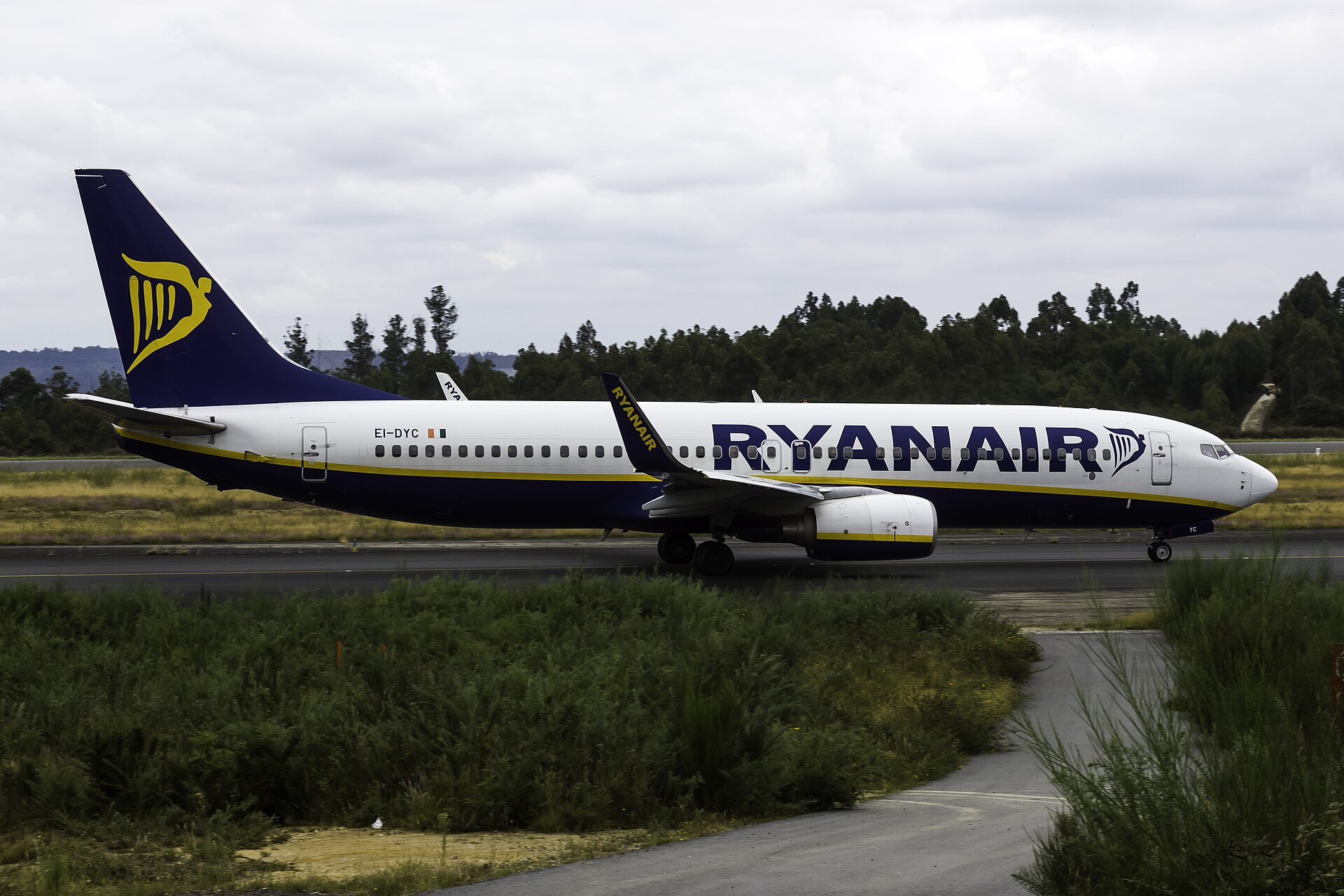
Váradi’s statements regarding European flight prices and fuel shortages stand in contrast to what other airlines have already proclaimed. For example, the UK-based budget airline, and competitor to Wizz Air, Ryanair, has announced limited clarity about fuel supplies for the summer, and the airline’s CEO, Michael O’Leary, emphasised the unpredictability of the situation:
“At the moment, suppliers believe May should be fine, but from June onward there is real uncertainty. If fuel does not arrive, flights cannot operate. That becomes a much bigger problem than simply paying more.”
O’Leary also suggested that Wizz Air is vulnerable to collapse if fuel prices remain as they are. Wizz Air strongly dismissed this assessment.
To Fly or Not To Fly?
Váradi’s comments imply that anxieties about fuel shortages and increased fares stem from a generalised picture of a larger, more complex situation and do not necessarily reflect the realities of price hedging and stock maintenance.
The UK government‘s aviation information page states that the government is working closely with the aviation sector and that airlines are not currently reporting active fuel shortages. As such, the current government advice remains that it is unnecessary for passengers to change their travel plans.
Do you think fuel shortages are on the horizon? Let us know in the comments below.








Great article, i really enjoy reading it, i hope you post more, keep up the good wok , is gona come follow you for more , nice reading it.