
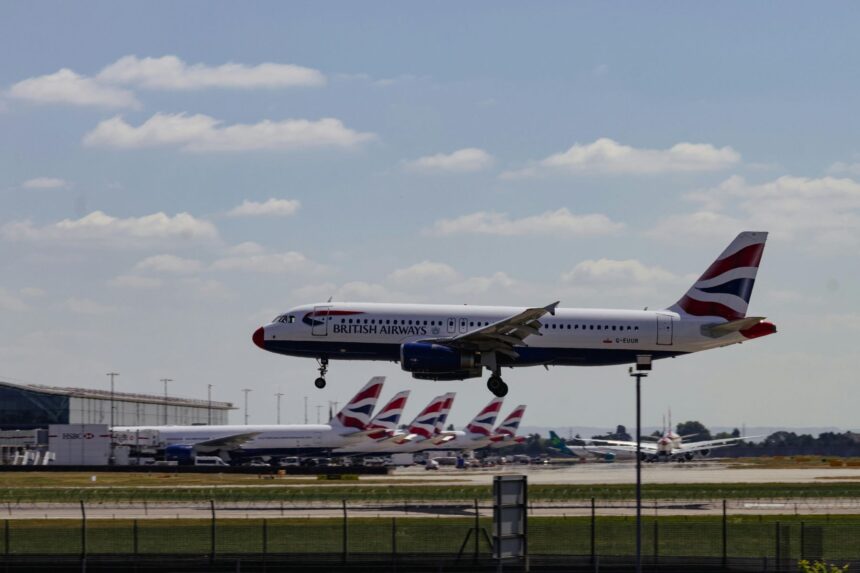
The UK aviation industry warns of disruptions as the last known shipment of jet fuel is expected to arrive this week, as conflict continues in the Middle East.
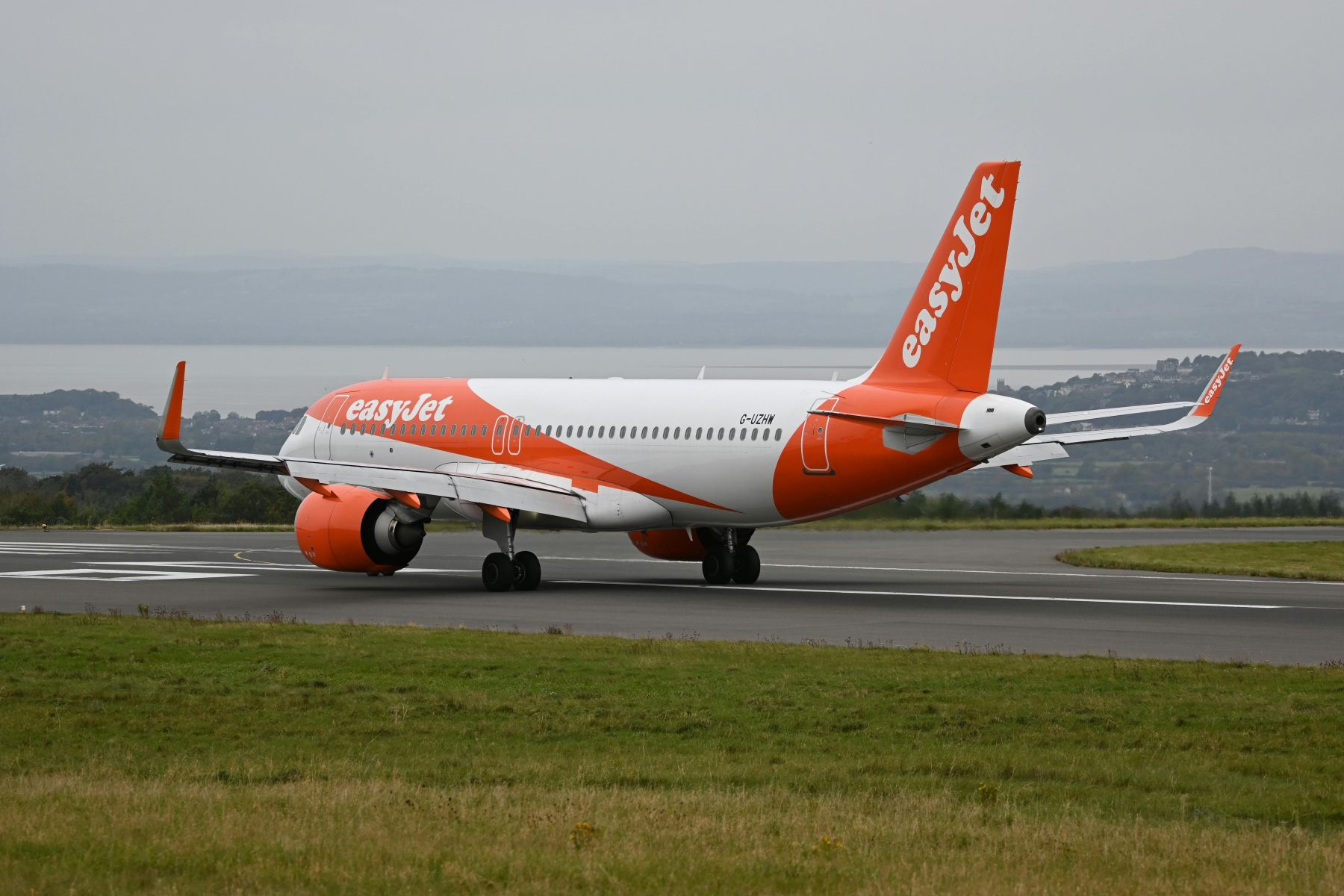
The war’s impact on UK airlines and travellers
The UK’s last known shipment of jet fuel from the Middle East is due to arrive within the week, amid alarm over shortages due to the ongoing US-Israel strikes on Iran, according to the Financial Times. The shipment, on the Libyan-flagged ‘Maetiga’ vessel, is expected to arrive in the UK around Thursday from Saudi Arabia, with no other shipments to the UK currently known to be on route.
The Strait of Hormuz, a critical oil trade route, has been closed for about one month since the start of the Middle East conflict.
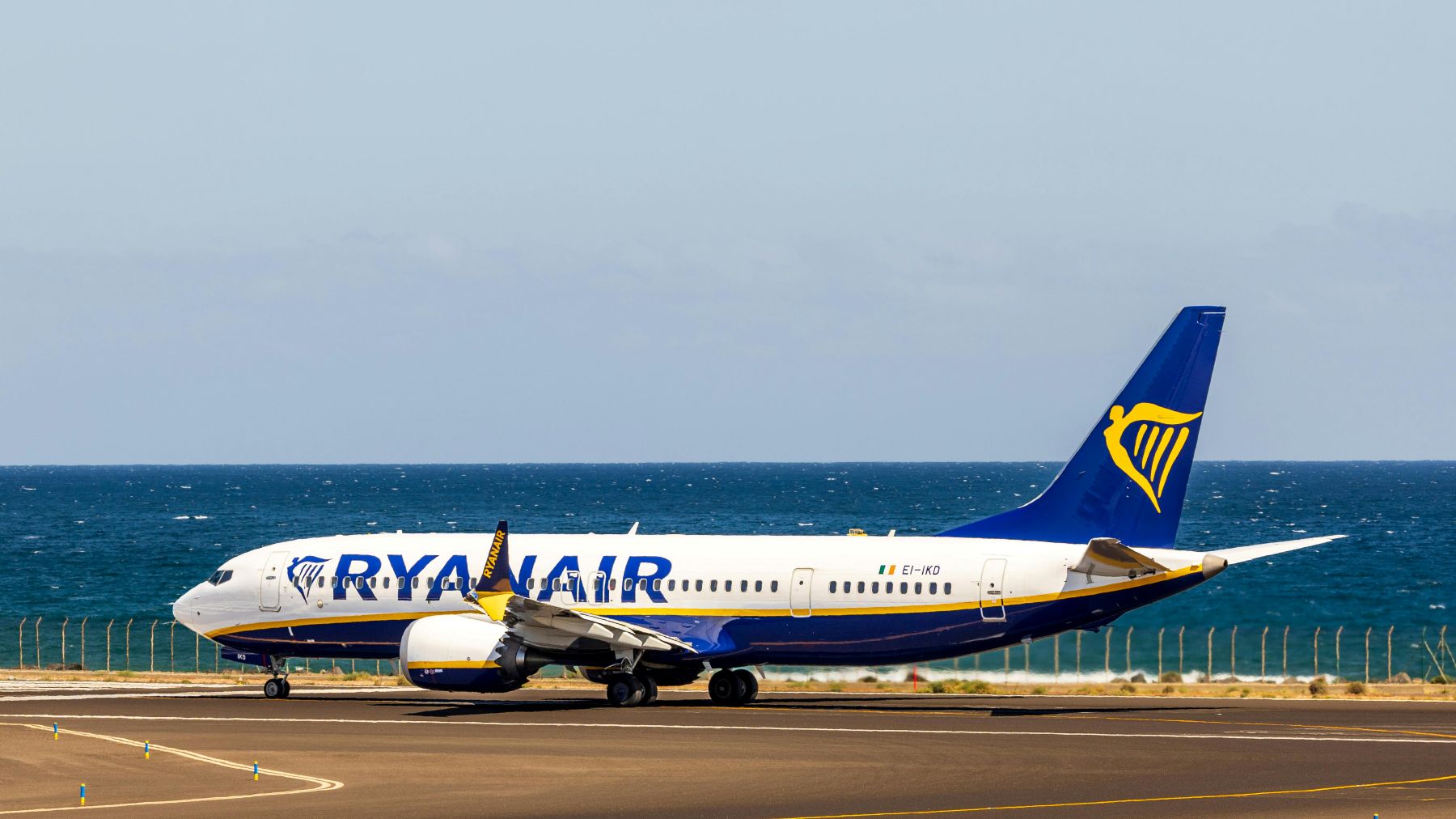
Following the mounting disruptions, airlines could face a sharp increase in jet fuel costs, including some of the most popular and busy airlines, such as Ryanair, Jet2 and EasyJet.
The government has urged people to remain calm and book their summer holidays as normal; however, industry analysts say that airlines will start to be hit at the end of April if the supply constraints persist.
UK jet fuel supply
Europe receives about 40% of its jet fuel via the Strait of Hormuz, which is nearly completely closed. The UK receives supplies direct from the Middle East while additional supplies come in indirectly, from Belgium and the Netherlands.
According to the government, Kuwait is the ‘primary source’ for imported jet fuel to the UK. The total amount is at 4.1 million tonnes, which is roughly 38% of the UK’s total that it imports. The United Arab Emirates and Saudi Arabia also each provide more than 1 million tonnes of jet fuel to the UK.
In the UK, jet fuel consumption is rising as according to the Civil Aviation Authority (CAA), UK flights reached a new record in 2025.
The UK’s largest airline, EasyJet, in its January update said 84% of its jet fuel needs were hedged in the first half of the year, falling to 62% in the second half.
Prices have passed the $1,700 per tonne mark in Europe. This is higher than the price spike seen in summer 2022 following Russia’s invasion of Ukraine.
What do you make of this latest development? Let us know your thoughts in the comments.