
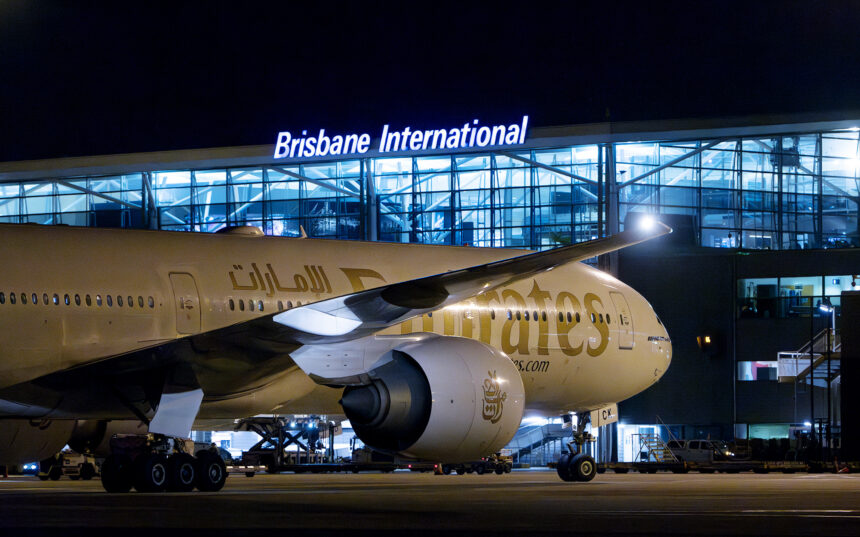
Companies such as FlyORO are at the forefront of developments in the Sustainable Aviation Fuel (SAF) industry. FlyORO hopes its programme of modular blending solutions can make SAF more accessible and increase the fuel’s popularity with airlines across the globe. The company is however aware that sustained progress will require collaboration between airlines, fuel producers, and national governments.
What is Modular Blending?
Blending refers to a process where unblended alternative fuel sources such as feedstock, known as neat SAF, is combined with traditionally sourced jet fuel, derived from crude oil. This creates a mixture known as blended SAF which can reduce carbon emissions by up to 80%, depending on what proportion of the final mixture is derived from SAF, according to the International Air Transport Association (IATA).
Modular blending schemes aim to find the cheapest, most strategic, and most convenient point in the fuel production process for blending to take place. This reduces the cost of producing the blended SAF, theoretically making it more accessible for airlines.
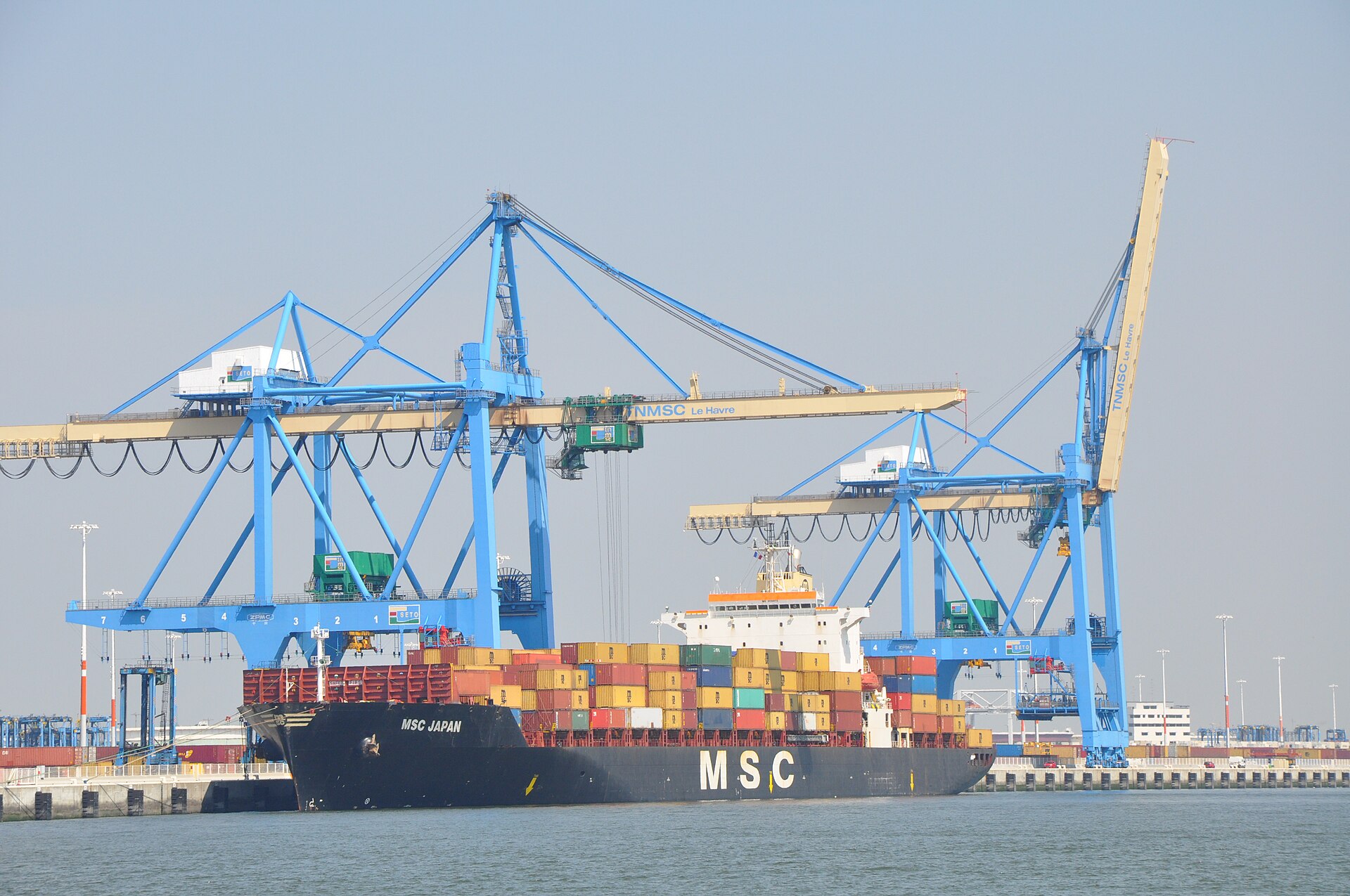
Blending schemes can be roughly split into three groups. Upstream blending occurs at oil refineries, where fuel is mixed at a large scale. Midstream blending takes place at specialist facilities, such as Le Havre facility in France. Downstream blending is carried out at airports.
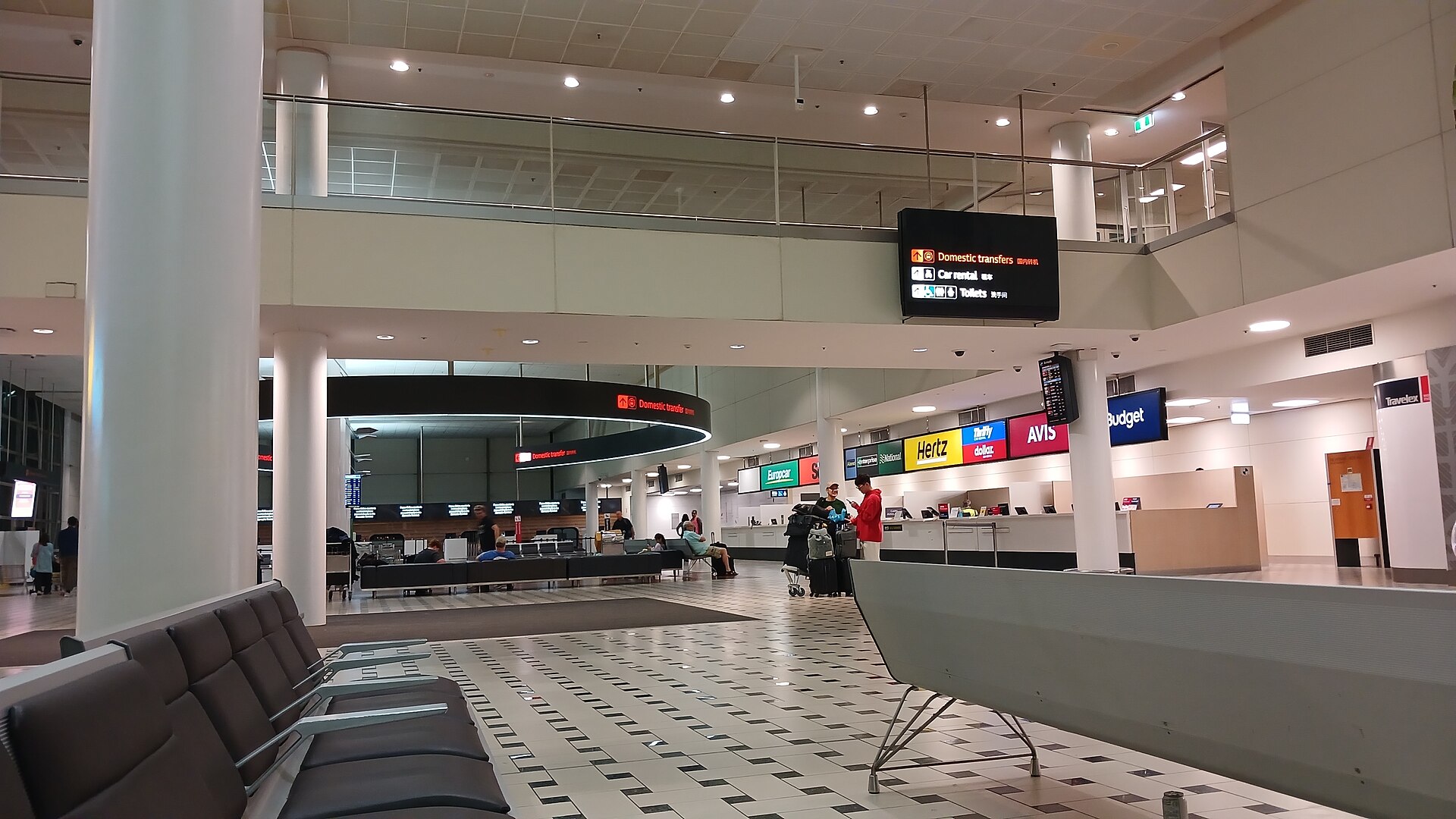
This modular approach allows the blending to be integrated into the supply chain without fuel providers having to sacrifice capacity at storage facilities. One example is the Pinkeba Terminal in Eastern Brisbane, which supplies downstream blended SAF to Brisbane Airport (BNE).
What Is Delaying SAF’s Progress?
Estimates from the IATA suggest that SAF will account for roughly 0.8% of global aviation fuel use in 2026. This is despite the technology having first been used on commercial flights in 2008, and international organisations such as the European Union attempting to promote its use.
Jamie Ong, the marketing lead at FlyORO, believes that a lack of blending capabilities “is starting to become a real bottleneck” to the SAF becoming more widespread. She also accepts that SAF has traditionally been too expensive for many airlines to invest heavily in, but is confident that modular blending can lower some of these costs.
“Everything is still within the fuel cycle,” she said. “Blending closer to the point of use helps to reduce the delivery cost of SAF.”
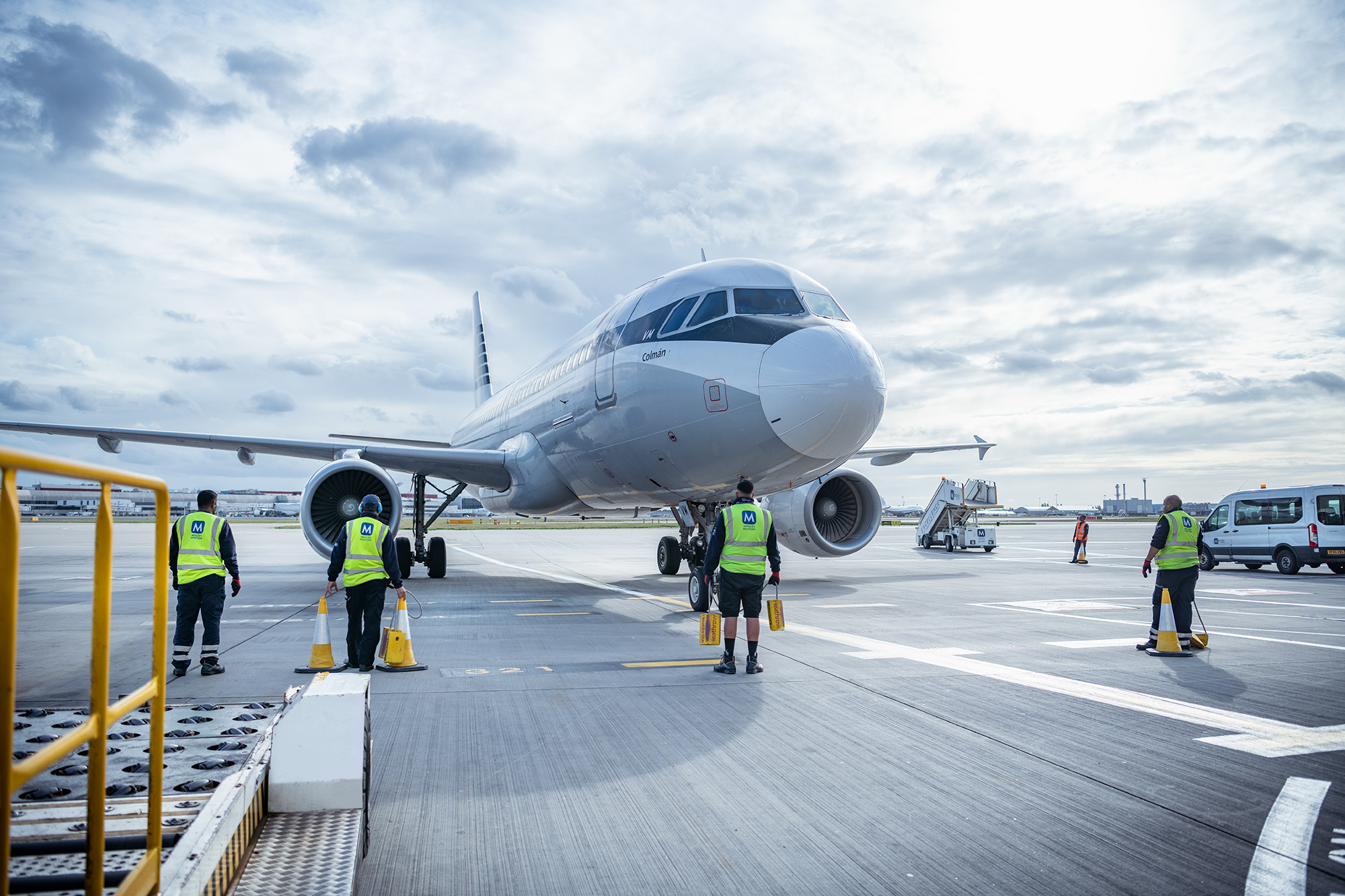
FlyORO currently has a memorandum of understanding in place with airport services provider Menzies Aviation. Under the agreement, both companies will examine how best to implement FlyORO’s AlphaLite blending system across a range of airports, including in the UK.
What is the Future of SAF?
Unlike other sustainable alternatives to traditional jet fuel, such as electric and hydrogen powered aircraft, SAF primarily reduces carbon output in fuel production, rather than both production and consumption.
Despite this limitation, FlyORO believes that SAF will play a central role in future efforts to improve the sustainability of the aviation industry.
Ong said that her company is speaking with stakeholders across the SAF production supply chain about potentially using the AlphaLite system.FlyORO is also keen to work with national governments to better understand their fuel production regulations.
“SAF is definitely going to be the default in the short and medium term” Ong said. “It is becoming a way for airlines to diversify away from traditional jet fuel.”
She also highlighted the impact geopolitical events can have on traditional jet fuel production lines. Crude oil prices have repeatedly risen and fallen since the outbreak of the US-Iran conflict in March 2026.
Traditional jet fuel prices are far more dependent on crude oil than SAF alternatives, meaning that unexpected oil price rises will often reduce the additional cost to airlines of using SAF.
Can SAF ever replace traditional jet fuel? How can it be made more accessible? Let us know what you think in the comments.