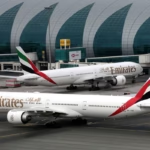
For two decades, the Middle East has transformed from a regional aviation market into the centre of global long-haul air travel. Airports in Dubai (DXB), Doha (DOH), Abu Dhabi (AUH) and increasingly Riyadh (RUH) now connect millions of passengers between Europe, Asia, Africa and Australia. But the dominance of these Gulf mega-hubs is entering a new phase, one shaped by geopolitical instability, new aircraft technology and rising international competition, according to the Economic Times.
Dubai Built the Modern Transit Hub
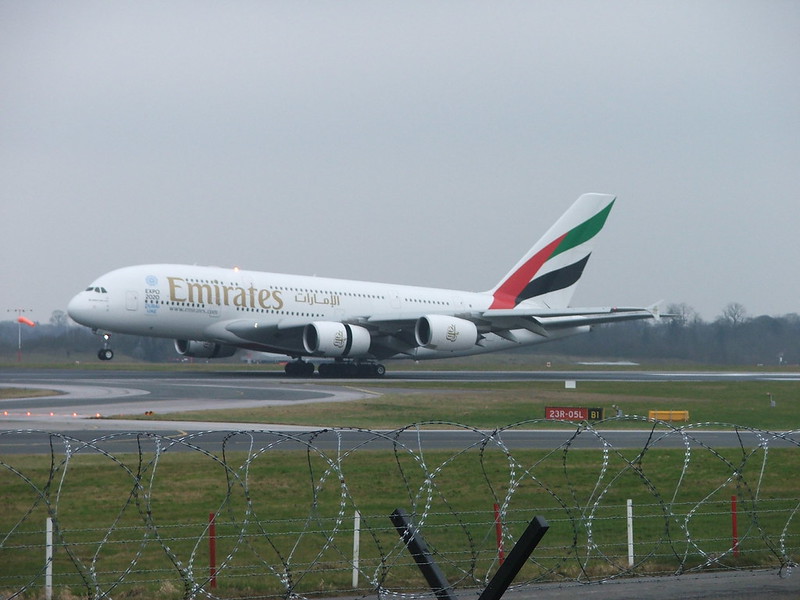
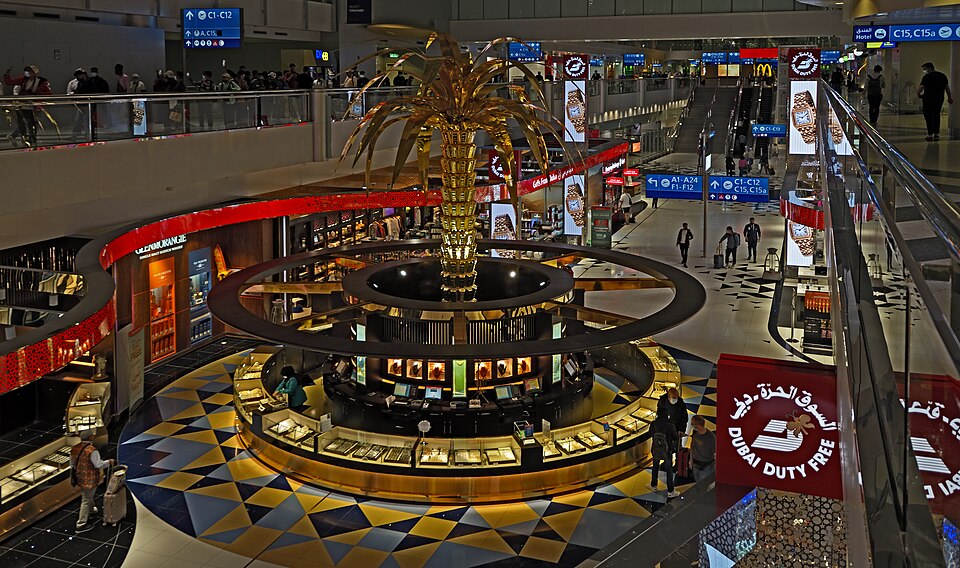
Dubai International Airport (DXB) transformed itself into one of the world’s busiest aviation centres by leveraging its geographic position between Europe, Asia and Africa. The Dubai Airport handled a record 92.5 million travellers in 2025, according to the International Air Travel Association (IATA). Emirates and Dubai International Airport (DXB) expanded rapidly through a hub-and-spoke model that connected long-haul passengers through a single transfer point. Massive investment in airport infrastructure and premium passenger services helped Dubai dominate international transit travel.
Doha (DIA) and Istanbul (IST) have emerged as major competitors to Dubai, challenging its long-standing dominance as the region’s leading global transit hub. Both cities have invested heavily in airport infrastructure, premium airline experiences, and strategic long-haul connectivity between Europe, Asia, and Africa. Qatar Airways and Turkish Airlines have expanded aggressively, while Saudi Arabia is investing heavily in aviation through Vision 2030 and the launch of Riyadh Air.
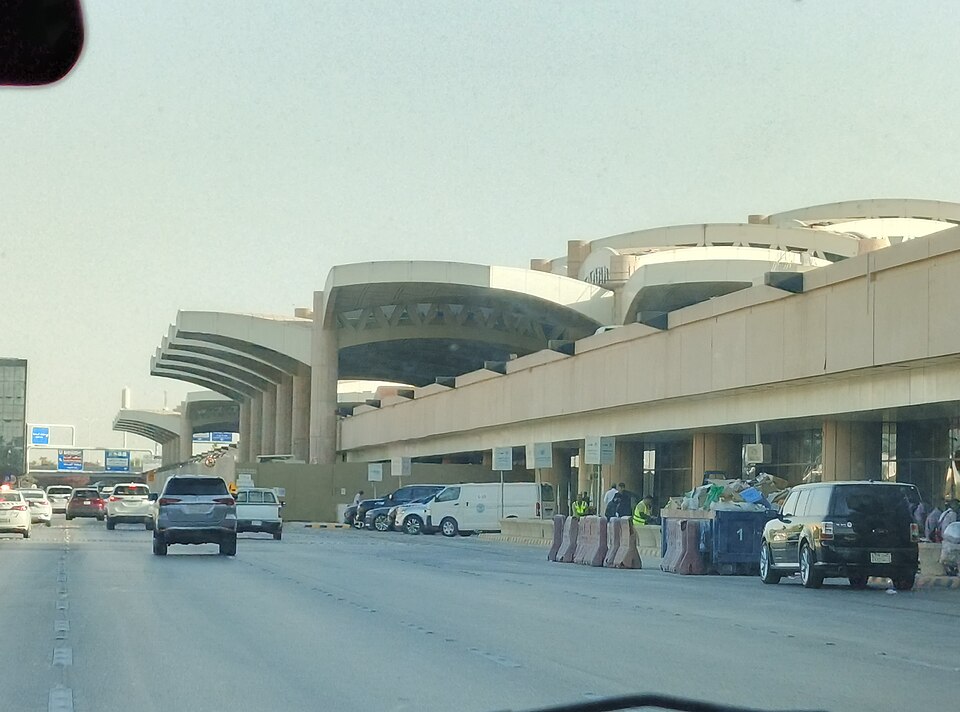
The Kingdom plans to turn Riyadh into a major global aviation hub through a series of large-scale infrastructure and tourism initiatives tied to Saudi Arabia’s Vision 2030 strategy. These plans include the development of the new King Salman International Airport, which is expected to become one of the world’s largest airports by passenger capacity, as well as major investments in tourism, hospitality, and business travel. This development will also diversify its economy beyond oil, according to the Times.
Conflict and Technology Could Reshape Air Travel
Regional instability has increasingly exposed the vulnerability of the Middle East’s aviation network, where a large share of global long-haul traffic depends on a handful of major hubs.
During recent regional conflicts, airlines including British Airways, Lufthansa and Air France temporarily suspended or rerouted flights to parts of the Gulf, increasing fuel costs, flight times and operational disruption across international routes. Reuters reported that disruptions in Middle Eastern airspace forced airlines to redesign flight paths connecting Europe and Asia.
At the same time, advances in aircraft technology are reshaping travel patterns. New ultra-long-range jets such as the Airbus A350 and Boeing 787 now allow airlines to operate more nonstop routes. Ultimately, reducing reliance on traditional transfer hubs in Dubai and Doha. Despite these pressures, the region is expected to remain a dominant force in aviation, according to Reuters.
Airbus forecasts that the Middle East’s commercial aircraft fleet will more than double by 2044, driven by continued passenger demand and large-scale investment in airport infrastructure and national airlines.
What do you think of this emerging rivalry and how it could reshape air travel? Let us know in the comments below.