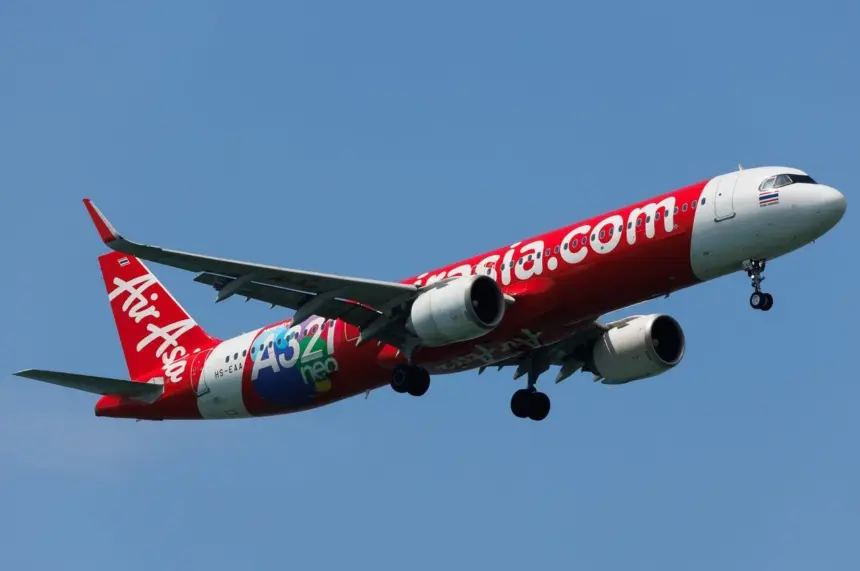
The Thai branch of AirAsia has announced the temporary closure of its base at Suvarnabhumi Airport, Bangkok (BKK). Flights from BKK to ten domestic destinations have been suspended until at least October 1st. No official reason has yet been given for the decision, but Thai Air Asia has previously reduced services due to high fuel costs.

What has been announced?
All Thai AirAsia flights from its BKK base will be suspended until at least the beginning of October.
This includes its 21 weekly flights from BKK to Krabi International Airport (KBV), and 17 weekly flights to Hat Yai International Airport (HDY).
Services to KBV, along with those to Chiang Mai International Airport (CNX), and Phuket International Airport (HKT), are scheduled to resume Oct. 1.
Most of Thai AirAsia’s domestic services, including those to HDY, are suspended until Oct. 25, however, with flights from BKK to Buriram Airport (BFV) not scheduled to resume until Oct. 27.
A total of 115 weekly Thai AirAsia flights will be suspended for at least the next two months.
Why has this decision been taken?
No one from Thai AirAsia, or its parent company, the Malaysian based AirAsia, has yet given a formal explanation of why the services have been suspended.
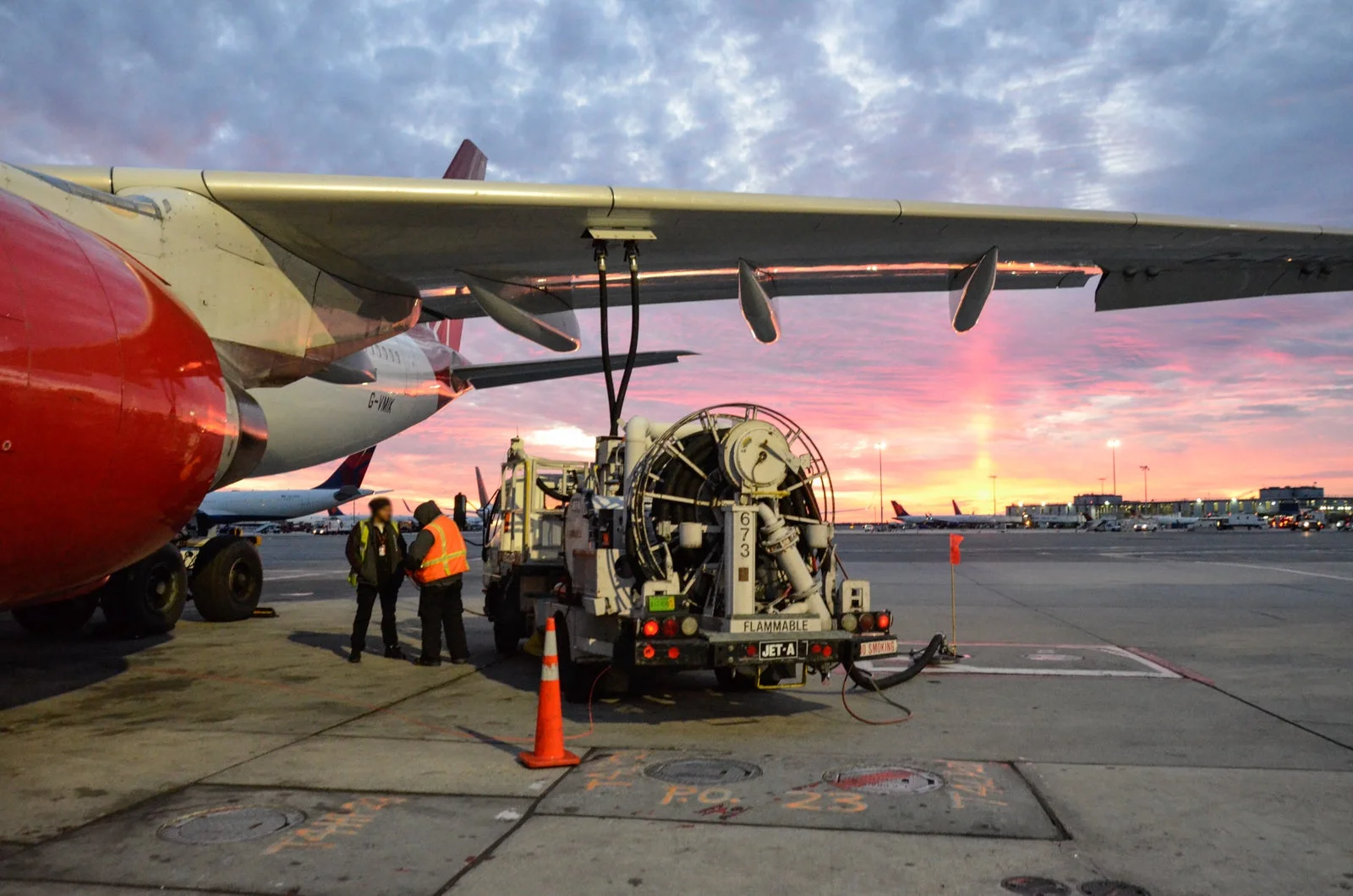
When Thai AirAsia reduced its seat capacity by 30% during May and June of this year however, it cited rising jet fuel prices as the main reason.
The airline’s CEO, Phairat Pornpathananangoon, said at the time that aviation fuel was Thai AirAsia’s “primary operating expense”.
“We must rigorously optimise our operational plans by reducing flight frequencies and temporarily suspending several unviable routes.” He said.
Much like Pornpathananangoon’s previous statement, this announcement follows a rapid rise in the cost of jet fuel.
According to estimates from the International Air Transport Association (IATA), the average price of jet fuel rose has risen by roughly 25% over the last month.
The price rise has been particularly rapid in Asian and Middle Eastern markets, with average jet fuel prices estimated to be over 20% higher in the region July 17, than on July 10.
What could this mean for the wider industry?
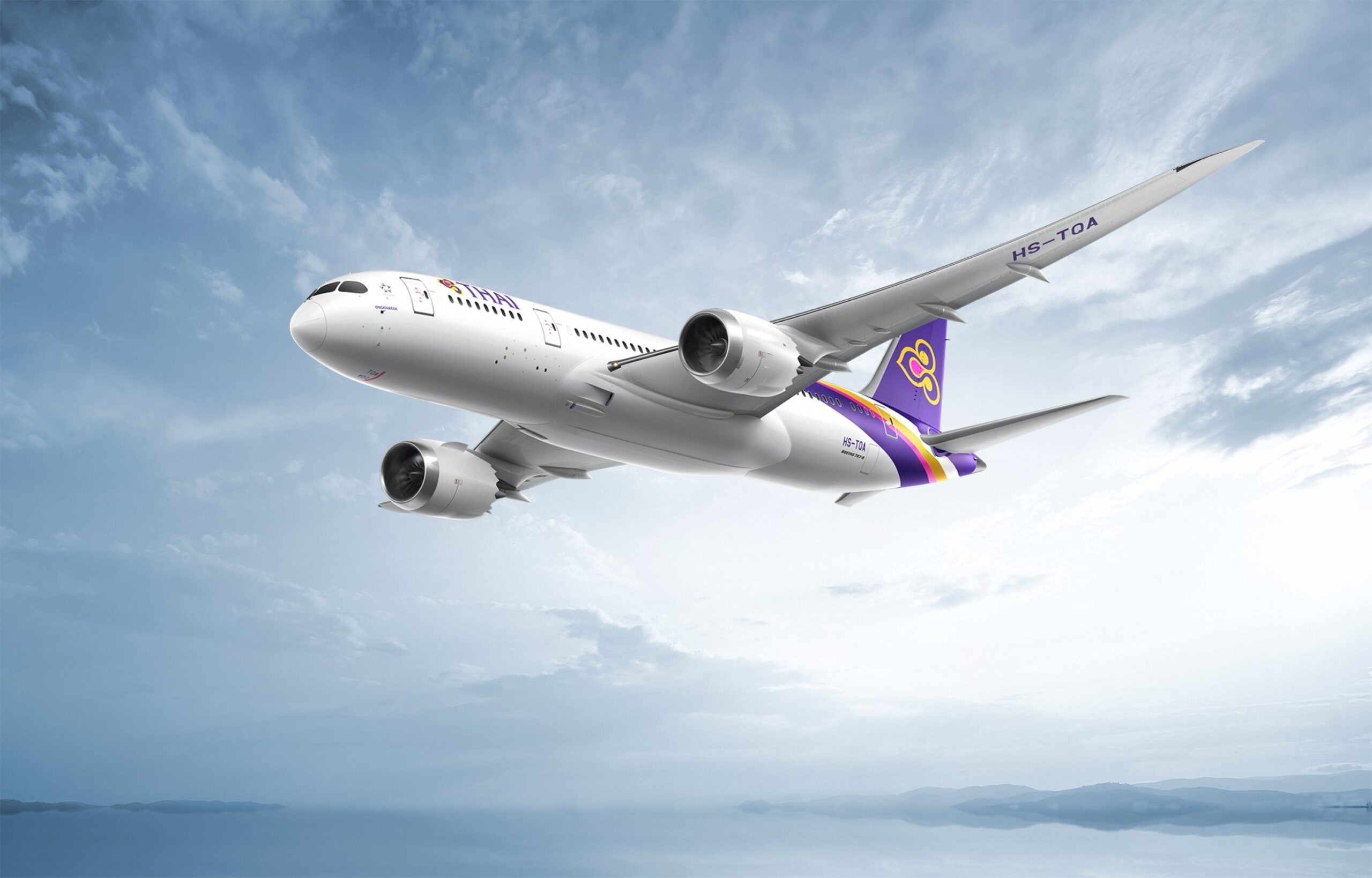
In the short-term, Thai AirAsia’s temporary withdrawal from the part of the domestic market will benefit its national rivals.
Both Thailand’s flag carrier, Thai Airways International, and Bangkok Airways are based at BKK, and regularly operate domestic flights from the airport.
All airlines operating within the region will be impacted by rising fuel prices however, with many likely to either raise ticket prices, or reduce their services, if fuel prices continue to rise at this rate.
While Thai AirAsia will benefit from its connections to the larger AirAsia group, rising jet fuel prices will place additional pressure on smaller airlines, which will have fewer areas in which to potentially cut costs.
Will you be flying to Thailand this autumn? How will rising jet fuel prices change aviation? Let us know what you think in the comments.