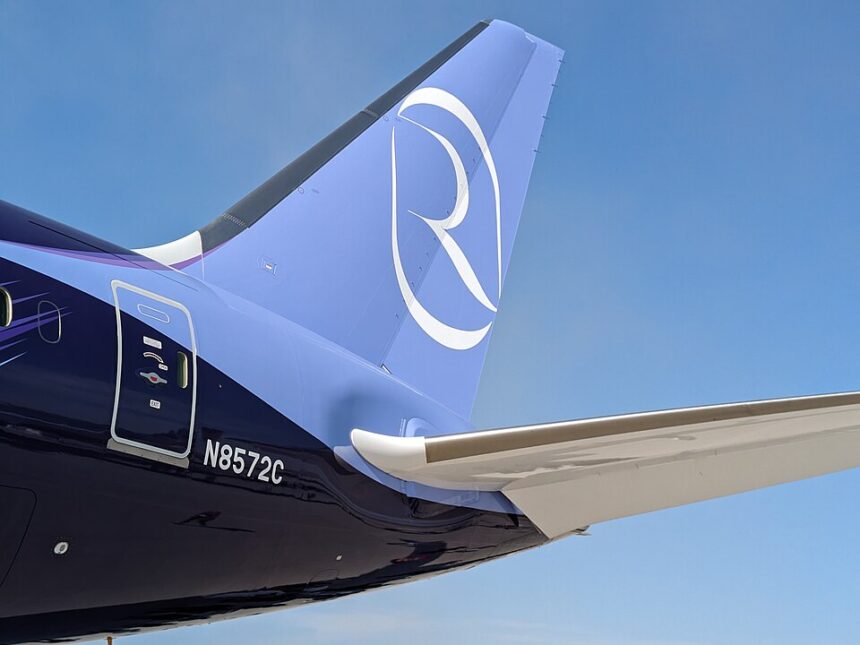
Saudi Arabia’s new airline, Riyadh Air, has obtained approval from the U.S. Department of Transportation (DOT) to formally execute flights to and from the United States, a high-profile milestone as the airline moves toward wider international standardisation.
What did DOT actually approve?
The Department of Transportation issued on June 16, 2026, grants Riyadh Air an exclusion that takes effect immediately and offers temporary approval for a stretched duration of a foreign air carrier permit; it has to clear the department’s standard “show cause” process before becoming permanent.
This is highly important because foreign airlines generally need DOT “economic authority” to sell and execute commercial air service involving the U.S. (mostly via an exclusion or a foreign air carrier permit) filed and processed through a public registry system.
DOT’s order also highlights the department found the extra service compatible with the public interest and that the record backed Riyadh Air’s monetary and operational credentials for the authority it demanded.
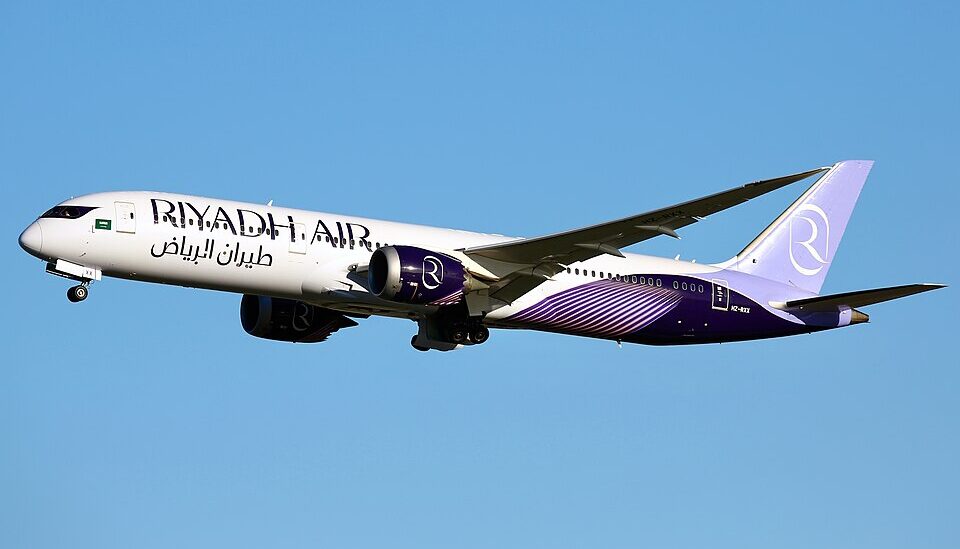
Why is this a big step for Riyadh Air?
Riyadh Air, pioneered in 2023 and owned by Saudi Arabia’s Public Investment Fund (PIF), stated that it looks to serve over 100 international destinations by 2030, and it has been seeking collaborations with global carriers, including Delta Air Lines, according to Reuters.
Delta has said it aims at starting nonstop service from Atlanta to Riyadh in October, Reuters reported. Another indication is that U.S. and Saudi air connections are expected to expand as both countries grow out tourism and business travel demands.
What this means for travellers
In respect of the other passengers, DOT approval doesn’t inevitably mean that Riyadh Air flights to the United States start tomorrow, but it removes one of the largest gates for any new foreign carrier coming to the American market U.S. economic authority to operate.
For the industry, it’s another indication that the Middle East long-distance market is still expanding, with Riyadh branding itself as a new centralised point alongside high-profile Gulf connecting points at a time when global capacity remains restricted by aircraft delivery backlogs and engine congestions.
Do you think Riyadh Air will shake up the transatlantic aviation market? Let us know in the comments below!