
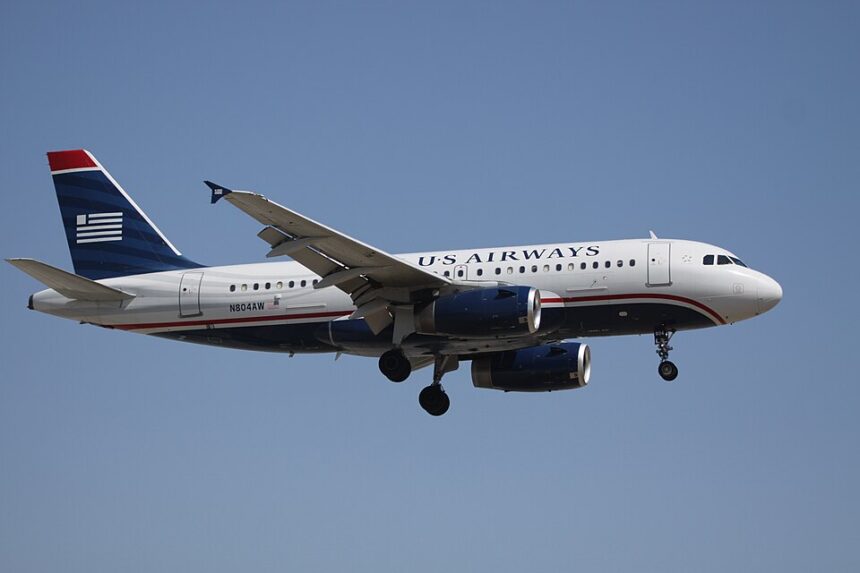
Every day, thousands of flights cross the North Atlantic, making it one of the busiest air corridors in the world. While the route itself isn’t new, the way airlines operate these flights is changing rapidly. New technology, shifting demand and stronger competition are reshaping transatlantic travel, according to The Times.
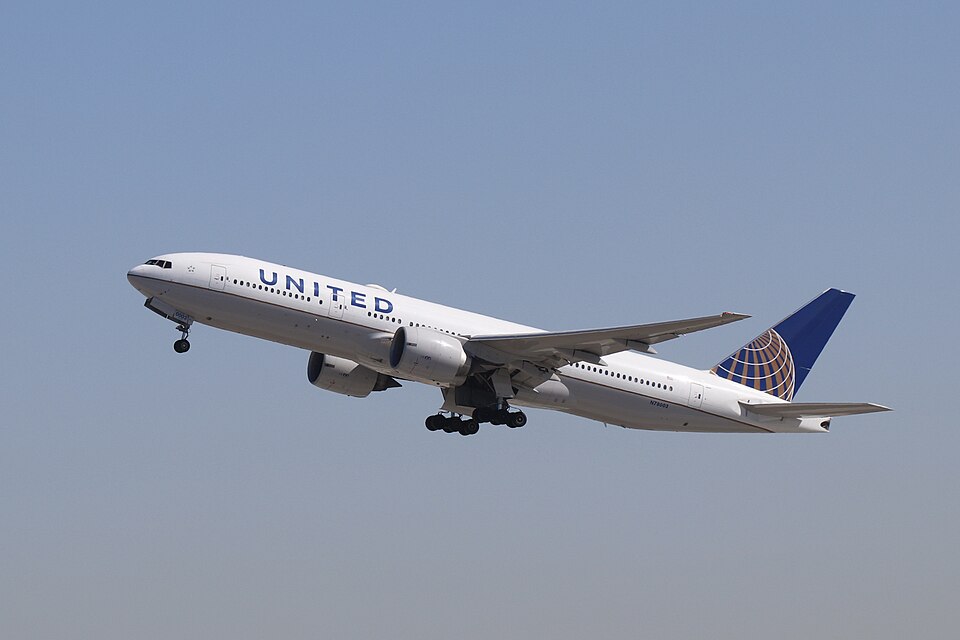
From low-cost flights to premium travel
In the 2010s, transatlantic travel was driven by cheap fares, with budget airlines offering low prices, often with stopovers, to attract passengers. Today, the focus has shifted toward quality, comfort and profitability, according to Bloomberg. Airlines are adding more premium seats, upgrading cabins and improving onboard experiences, as higher-paying passengers generate more revenue than those in economy.
This shift is being powered by new aircraft, particularly the Airbus A321XLR. Smaller and more efficient than traditional long-haul planes, it can fly for up to 11 hours, use significantly less fuel and connect smaller cities that previously couldn’t support direct flights. The Telegraph reports that airlines are already using it to open routes such as Madrid–Newark and Dublin–Nashville.
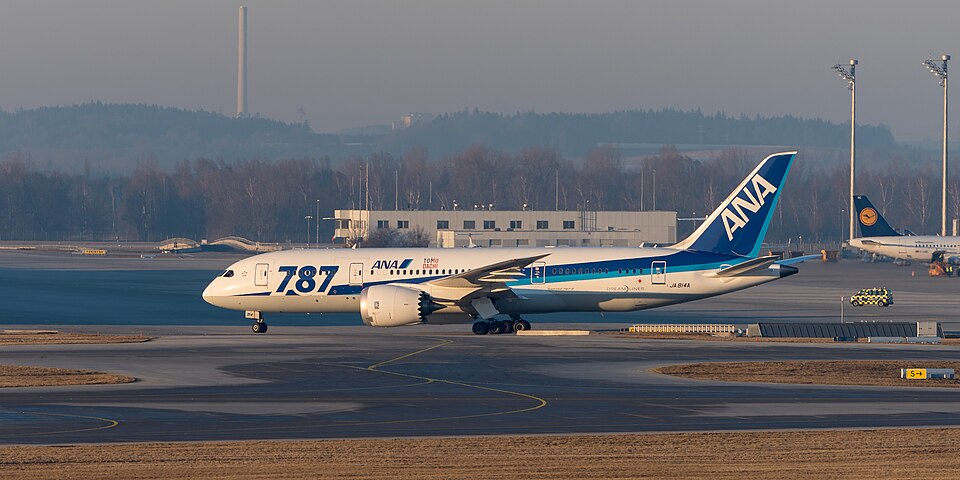
Larger jets, such as the Boeing 787 Dreamliner, are also being redesigned with more premium-heavy layouts and modern amenities, reinforcing the move toward higher-end travel.
However, capacity across the Atlantic isn’t simply expanding. Some lower-cost operators are scaling back. For example, Norse Atlantic Airways has cut its Europe-to-U.S. flights by around 60% in 2026 compared to 2025. This includes dropping routes to Los Angeles. This is partly due to rising oil prices and ongoing fuel supply constraints, according to The New York Post and The Guardian.
Demand, competition and what it means for travellers
Strong demand is driving these changes. Transatlantic travel has rebounded sharply, and major events like the FIFA World Cup 2026 are expected to bring millions of additional visitors, further boosting passenger numbers, according to the International Air Transport Association (IATA).
Airlines are responding by expanding routes, increasing capacity and investing in new aircraft, while also competing more aggressively for high-value passengers. Both established carriers and newer entrants are targeting this lucrative market, but success is not guaranteed. The economics of long-haul travel remain challenging, especially for low-cost airlines, as shown by repeated failures of budget transatlantic models, according to IATA.
What do you think of this new shift in transatlantic travel? Let us know in the comments below.