

Some commercial airspaces in the Middle East have been able to reopen as a result of the two-week ceasefire deal agreed between the U.S. and Iran on Tuesday, April 7, 2026. The main Middle Eastern countries able to open airspace operations have been Iraq, Syria, and Bahrain. This came after United States President Donald Trump agreed to postpone his intended bombing of Iran for a fortnight. With this ceasefire also came a suspension of the strict capacity limits on departures from Israel’s main international airport, Tel Aviv Ben Gurion (TLV).
Partial Opening of Airspace
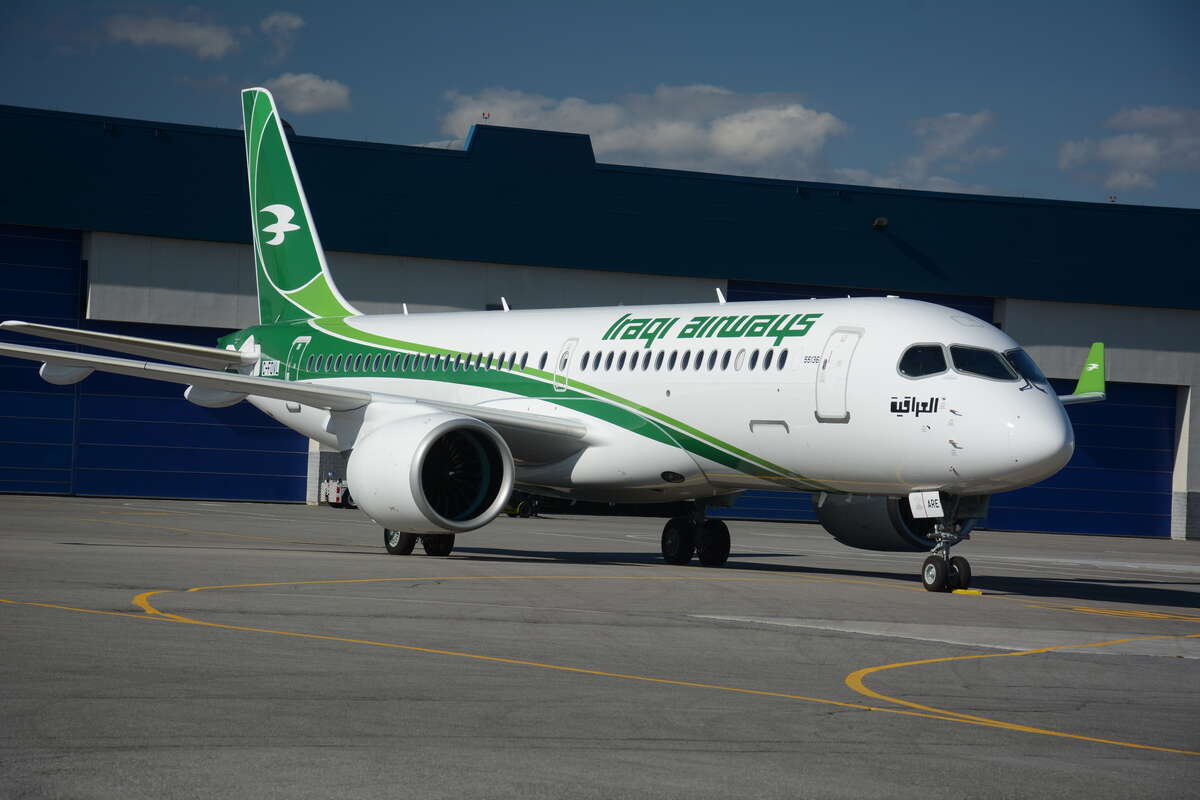
As of April 8, 2026, Iraq has lifted all restrictions on traffic in its airspace, which was completely closed since Feb. 28, according to NOTAMs (Notice to Air Missions) filed.
Similarly, Syria and Bahrain were closed completely since the end of February but have only partially resumed operations in their respective airspaces since the ceasefire was announced. Syria has allowed limited movements from the north of the country in Aleppo, while Bahrain has completely opened its airspace.
However, airlines are still required to secure approval prior to flights. Kuwait and Iran’s airspaces continue to be closed to all civilian traffic.
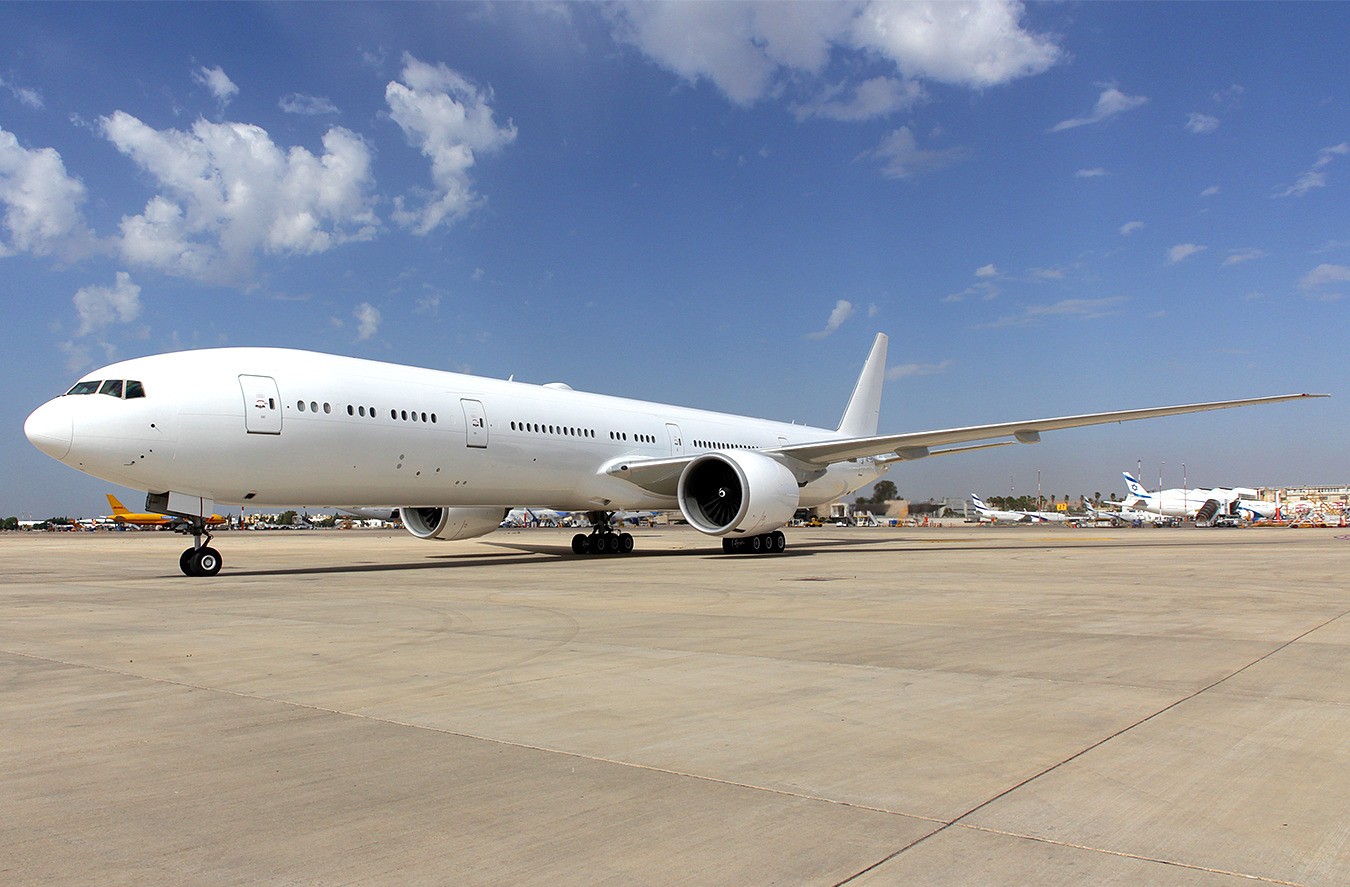
The Israeli government has also suspended all wartime restrictions on airspace operations, including those that reduced airport capacity in Tel Aviv Ben Gurion. These limitations previously prevented the airport from functioning at its full capacity, capping outbound flights at 100 passengers and only allowing two departure flights and two arrival flights per hour. Although the NOTAM closing Israeli airspace remains as of April 9, preapproved flights can be an exception.
Airstrikes and NOTAMS
This situation began when the U.S. and Israel launched airstrikes on Iran on the weekend of Feb. 28-March 1, 2026. Sparking one of the greatest interruptions to global air travel since the COVID-19 pandemic of 2020, this event saw eight countries at least partially suspending operations in their airspace and airports: Iran, Israel, Jordan, Qatar, Bahrain, Kuwait, Iraq, and the United Arab Emirates (UAE).
When these types of decisions are made, an official notice will be issued to alert flight personnel to the change, called a NOTAM (Notice to Air Missions). A NOTAM is a key indicator of whether an airspace is open, and they have been used throughout the unfurling of the conflict between Iran and the U.S.-Israel and will continue to be monitored for updates on the airspaces in the Middle East.

Uncertain (Flight) Paths
Tensions between the U.S. and Iran continue even during the ceasefire, after President Trump’s threat that:
“The entire country [Iran] can be taken out in one night.”
On top of Trump’s comment, Israel’s Prime Minister, Benjamin Netanyahu, while supporting the ceasefire, emphasised that Lebanon was not included in it. Israeli forces have continued to target the country, continuing operations and issuing evacuation warnings in Tyre, launching a wave of airstrikes shortly after.
The country mediating negotiations, Pakistan, invited delegations from the U.S., Iran, and its respective allies to Islamabad on Friday, April 10, to try and reach a diplomatic solution and conclude the conflict, but U.S. vice-president JD Vance has since said these failed.
Do you think a permanent ceasefire is on the horizon? Let us know in the comments below.