Airfares in 2026 continue to fluctuate sharply, with shifting fuel costs, uneven demand, and ongoing supply constraints preventing prices from stabilising across global markets.
Looming jet fuel shortages are raising concerns about potential disruption to summer travel, particularly for passengers flying internationally, as airlines respond to tightening fuel supplies and rising costs. The ongoing conflict involving Iran has heightened fears of supply disruptions across global oil markets, a key source of aviation fuel. According to the BBC and the Guardian, and stated by the head of the International Energy Agency (IEA), parts of Europe could have as little as six weeks of jet fuel reserves, increasing pressure on airlines operating long-haul routes. The International Air Transport Association (IATA) has estimated that fuel typically accounts for 20 to 30% of airline operating costs, meaning price volatility can quickly impact route planning and ticket pricing.
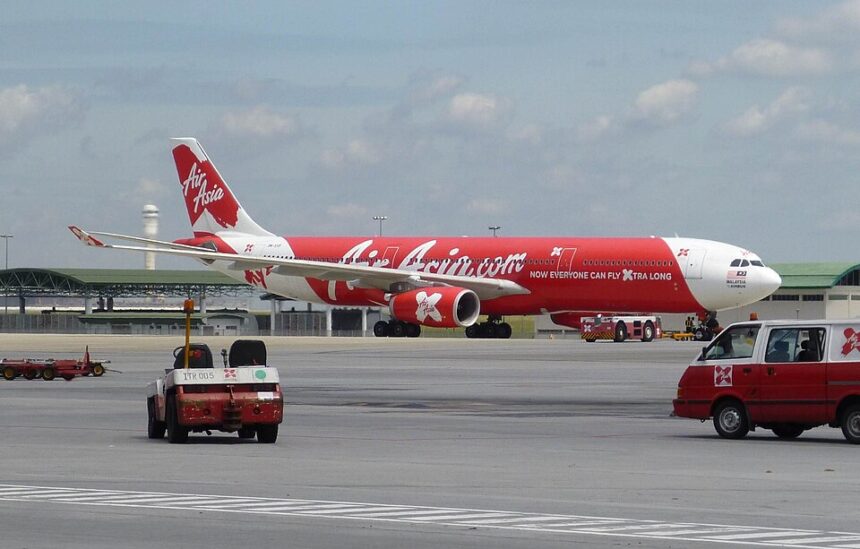
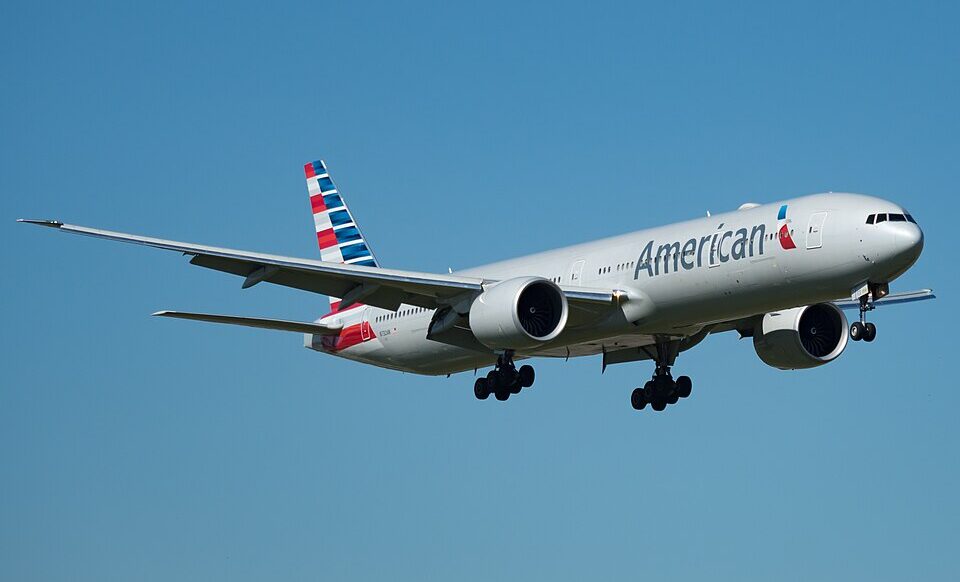
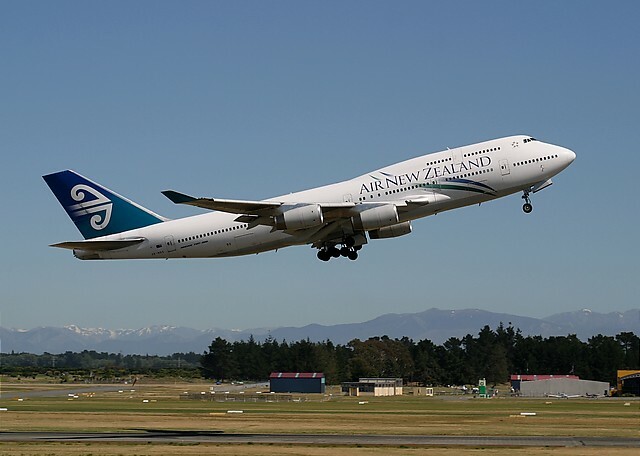
As fuel availability tightens and prices rise, some carriers have begun adjusting schedules, including reducing flight frequencies. Airlines such as Air France, AirAsia, Air India, Air New Zealand, American Airlines and more have all cut flights due to the fuel costs and ongoing conflict, noted by Travel And Tour World.These airlines have also increased costs elsewhere to offset rising jet fuel prices. For example, American Airlines has added an additional $10 fee to its checked baggage, with this amounting to $150 if a traveller wants three checked bags, according to the Daily Express.
For travellers, this could lead to delays, higher fares, or fewer available flights, particularly on international routes where fuel demand is highest. Aviation and travel experts advise passengers to book early, remain flexible with travel dates, and monitor airline updates to minimise disruption if conditions worsen.
Unpredictable passenger demand has made dynamic pricing a central strategy in modern airline revenue management. Airlines now adjust fares in real time based on factors such as booking pace, remaining seat inventory, competitor pricing, and seasonal demand fluctuations. According to an analysis by DWU Consulting and Aerospace Global News, around 80% of airlines globally use some form of dynamic pricing, reflecting its near-universal adoption across the sector.
These systems can generate 5 to 9% higher revenue per passenger compared to traditional fixed pricing models, particularly on competitive routes. Due to this, ticket prices can change rapidly as demand shifts. Airlines use advanced systems to adjust fares and maximise revenue, since empty seats generate no income after departure. However, this makes prices less predictable for consumers, especially during peak travel periods or disruptions like fuel shortages or geopolitical events.
What you think about the current airfare volatility in 2026? Let us know in the comments below…











Great article, i really enjoy reading it, i hope you post more, keep up the good wok , is gona come follow you for more , nice reading it.