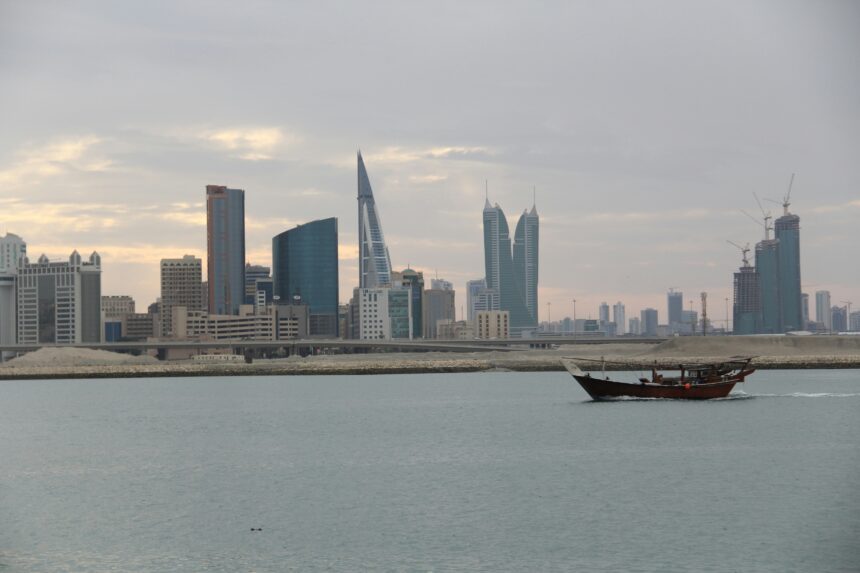
Bahrain’s airspace remains closed due to escalating regional tensions, keeping normal flight operations suspended. However, stranded travellers are beginning to move again after Gulf Air launched limited rescue flights from Saudi Arabia.

Special routes from Dammam
Initially, the carrier ensured the operation of three extended routes through specially designated services:
- Dammam to London Heathrow
- Dammam to Mumbai
- Dammam to Bangkok Suvarnabhumi
Although access remains limited to those holding reservations made before the emergency began, tickets for new travellers remain closed.

Fleet repositioned to Saudi airports
To help with the rescue flights, Gulf Air has moved planes from Bahrain to airports in Saudi Arabia. This shift occurred due to Saudi Arabia keeping its skies open throughout the ongoing crisis.
Information from flight tracking shows the airline is currently employing a combination of small and large aircraft from Dammam and Riyadh, namely:
- Two Airbus A320-200s
- One Airbus A320neo
- One Airbus A321-200
- One Airbus A321neo
Earlier in the week, the airline also moved more aircraft to Al Ula International Airport (ULH) in north-west Saudi Arabia; these were four A320-200s, two A321-200s and six A321neos, which had been moved from Bahrain while the airspace was briefly opened again.

Gulf airspace restricted
Bahrain and Kuwait are the only Gulf nations with completely shut airspace, because of the conflict in the area due to the war in Iran. Moving aircraft around lets Gulf Air keep some of its fleet in use while staying clear of the dangers of flying from Bahrain.
In other areas of the region, restrictions on airspace are beginning to lift. Qatar and United Arab Emirates have restarted some flights. Saudi Arabia and Oman did not close its airspace at any time during the emergency.
The uneven reopening of airspace has caused airlines to change routes, move aircraft and run short-term services, such as Gulf Air’s Dammam rescue flights.
For now, these flights are one of a few options travellers needing to leave or return to Bahrain have. Until Bahrain’s Civil Aviation Authority (CAA) reopen the country’s airspace, Gulf Air states that all scheduled services remain suspended. Rescue flights continue only for passengers who already hold confirmed bookings.
This situation shows how quickly regional conflict can disrupt international aviation, forcing airlines to adapt operations across neighbouring countries to keep passengers moving.
To follow this topic and other developing world issues revolving around aviation, subscribe to Travel Radar today!