
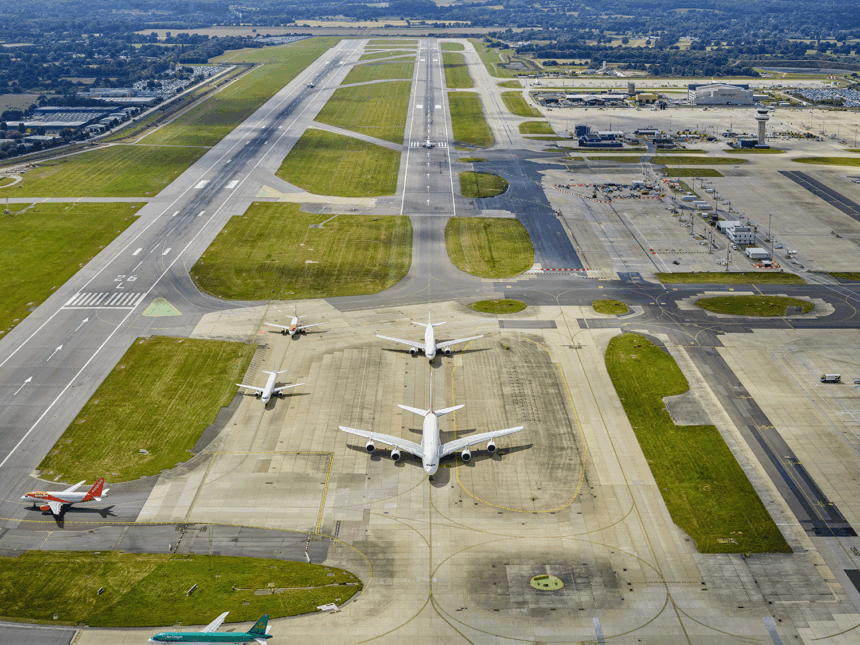
Airlines, airports and air traffic control providers across Europe are preparing for a busy summer travel period as passenger demand continues to recover. While the aviation sector has strengthened operational resilience since the staffing shortages and technical disruptions that affected travel in 2022 and 2023, industry officials continue to monitor challenges, including workforce availability, weather disruption and limited airspace capacity.
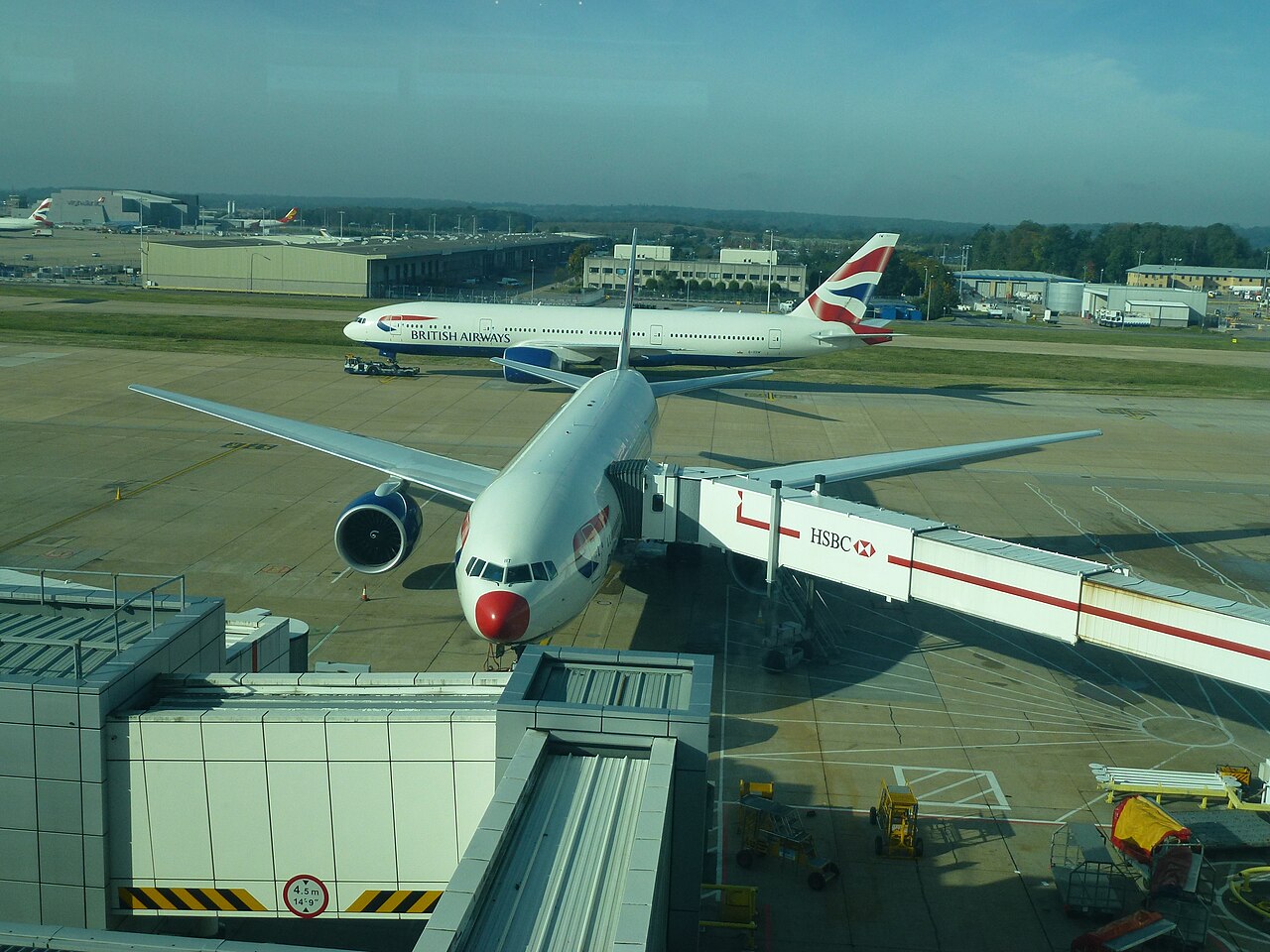
Summer Travel Demand
Aviation executives say operational performance has improved in recent years, but analysts warn that Europe’s increasingly busy airspace network leaves limited flexibility when disruptions occur.
According to the International Air Transport Association (IATA), global passenger traffic grew by 5.8% in 2025 following a 10.6% increase in 2024, according to the IATA. This was driven largely by continued demand for leisure travel. According to the IATA, global passenger numbers are expected to approach 5.2 billion in 2026, setting a new industry record.
In the United Kingdom, London Heathrow Airport (LHR) handled a record-breaking 84.5 million passengers in 2025, exceeding the previous year’s total as airlines continue to expand long-haul operations and introduce additional capacity.
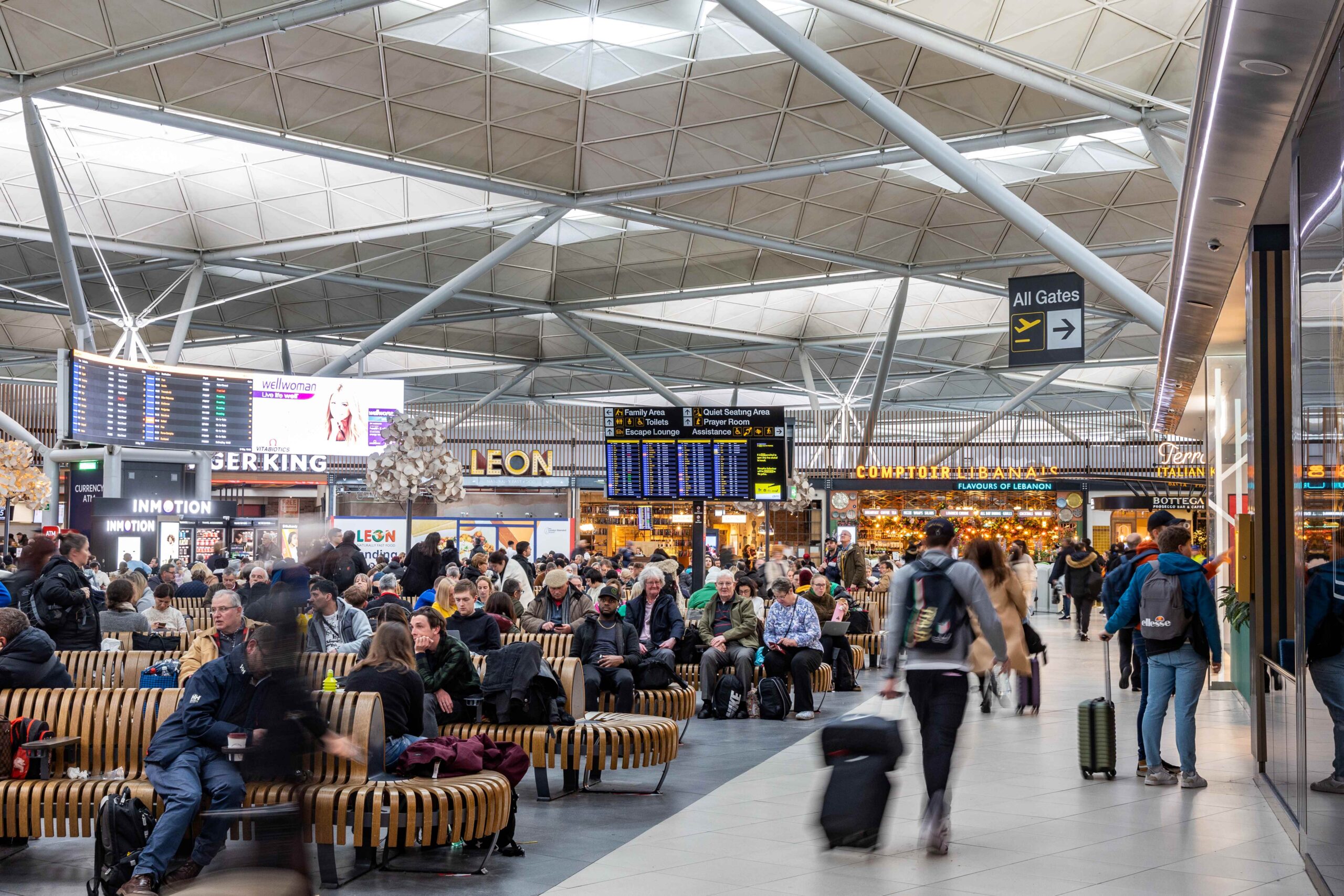
Growing demand adds pressure to Europe’s airspace
EUROCONTROL expects European air traffic levels to increase during the summer travel period, with some weeks forecast to experience significantly higher traffic volumes. The organisation has warned that parts of the European network are operating close to capacity, increasing the importance of coordination between airlines, airports and air navigation service providers.
The continued closure of sections of eastern European airspace following Russia’s invasion of Ukraine, alongside disruption linked to instability in the Middle East, has reduced available routing options and added further pressure to the wider aviation network.
Despite investment in staffing, technology and infrastructure, the industry continues to face operational challenges. Weather events, technical issues, border processing delays, and airport capacity constraints can cause broader disruption across the network, requiring airlines and airports to maintain careful planning during the peak summer travel period.
As demand continues to grow, European aviation stakeholders are focusing on improving coordination, strengthening operational resilience and ensuring that airports and air traffic systems can manage higher passenger volumes throughout the summer season.
Will Europe’s aviation network be able to handle rising summer travel demand? Let us know what you think in the comments below.