


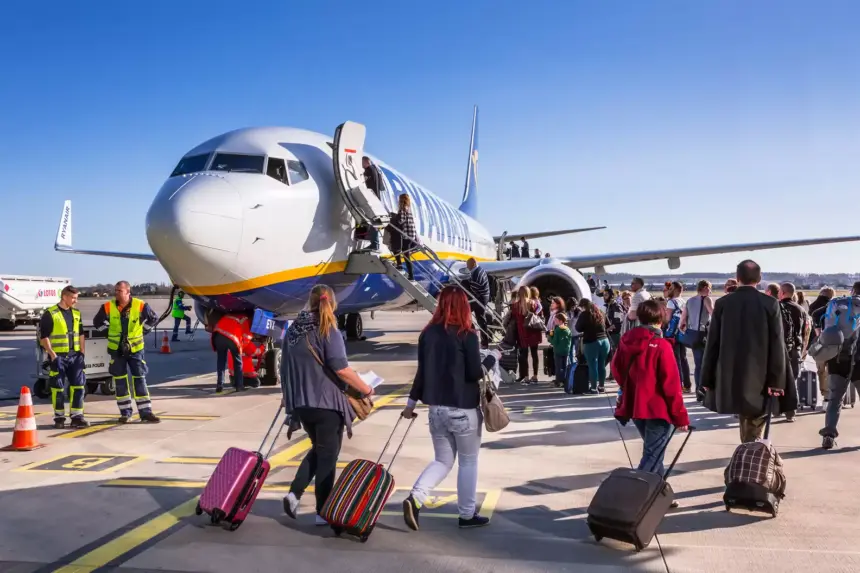
Despite recent geopolitical incidents in Iran and the Middle East and travel warnings given in late February and early March, January 2026 data points to a modest yet steady rise in international and domestic passenger demand, as IATA’s Director General Willie Walsh confirms.
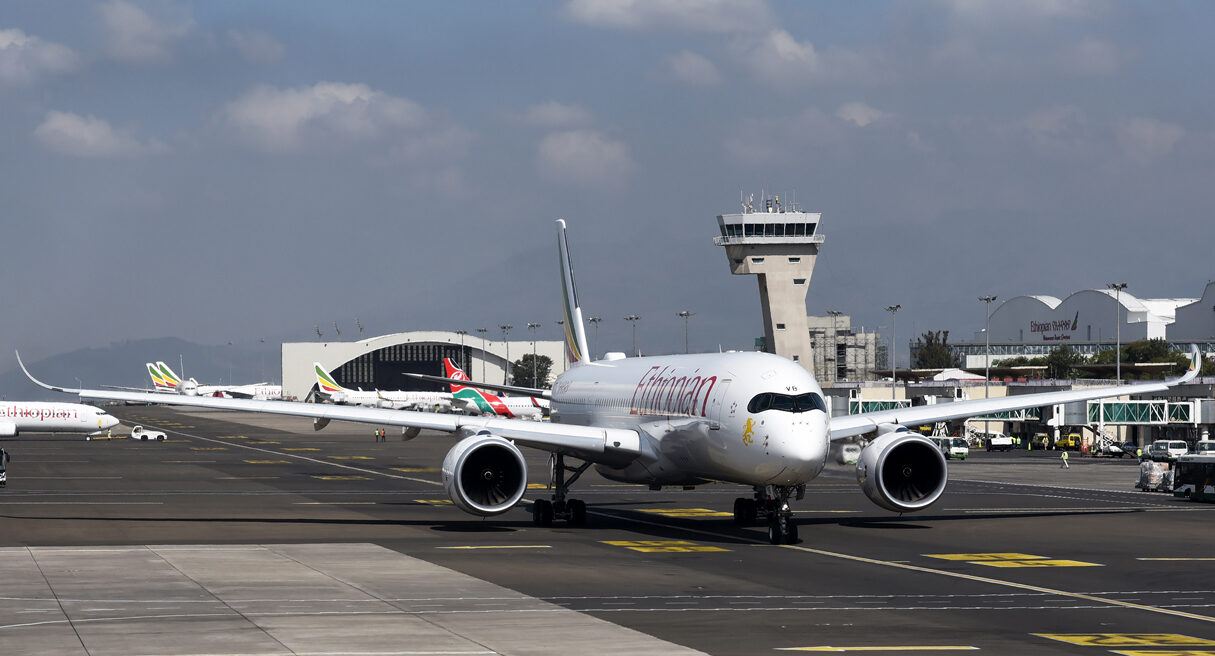
International travel drives January growth
According to the International Air Transport Association (IATA), global passenger demand was up 3.8% in January 2026 compared to January 2025, while airline capacity increased by 3.5%. Passenger numbers are expected to reach 5.2 billion by the end of the year, up 4.4% from 2025, while cargo volumes are estimated to increase by 2.4%, rising to 71.6 million tonnes.
The picture differs when comparing international and domestic travel. Domestic demand across all countries was nearly flat (+0.1%) compared to 2025.
January demand was affected by a shift in the timing of the Lunar New Year, which occurred in January 2025 and then in February 2026. The holiday typically drives a short-term spike in demand in the Chinese domestic market as families travel and reconnect to celebrate. Because the seasonal demand boost falls in different months across the two years, the year-on-year comparison makes January 2026 demand appear lower, with some of that demand expected to shift into February instead.
More promising news is seen on the international front. International travel grew strongly (+5.9%), with planes about 82.5% full, a record high for the month.
Africa gains the top spot in the international markets with the strongest growth at 11.7% demand, while domestically, the standout performer is Brazil with 10.9% growth.

Lower fares signal resilient 2026 outlook
Willie Walsh, IATA’s director general, said:
“The timing of the Lunar New Year partly explains the slightly slower 3.8% expansion in January, but the fundamentals are in place for demand to continue strong growth in 2026. Schedule data, for example, indicates a 5.2% increase in global seat capacity by March, which would be the fastest expansion since April 2024.”
In terms of average flight fares, they are expected to fall in real terms during 2026, providing even more affordable air travel than before. Nonetheless, geopolitical uncertainty and regulatory and cost pressures from rising infrastructure charges remain risks to be monitored in the future.
What are your views on the January 2026 passenger demand growth? Let us know in the comments below!







This is my first time pay a quick visit at here and i am really happy to read everthing at one place