



The U.S. Federal Aviation Administration proposes to cut more flights at Chicago’s O’Hare International Airport (ORD) this summer. The agency now proposes a daily limit of around 2,500 take-offs and landings. A meeting with United Airlines and American Airlines on March 4 ended without a deal. More talks are set for next week.
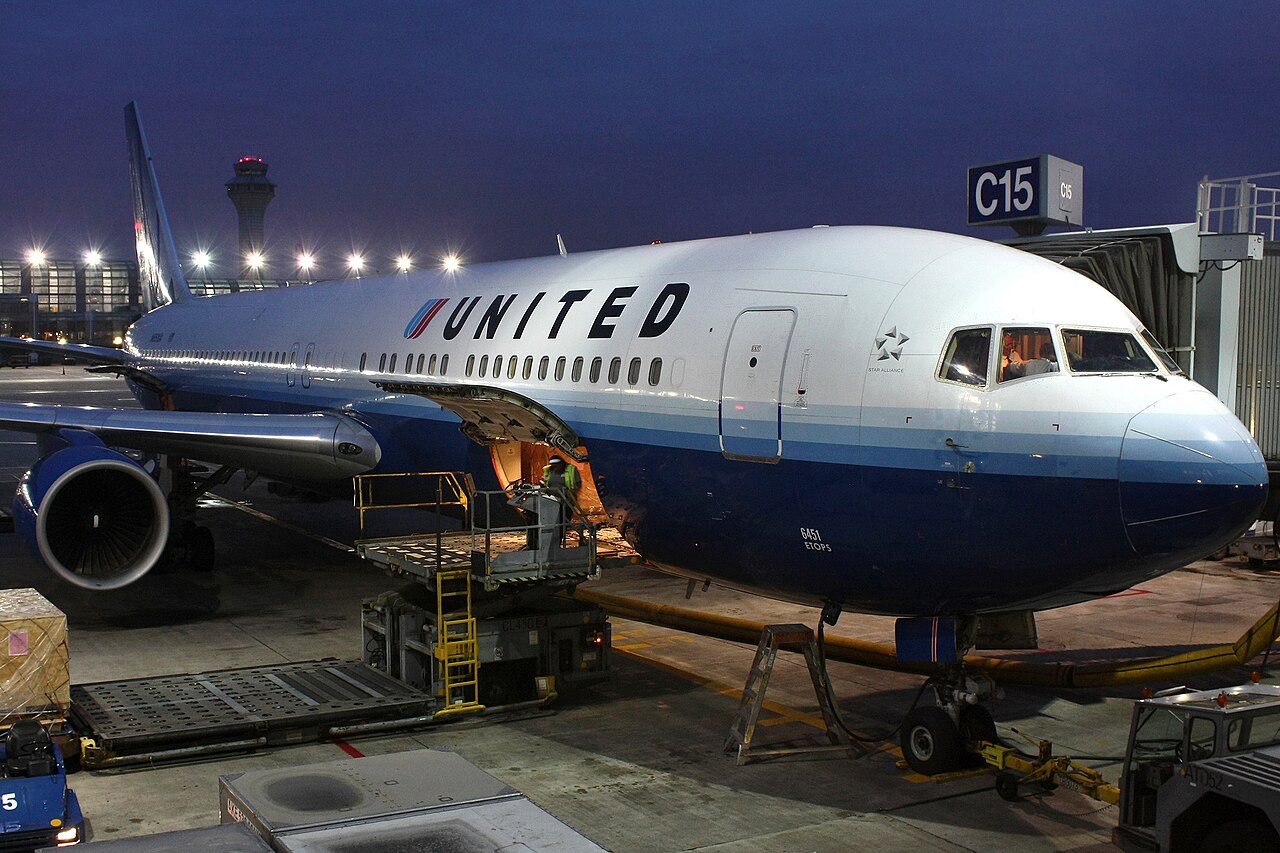
- A United Airlines Boeing 767-300 prepares for departure at Chicago O’Hare International Airport (ORD) © Lasse Fuss
Airlines Clash Over Capacity
The FAA initially proposed a daily limit of around 2,800 take-offs and landings, similar to what the airport currently handles, but, according to Reuters, it later told the airlines that it intended to push for steeper cuts of around 2,500 flights per day. That number remains under discussion.
The proposed cap is meant to address the dispute between United Airlines and American Airlines at O’Hare. The two carriers had planned over 3,080 flights per day, which the FAA warns would overwhelm runways and terminals.
United Airlines plans to increase its mainline departures by 20% this summer, while American has scheduled a 30% rise in spring departures compared to 2025, adding 100 daily flights.
In a leaked memo to staff, American Airlines accused United of “reckless” scheduling that will lead to long taxi times, missed connections, and system-wide disruptions.
United CEO Scott Kirby previously said the airline would add flights to protect its gate count.
“We are going to add as many flights as are required to make sure that we keep our gate count the same in Chicago.”
Following the FAA meeting, United stated that both airlines share the government’s commitment to “a safe and reliable operation” at the hub.
Passengers Face Potential Disruption
If the FAA enforces the new, steeper cap, thousands of flights could be cut just weeks before the summer season begins on March 29. Travellers with bookings may face cancellations or last-minute schedule changes. Airlines will be forced to decide which routes to protect, potentially reducing access to certain destinations.
The FAA argues that the limits are necessary to maintain a reliable system and prevent the cascading delays that have plagued other hubs. Both American and United have declined to comment on the specific discussions about the 2,500-flight figure.
Would you be affected by these proposed changes at Chicago O’Hare? Let us know in the comments.








I truly appreciate your technique of writing a blog. I added it to my bookmark site list and will