
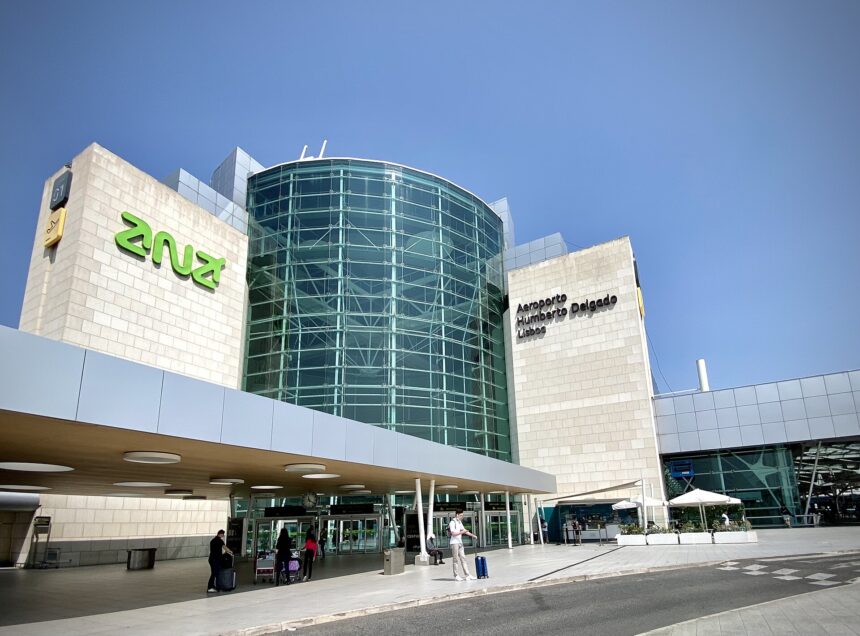
Award-winning American journalist Clarissa Ward criticised the EU’s new EES system after what she described as ‘chaos’ at Lisbon Airport (LIS) in Portugal. She described her experience in a social media posted earlier this week.

‘Chaos’ at Lisbon Airport
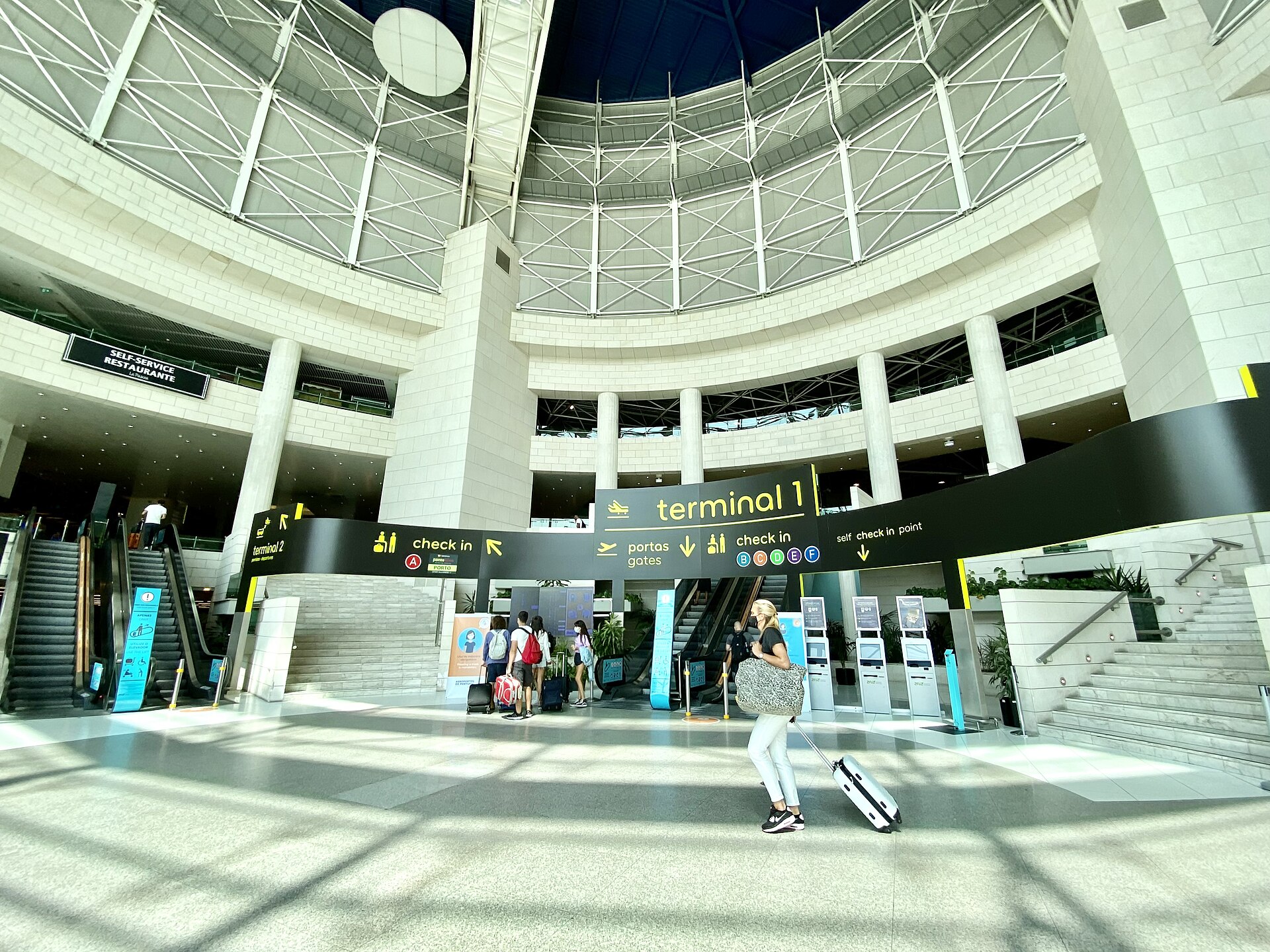
Clarissa Ward, chief correspondent editor at American news outlet CNN, reported via her social media that she witnessed ‘chaos’ while travelling through Lisbon Airport (LIS) on May 26, 2026. The video and its accompanying caption, which was posted to her verified Instagram account, claimed that she was stuck in the longest queue she has ever been, which caused her to missed her flight. She also asserted that passengers travelling with TAP Air Portugal – Portugal’s main airline – were prioritised boarding if they were very close to missing their flight, while others were simple expected to wait.
In the video’s caption, Ward blamed the delays and long wait times on the Entry/Exit System (EES) recently introduced by the EU, calling it a ‘disaster’ and proclaiming that she waited over 2 hours in line for her biometric data to be collected. She highlighted that she witnessed a number of young children and elderly passengers also forced to queue for several hours, missing their connections and flights, emphasising that the initial rolling out complex technological systems has a very human impact.
Strain on the System
EES is an automated IT system for registering non-EU nationals travelling for a short stay – up to 90 days – each time they cross the external borders of participating countries. Introduced by the EU, the system was designed to replace passport stamps, and uses a series biometric data like fingerprints and facial images to identify individuals. The introduction of the system was significantly delayed, finally becoming fully operational on 10 April 2026.
This is not the first time that the EES system, which was implemented in stages from October 2025, has been criticised for causing significant hindrances for those travelling through Portugal. In December 2025, contingency measures were introduced by the government at LIS to reduce pressure on arrivals and prevent delays. Again, in April 2026, biometric data collection was temporarily suspended at departures in Lisbon, Porto, and Faro airports to address the delays caused by the new European border control system.
Both experts and airport authorities have criticised the EES for its technological complexity, and emphasise that it is unable to operate in a way that is compatible with peak air traffic periods. EES’s ultimate goal is to streamline border control by replacing passport stamps with a digital record, but as it stands, the system continues to baulk at reaching full operational capability, causing delays for millions of passengers.
Have you experienced issues with EES while travelling? Let us know in the comments.