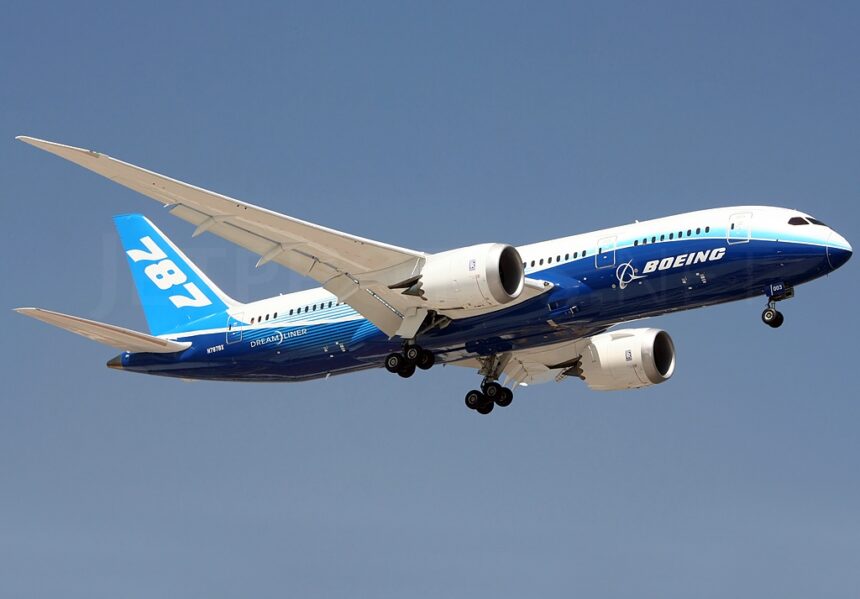
It has been reported that the American aircraft manufacturer Boeing emphasised a focus on production and improvement rather than securing new orders at the Farnborough Airshow 2026. This comes as part of Boeing’s strategy to repair its reputation and improve its performance against its key competitor, Airbus.
Serious Backlog
On July 20, as the Farnborough Airshow commenced, a spokesperson for Boeing asserted the company’s plan to shift its focus from negotiating and contracting new orders to increasing and enhancing aircraft production. After securing the first major order for U.S. aircraft from China in years this May, Boeing is set to shift its focus to ensuring production quality. Boeing Commercial Airplanes CEO Stephanie Pope told reporters that the company had accumulated a considerable backlog of orders that needed to be prioritised, commenting that:
“Backlog is incredibly strong. Demand is not our issue. If we announce some orders along the way, we’ll celebrate with our customers based on if they want to do that.”
Pope also suggested that increasing, accelerating, and improving production were essential aspects of the company’s financial and reputational recovery. Currently, Boeing is attempting to bounce back from a string of controversies and incidents that brought the company’s practices under scrutiny and negatively impacted its status in the aviation industry.
Moving Forwards
While Boeing currently remains in $26 billion of net debt, the company is propelling a new round of production increases for its 737 MAX model following a regulator approval in May. The production rate is set to rise to 47 Boeing 737 MAX jets per month. Despite the controversy surrounding the Boeing 737 MAX, the model remains a bestseller, so the increase in production rate is aimed at reducing backlog.
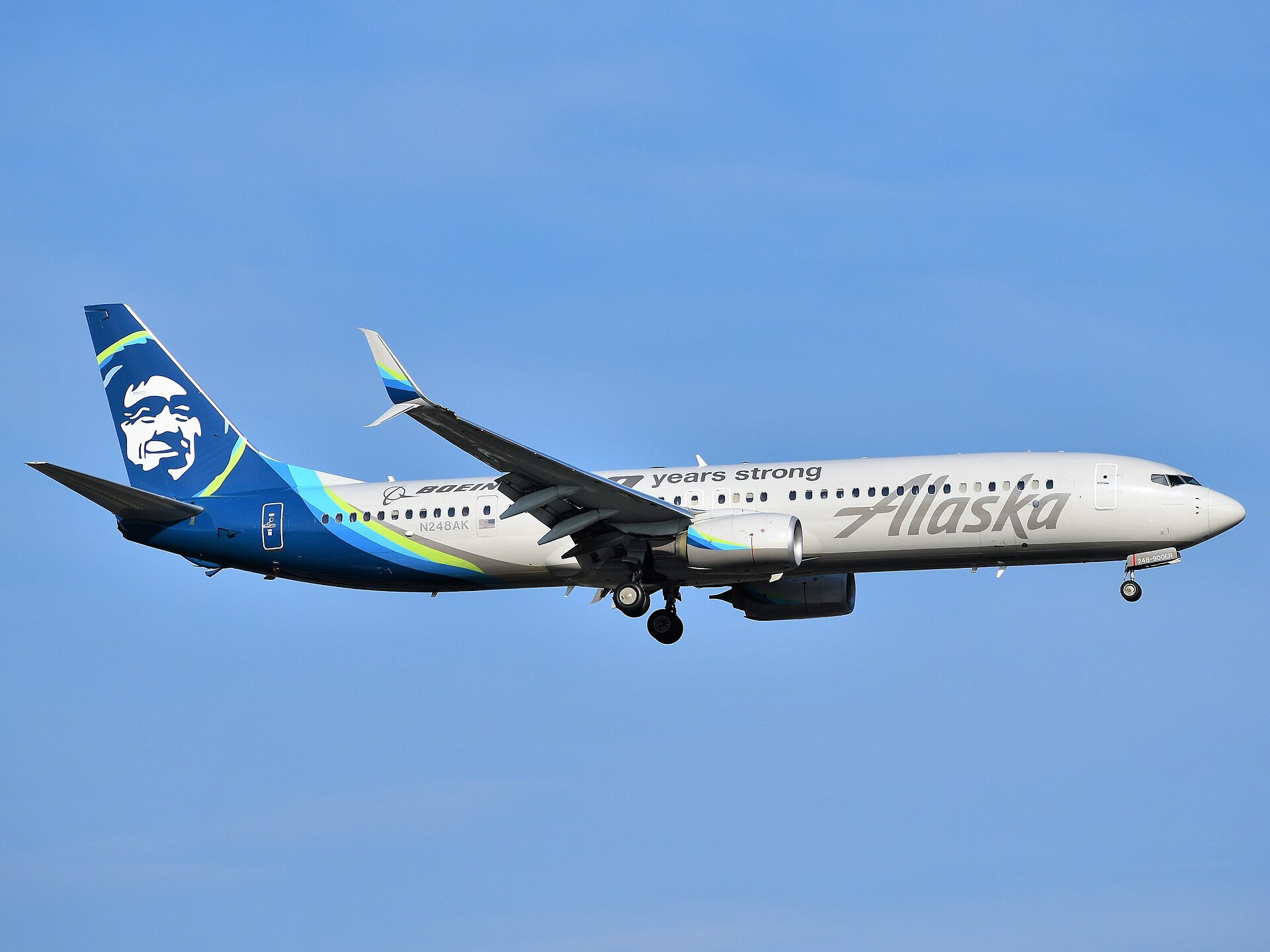
This comes after the American Federal Aviation Administration (FAA) imposed a production cap of unprecedented proportions on Boeing in 2024 following a mid-air emergency. On Jan. 5, 2024, a Boeing 737-9 operated by Alaska Airlines experienced an in-flight separation of the left mid-exit door plug after take-off from Portland International Airport (PDX), resulting in rapid depressurisation and an emergency landing. The incident revealed widespread safety and quality oversights during production and found Boeing’s manufacturing processes inadequate. With the memory of the Boeing 737 MAX crisis still looming, the incident and subsequent production cap only exacerbated the tarnishing of the company’s reputation.
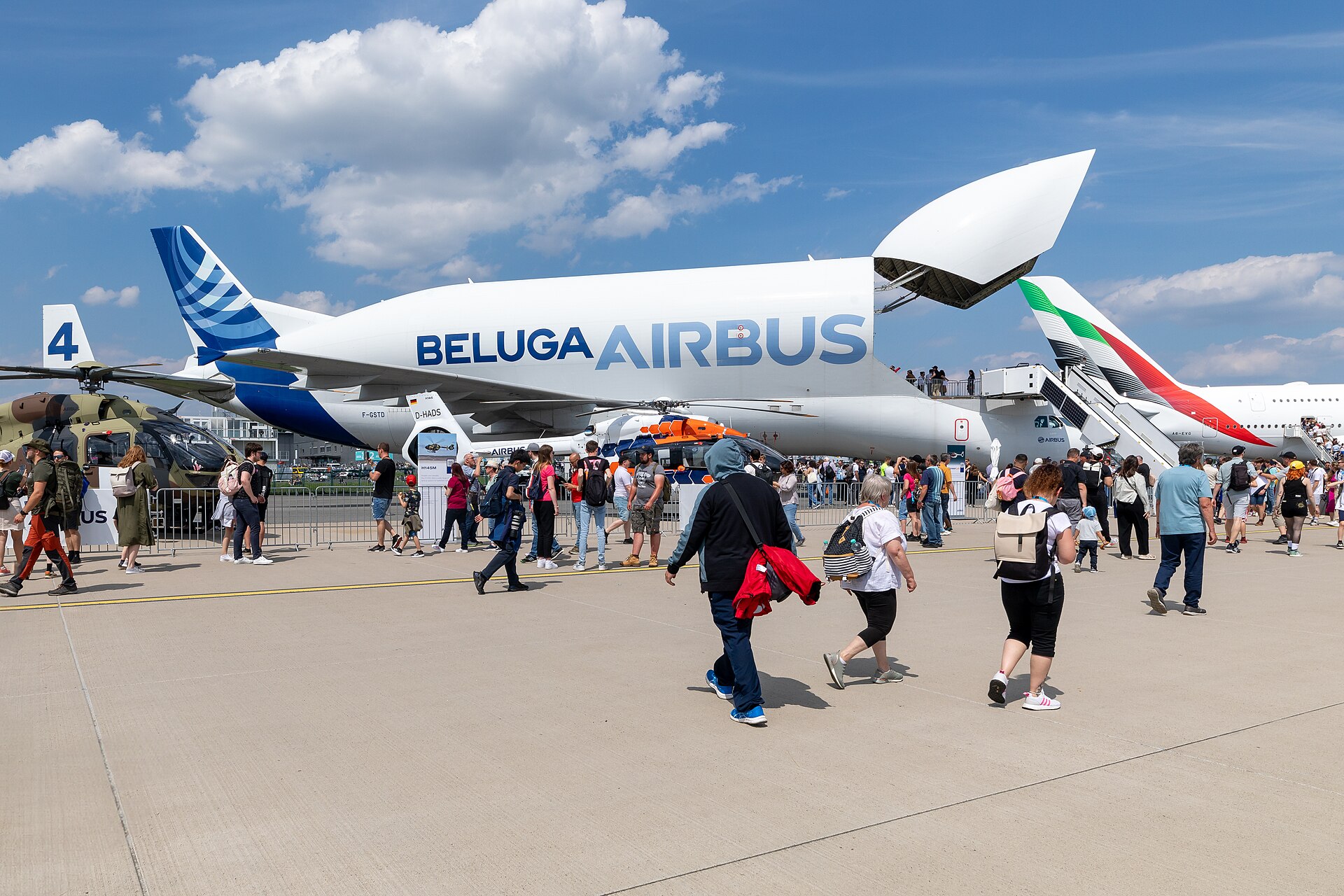
As Airbus’ A320 family continues to outsell Boeing’s 737 MAX model in the lucrative narrowbody market, the company must focus on keeping level with its European rival. Otherwise, Boeing could struggle to position itself as a reputable competitor to Airbus ahead of both companies’ development of new narrowbody aircraft models, neither of which is expected before 2030.
What are your opinions on Boeing? Let us know in the comments.