


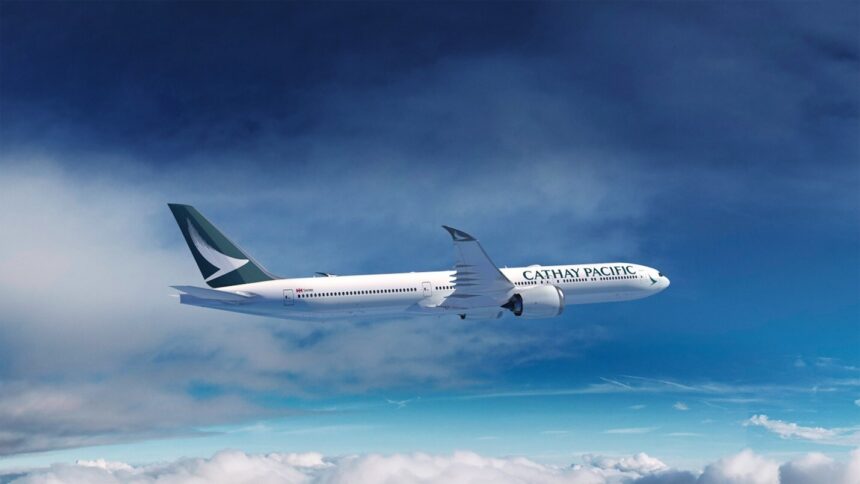
Hong Kong’s flagship carrier Cathay Pacific has announced a sharp increase in fuel surcharges after jet fuel prices surged amid escalating conflict in the Middle East. The airline said aviation fuel costs have risen significantly in recent weeks, forcing carriers to adjust pricing to manage operating expenses.
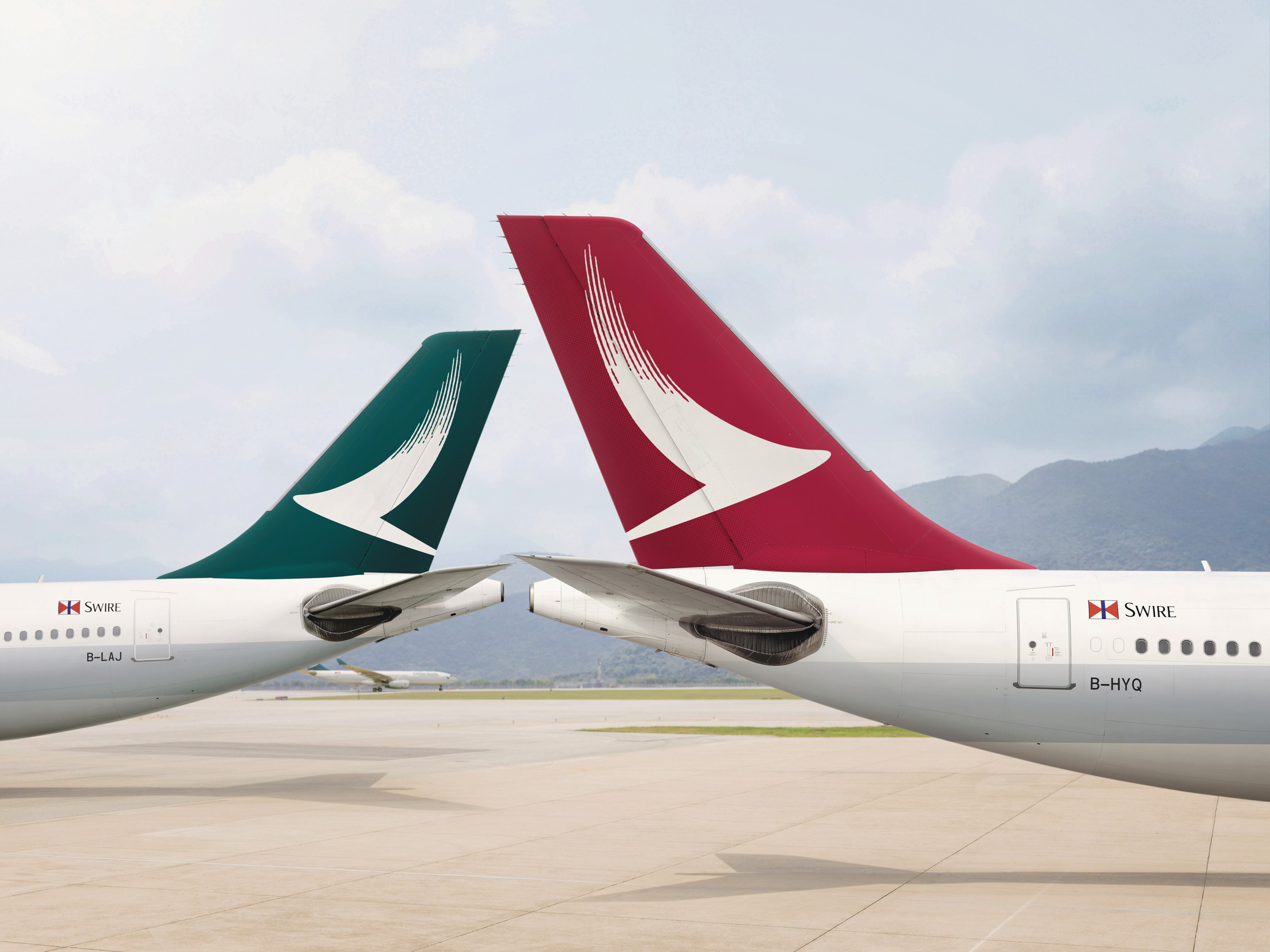
New surcharge levels for flights
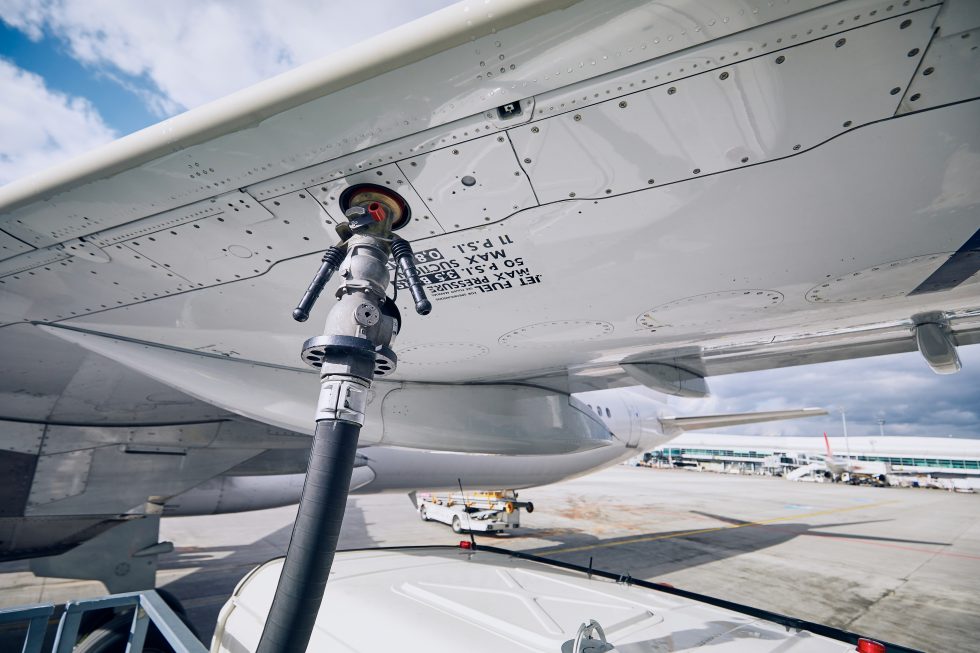
Fuel is one of the largest costs for airlines, and sudden increases in oil prices can quickly affect ticket prices. Global oil markets have become volatile due to the conflict, with aviation fuel costs rising rapidly and putting pressure on airlines’ financial margins.
Cathay Pacific’s revised surcharge levels will apply to tickets issued from mid-March and will vary depending on the distance of the flight.
- Short-haul flights: surcharge rising from HK$142 to HK$290 (£13.58 to £27.73)
- Medium-haul flights: surcharge rising from HK$264 to HK$541 (£25.24 to £51.73)
- Long-haul flights: surcharge rising from HK$569 to HK$1,164 (£54.41 to £111.31)
For long-distance routes, such as flights between Hong Kong and Europe or North America, the additional fee has more than doubled, adding roughly £112 onto the cost of some tickets.
The airline reviews these charges regularly, adjusting them according to changes in jet fuel prices. Cathay Pacific said the latest increase reflects the sharp rise in fuel costs seen earlier this month, following the crisis in Iran and the blocking of the Strait of Hormuz.
Not the only airline raising prices
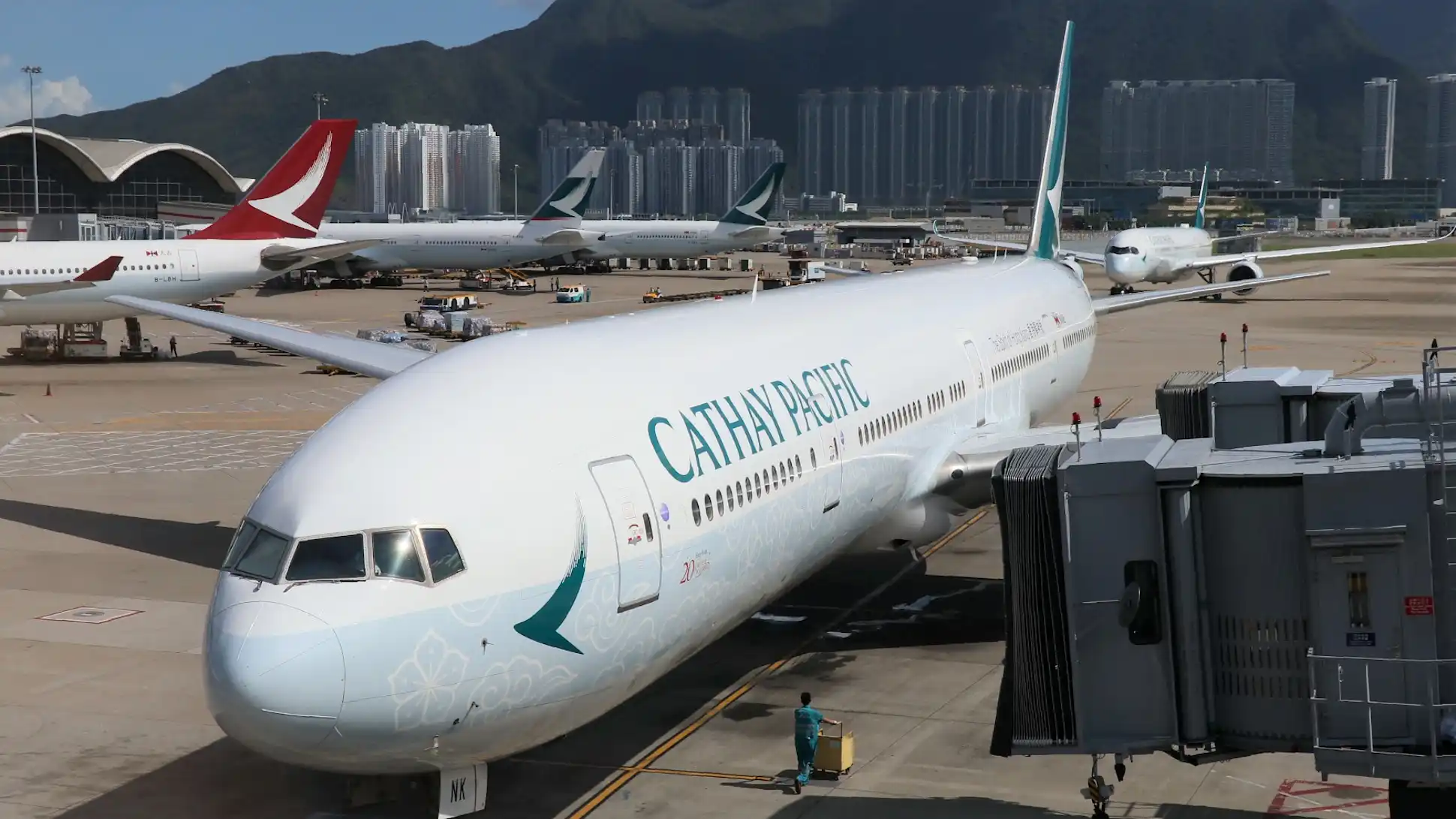
Cathay Pacific is not alone in responding to the higher fuel costs. Several airlines around the world have introduced fare increases or fuel surcharges recently as the conflict disrupts energy supplies and increases operating costs.
Carriers such as Qantas, Air New Zealand and Scandinavian Airlines have all warned of higher ticket prices or already implemented price adjustments as fuel prices climb.
In some cases, airlines are also adjusting flight schedules or routes to cope with the rising fuel expenses and airspace disruptions linked to the conflict.
What does this mean for travellers?
The rise in surcharges highlights how global political events can quickly affect the cost of travel. If fuel prices remain elevated, industry analysts suggest airlines may continue adjusting ticket prices in the coming months. While demand for international travel remains strong, higher fuel prices could push ticket costs up for many passengers in the months ahead.
Have you been affected by the rise in flight costs? Let us know in the comments below.





This is really interesting, You’re a very skilled blogger. I’ve joined your feed and look forward to seeking more of your magnificent post. Also, I’ve shared your site in my social networks!