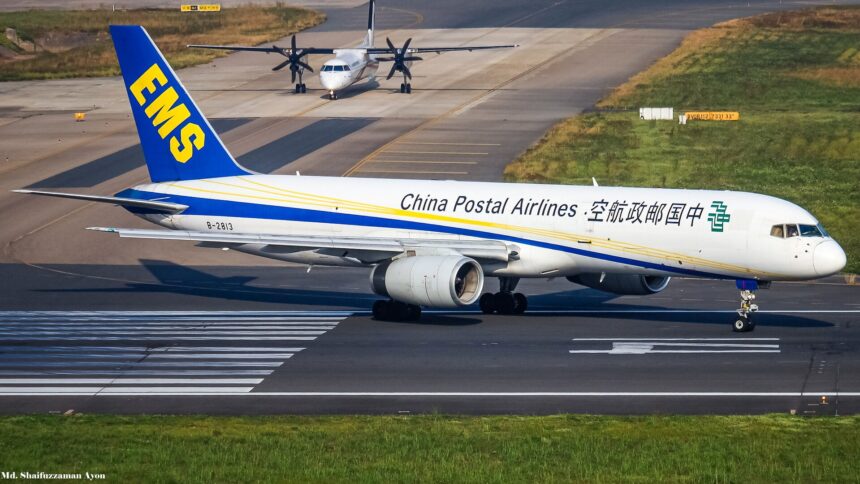
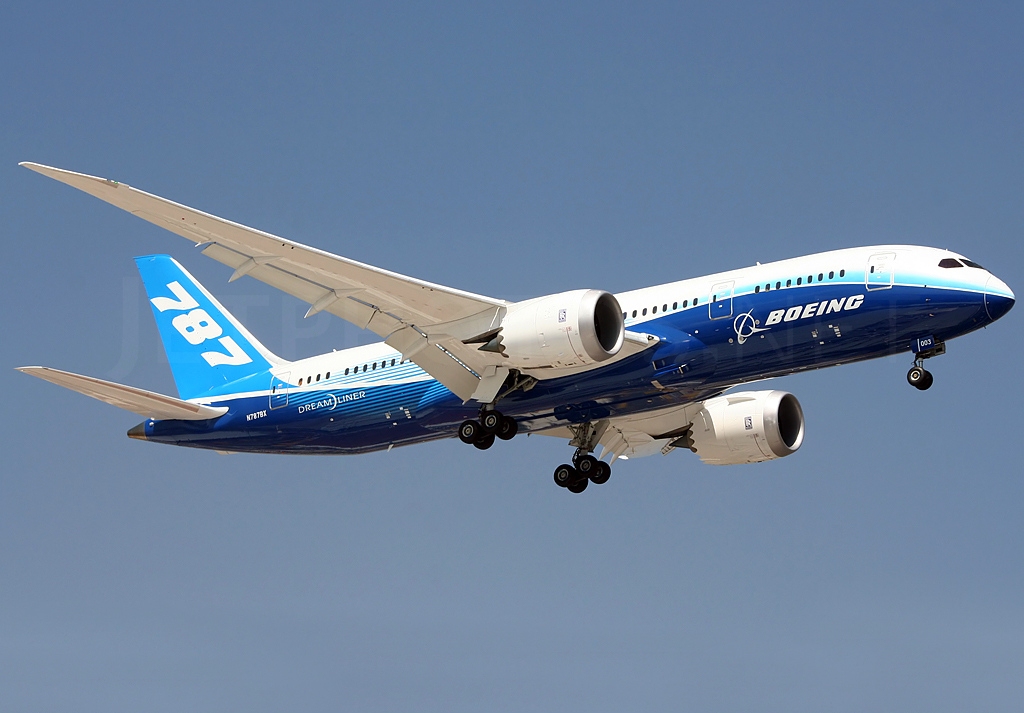
Beijing has officially confirmed an order for 200 Boeing aircraft based on China’s fast-growing commercial needs. This is the first major order for U.S. aircraft from China in years, marking a renewal of aviation connection after years of trade strain between the two superpowers.
An Agreeable Arrangement
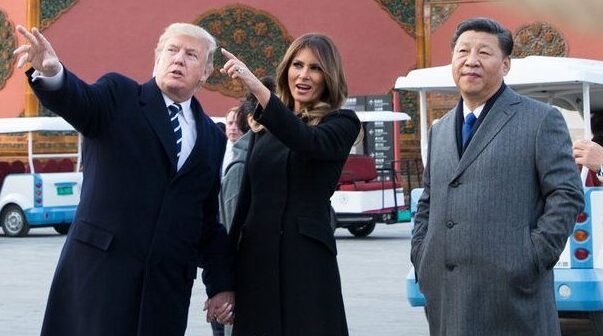
Official confirmation of an agreement for China to purchase 200 Boeing aircraft, along with spare parts and engines, has been released by China this week. This comes a week after President Trump announced plans for the deal following his return from Beijing, where he stayed for three days.
While in Beijing, Trump engaged in high-stakes talks with Chinese President Xi Jinping at a two-day core summit that aimed to revive diplomatic and economic relations between the two countries. In the days leading up to China’s announcement, the CEO of Boeing, Kelly Ortberg, also travelled to Beijing as part of a U.S. business delegation that participated in meetings connected to broader U.S-China economic talks, meeting with a representative of the Civil Aviation Administration of China (CAAC), the civil aviation regulator of China.
The announcement was made by China’s Commerce Ministry, which went on to express the importance of the aviation sector for economic cooperation between the U.S. and China. The agreement marks a highly significant return to large-scale aviation trade between China and the U.S., two major dominant players in the global aviation sector.
Boeing Redemption
Recently, sales for Boeing have steadily decelerated, with the rising competition from Airbus as well as the Boeing 737 MAX crisis having damaged the manufacturer’s reputation. The crisis was caused by the implementation of the Manoeuvring Characteristics Augmentation System (MCAS), an automatic stall-prevention system to force the nose of the plane downward if at risk of stalling, which could be triggered by erroneous sensor data and was particularly dangerous as it could not be overridden by pilots. In multiple instances, this automatic response caused major crash incidents, including one in 2018 in Indonesia that killed all 189 passengers and crew members aboard the aircraft. Investigations revealed that Boeing had compromised engineering rigour in favour of prioritising short-term profits.
According to Reuters, the company has also experienced production backlogs across its global order book, which has extended delivery timelines for new aircraft as it attempts to recover. The assistant director at the Washington State Department of Commerce – the state where Boeing manufactures the majority of its commercial aircraft products – claimed that Boeing was facing high demand, which had resulted in wait lists.
This deal could be a significant step for Boeing in recovering reduced sales, despite not reaching analysts’ expectations of an order of around 500 aircraft. An official at the Washington State Department of Commerce even claimed that Boeing predicted further orders from China-based airlines beyond the current agreed arrangement as a result of global manufacturing and supply constraints combined with the demand of China’s fast-growing commercial needs from a rapidly developing aviation industry. This could further aid a reputation redemption for Boeing as well as increase profits.
Do you think this agreement will improve economic and diplomatic relations between China and the U.S.? Will it aid Boeing with the redemption it craves to drive sales? Let us know in the comments.